I’ve been digging in the dirt since I was a kid, helping my grandfather tend his vegetable garden in upstate New York. There’s nothing quite like the quiet satisfaction of watching something grow from seed to harvest. This site is where I share the lessons I’ve learned—from the best times to plant perennials to how to coax life out of stubborn seeds. My goal is to make gardening feel less like a chore and more like a creative, rewarding hobby.
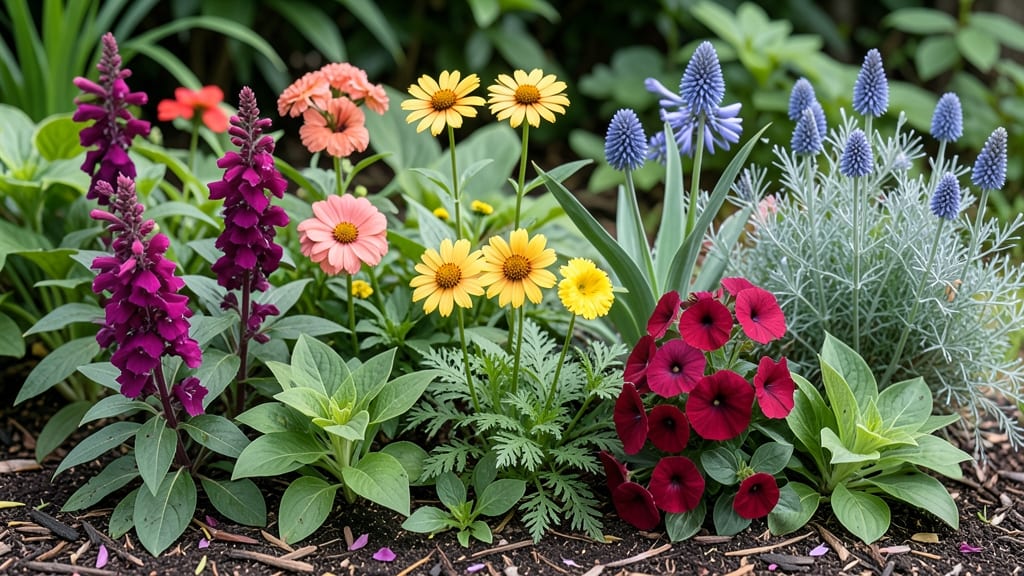
💥 Quick Answer Perennial flowers that bloom all year need frost-free climates like Zones 9-11, with tropical picks like hibiscus and bougainvillea delivering bold color, while hardy lavender and salvia stretch their…
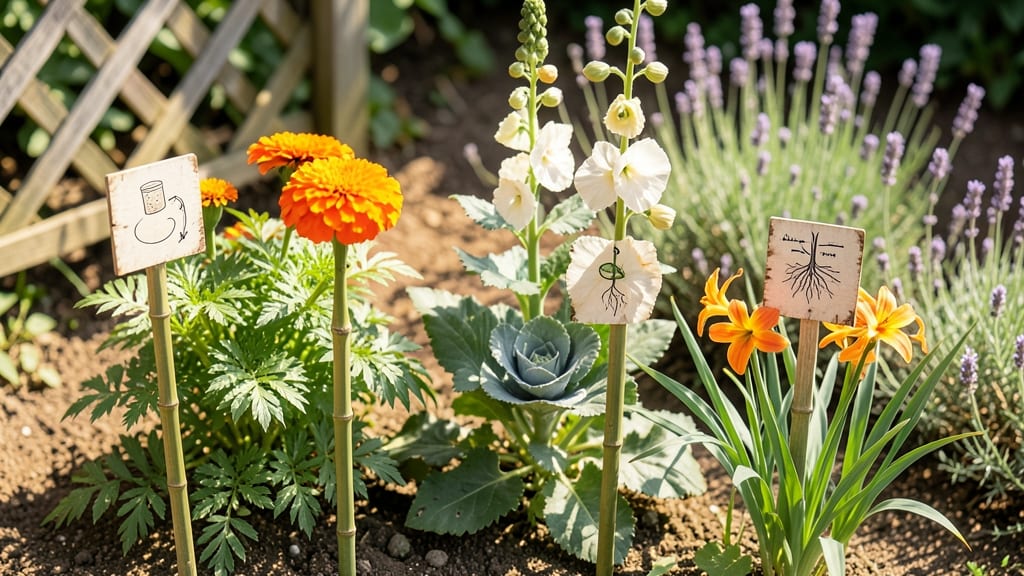
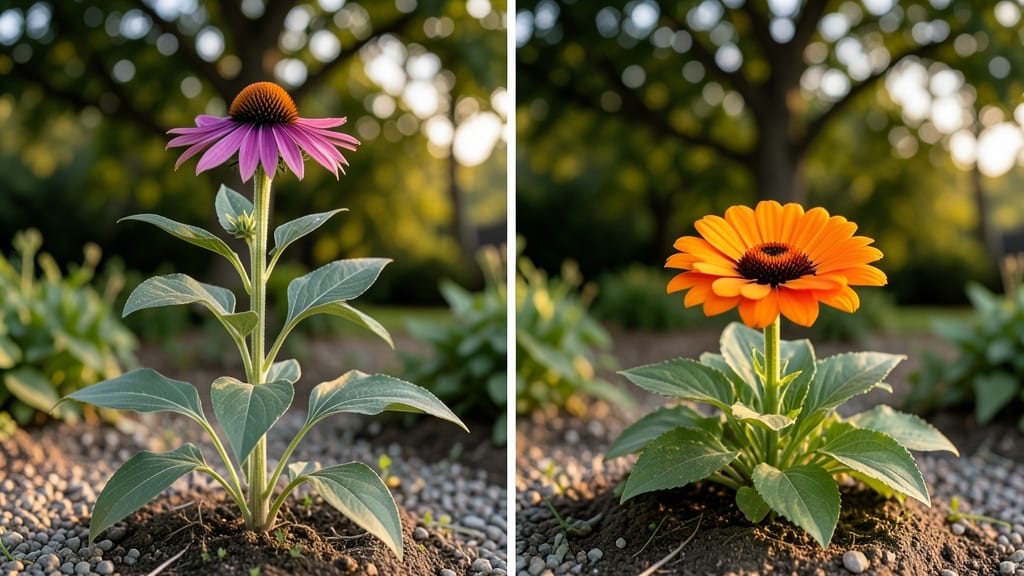
💥 Quick Answer The difference between annual, biennial, and perennial plants is defined by their growth cycles: annuals grow, flower, and die in one season; biennials establish roots the first year and bloom the second…
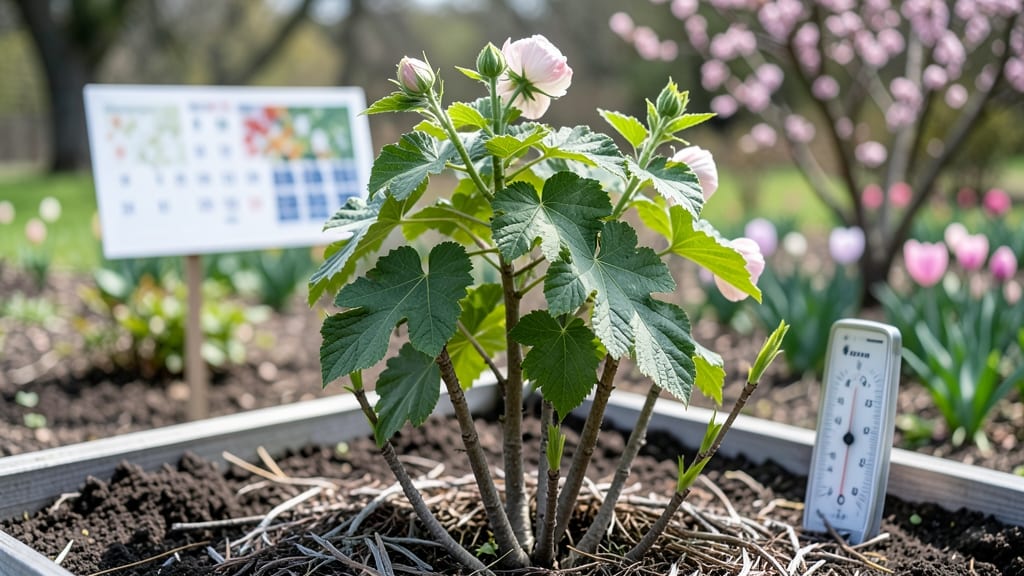
💥 Quick Answer Perennial hibiscus come back in late spring to early summer, usually between late April and June, with warmer climates seeing new growth as early as March and colder areas waiting until June or July. Your…
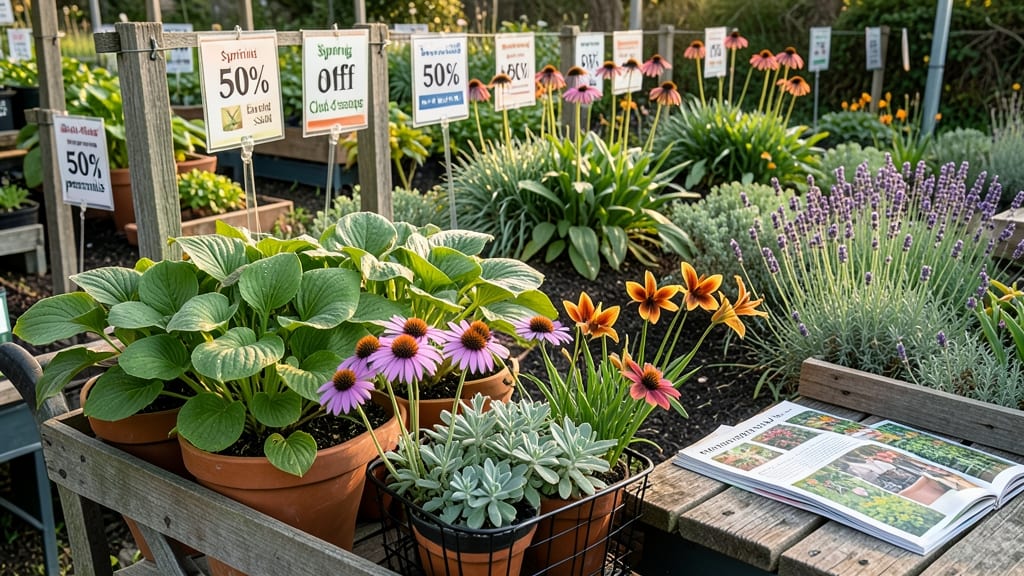
💥 Quick Answer Perennial plants go on sale primarily in early spring (March–April) and late summer (August–September), with timing shifting based on your region. Northern gardeners often see discounts start as early as…
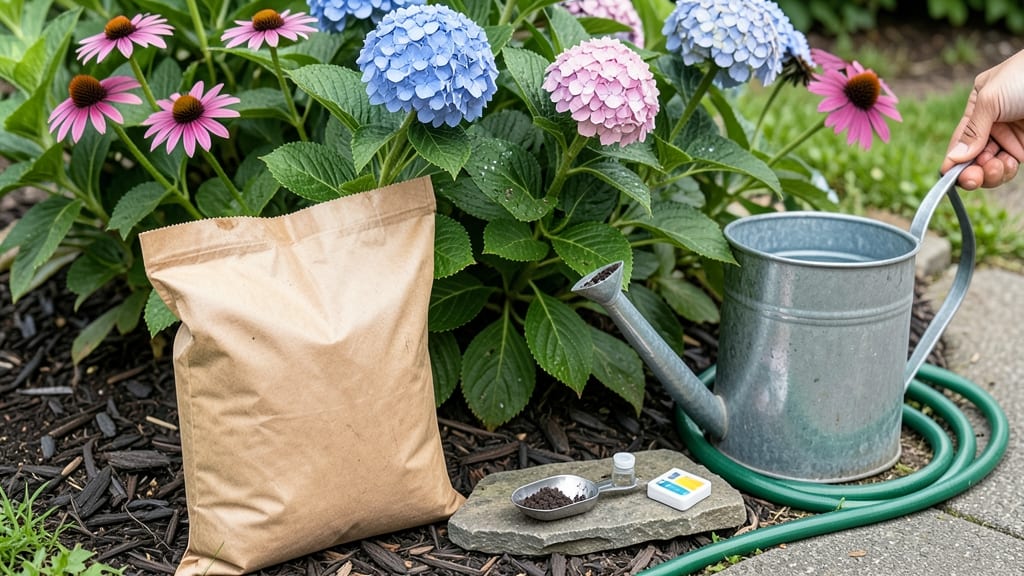
💥 Quick Answer To fertilize perennials and shrubs, time it for early spring when new growth appears and again in fall to fortify winter resilience. Skip fertilizing during extreme heat or dormancy to avoid stressing…
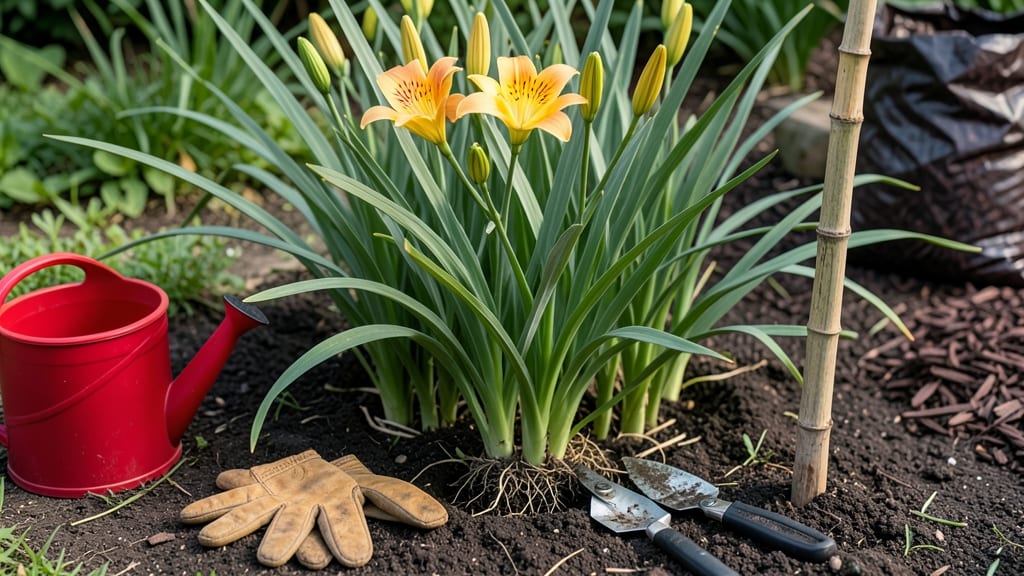
💥 Quick Answer To transplant perennials successfully, choose early spring or early fall when temperatures are mild, soil stays moist, and plants can focus energy on root regrowth rather than flowering or fruiting. This…
💥 Quick Answer Perennials are the plants that come back every year, while annuals complete their life cycle in one growing season and die. Perennials regrow from underground structures like roots or tubers, while…
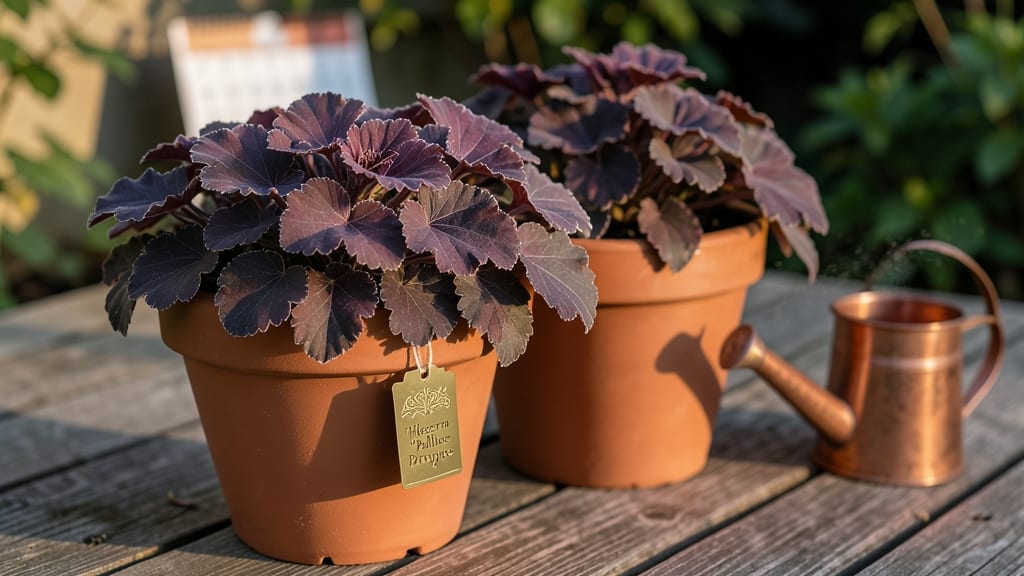
💥 Quick Answer Yes, perennials will come back in a pot when you use well-draining soil, protect them through winter, and maintain steady watering. Cold-resistant plants like lavender, sedum, and hostas adapt well to…
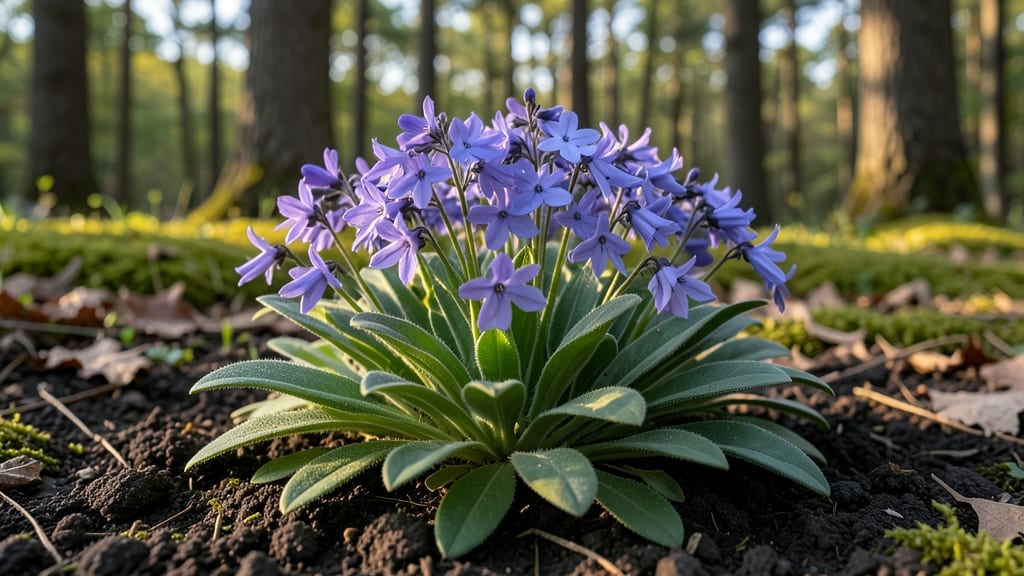
💥 Quick Answer The woodland phlox perennial survives winter through natural dieback, entering dormancy when temperatures drop, then regenerating from its deep root system once spring warmth triggers new growth. This…
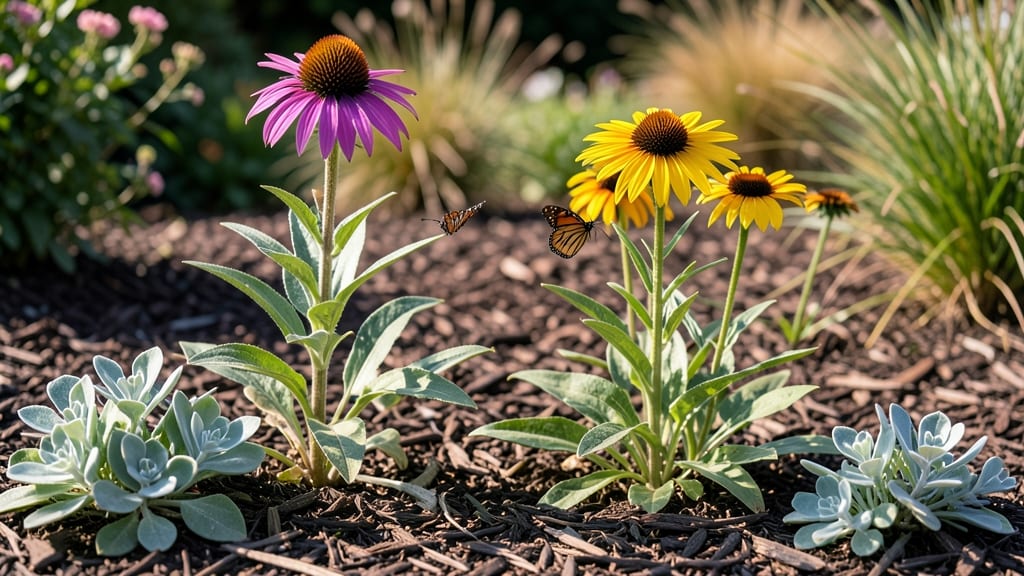
💥 Quick Answer Yellow flowering perennial plants like black-eyed Susans, daylilies, and coreopsis thrive in gardens, offering vibrant color with minimal maintenance while adapting to cold climates for seasonal blooms…