
Succulent
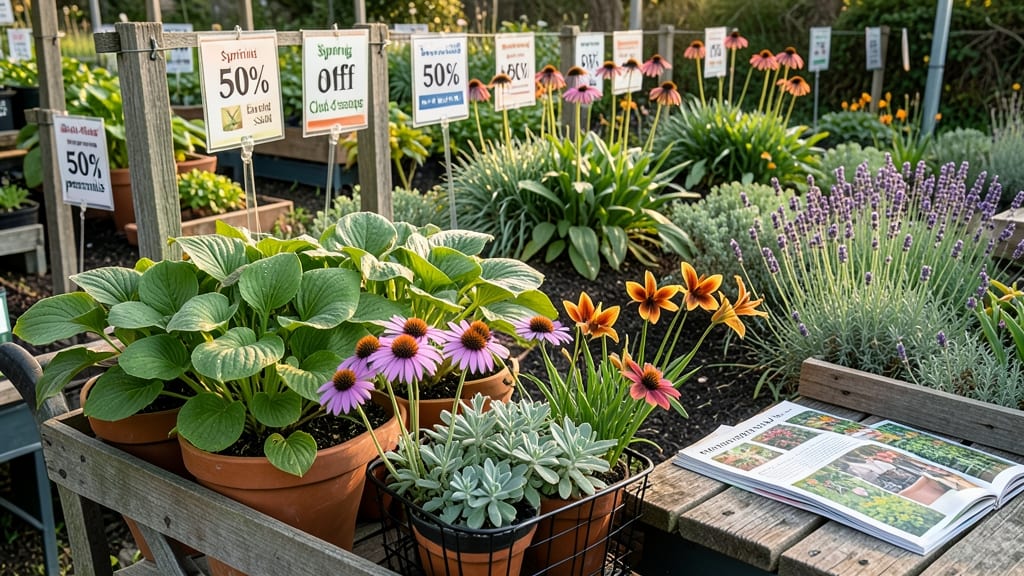
Perennial plants go on sale primarily in early spring (March–April) and late summer (August–September), with timing shifting based on your region. Northern gardeners often see discounts start as early as February, while southern areas may find deals extending into October. Early-season bloomers like tulips and peonies tend to drop in price first, followed by hardy varieties such as lavender and coneflowers.
Timing matters because nurseries restock after winter dormancy and prepare for seasonal planting cycles. 🌱 In colder climates, sales begin earlier to help gardeners establish plants before the first frost, while warmer regions can stretch discounts later.
I always check local frost dates—this helps predict when my favorite perennials will hit their lowest prices. For instance, herbaceous perennials like hostas often go on sale in early spring, while woody shrubs like butterfly bush may wait until late summer.
Pro tip: Visit nurseries in late August to find 50-70% off on established perennials, as they’re clearing inventory for winter. Always inspect roots and foliage—healthy plants will have firm stems and no signs of disease.
This is also when you’ll find the best selection of dormant perennials, which are often discounted because they’re not actively growing.
💡 In This Article
- Seasonal Perennial Sale Timing by Climate Zone
- Best Perennial Types to Buy During Discount Seasons
Seasonal perennial sale timing by climate zone
Sale timing for perennials is directly tied to your USDA hardiness zone and local frost dates. Nurseries strategically discount plants when they need to clear inventory or restock for seasonal planting windows.
In Zones 3-5 (northern climates), sales often kick off in late February to March as gardeners rush to plant before the last frost—typically around April 15-30. This early push helps nurseries move out winter stock, which includes dormant perennials like heuchera or sedum that can handle cold storage.
The science behind this involves plant dormancy cycles. Perennials enter dormancy in fall, and nurseries prioritize restocking in early spring when demand spikes. In Zones 6-8 (mid-Atlantic and southern states), sales extend later—often starting in March-April but lasting through September.
Here, frost dates are more flexible, allowing nurseries to hold onto inventory longer. For example, Zones 9-11 may see discounts as late as October, as gardeners plant year-round in warmer climates. The key is aligning your purchases with when nurseries rotate stock.
Regional nursery restocking cycles also play a role. Northern nurseries focus on early spring sales to help gardeners beat frost, while southern nurseries prioritize late summer discounts (August-September) to clear out heat-sensitive perennials before winter.
This is why you’ll find 50-70% off on coneflowers or black-eyed Susans in late summer—nurseries are making space for winter-hardy varieties. Always check your last frost date (available via the National Weather Service) to time your purchases.
Early bloomers like tulips or daffodils hit discounts first because they’re planted in fall and need to establish roots before spring growth. In contrast, hardy perennials like lavender or Russian sage often go on sale later because they’re drought-tolerant and can be planted year-round in warmer zones.
The pricing strategy reflects nurseries’ need to move inventory tied to specific planting seasons. For instance, peony sales peak in March-April because they’re planted in fall, while salvia may wait until late summer when nurseries clear out heat-sensitive stock.
What most gardeners don’t realize is how container size affects sale timing. Larger gallon pots (3+ gallons) are often discounted in late summer because they’re harder to sell in winter. Smaller quart pots (1-2 gallons) may stay on shelves longer.
This is why I always scout nurseries in late August for 5-gallon perennials like hydrangeas or boxwood shrubs—they’re at their cheapest because nurseries are making room for winter inventory.
Pro tip: If you’re in a transition zone (Zones 7-8), split your shopping between early spring (for frost-sensitive perennials) and late summer (for hardy varieties). For example, hostas and ferns are best planted in spring, while sedum or yarrow can wait until fall.
Always ask nursery staff about their restock schedule—they’ll often hint at upcoming sales based on their inventory turnover.