
Companion Plants
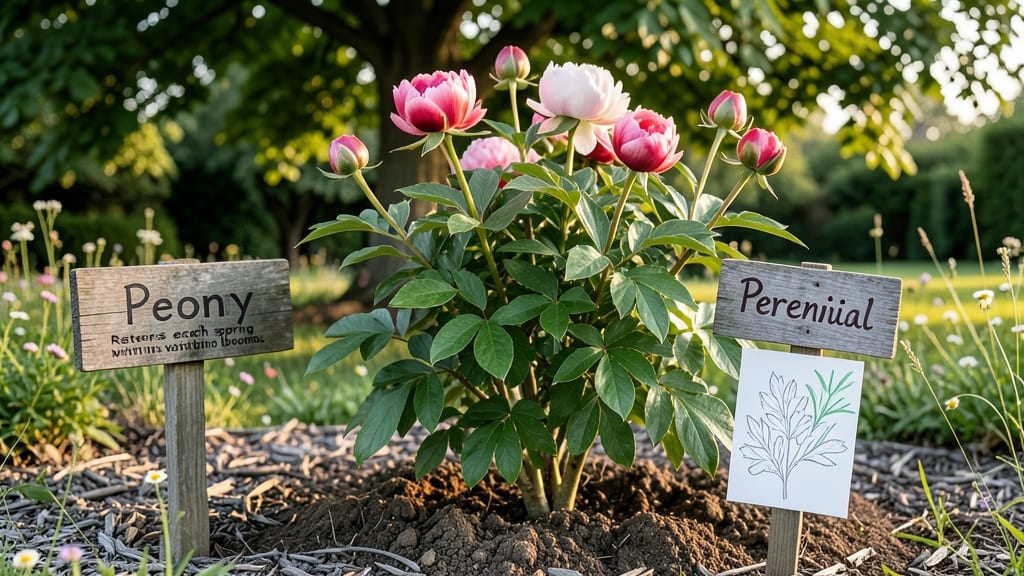
Yes, perennial plants come back each year because their roots or underground stems survive winter dormancy, then regrow when conditions warm. Look for leaf buds or shoots emerging in spring as confirmation they’ll return.
Perennials thrive because they store energy in their roots during winter, allowing them to rebound when temperatures rise. 🌱 This built-in resilience means they can handle cold snaps, droughts, and even light frost—unlike annuals that complete their life cycle in one season.
The key difference lies in their root systems: some use thick rhizomes (like iris), others store nutrients in tubers (such as peonies), while others rely on crowns that sit just below the soil surface. This underground network acts like a survival bank account, ensuring they bounce back year after year.
What sets true perennials apart is their ability to enter a dormant phase when conditions turn harsh. During winter, their above-ground growth slows or dies back completely, but the roots remain active—just at a much slower metabolic rate.
Once spring arrives, those stored nutrients fuel new shoot growth, often within weeks of the last frost. Even in colder climates, perennials like coneflowers and black-eyed Susans can survive because their root systems are hardy enough to withstand sub-freezing temperatures.
💡 In This Article
- How Perennial Roots Survive Winter Dormancy
- Signs Your Perennial Plants Will Return Next Year
How perennial roots survive winter dormancy
Perennial plants rely on specialized underground structures—rhizomes, tubers, or crowns—to store nutrients and energy during winter. These structures contain specialized cells that can remain metabolically active at temperatures as low as 32°F, allowing them to survive freezing conditions.
For example, iris plants use thick, horizontal rhizomes that store starches, while peonies rely on woody tubers packed with energy reserves. The key is their ability to slow down cellular processes without dying, a state called "endodormancy," triggered by shorter daylight hours and cooler temperatures.
Moisture plays a critical role in this survival mechanism. Even in dry climates, perennials like lavender can endure because their roots develop deep, waxy coatings that reduce water loss. The roots also produce antifreeze proteins—similar to those in cold-hardy fish—that prevent ice crystals from forming within cells.
When spring arrives, rising temperatures and increased daylight trigger the release of hormones like gibberellins, which signal the roots to resume growth. This process often begins as early as 4-6 weeks before the last frost, when soil temperatures reach 40-50°F.
Not all perennials thrive equally in harsh climates due to genetic differences in their root systems. For instance, hardy perennials like Russian sage have deep, fibrous roots that can penetrate 3-5 feet into the soil, accessing moisture and nutrients even in drought conditions.
In contrast, tender perennials like cannas store energy in bulb-like structures but require protection from freezing temperatures, as their cells lack the same antifreeze proteins. This is why some perennials struggle in Zone 5 climates while others flourish in Zone 3.
Soil composition also influences survival. Well-draining soil prevents root rot during winter thaws, while organic matter provides a steady supply of nutrients. For example, hostas—known for their lush foliage—thrive in rich, moist soil because their fibrous roots can absorb water efficiently.
In poor soil, however, their growth may be stunted, leading to weaker regrowth in spring. Mulching with 3-4 inches of organic material (like straw or leaves) further insulates roots, maintaining a stable temperature and reducing stress.
What most gardeners don’t realize is that even "dead" perennials can sometimes surprise you. Plants like bleeding hearts or lungwort may appear completely browned by winter, but their roots remain alive beneath the surface.
To test for viability, gently scratch the soil around the base in early spring—if you see green tissue or buds, the plant is still alive and will regrow. This resilience is why perennials are the backbone of low-maintenance gardens. 🌿