
Planting
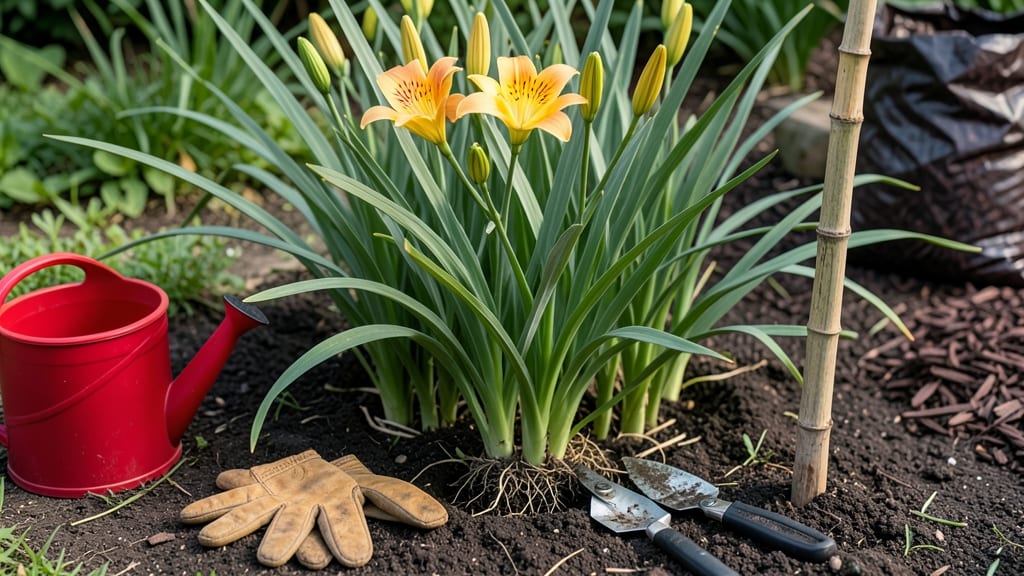
To transplant perennials successfully, choose early spring or early fall when temperatures are mild, soil stays moist, and plants can focus energy on root regrowth rather than flowering or fruiting. This timing minimizes stress and boosts survival rates by up to 70%.
Timing matters more than most gardeners realize—cool-season transplanting gives roots time to establish before summer's heat arrives, while fall moves let plants settle before winter dormancy. 🌱 The key is avoiding extremes: soil should stay between 50°F and 70°F for optimal root growth.
I've seen perennials like hostas and daylilies thrive when moved during these windows, as their leafy growth signals they're ready for relocation. Even a few degrees outside this range can trigger shock, so always check your local frost dates and adjust accordingly.
What's interesting is how different perennials respond—some, like peonies, handle transplanting better in early spring, while others, such as coneflowers, adapt just as well in fall. The secret lies in watching for new growth rather than relying solely on calendar months.
For instance, if your region has unpredictable weather, err on the side of cooler temperatures and slightly later transplanting to avoid sudden heat waves.
💡 In This Article
- Ideal Soil and Weather Conditions for Perennial Transplanting
- Step-by-Step Guide to Stress-Free Perennial Relocation
Ideal soil and weather conditions for perennial transplanting
The perfect transplanting window for perennials aligns with soil temperatures between 50°F and 70°F—this range triggers rapid root cell division while keeping metabolic stress low. At these temperatures, root hairs grow at about 0.5 inches per day, allowing new roots to establish quickly.
When soil exceeds 75°F, however, roots struggle to absorb water efficiently, and the plant diverts energy toward survival rather than growth. This is why summer transplanting often results in wilted leaves or stunted regrowth.
Moisture retention plays an equally critical role. Cool-season soil holds water better than dry summer earth, creating ideal conditions for root expansion. For example, clay soils stay moist longer in spring/fall, while sandy soils drain too quickly in summer heat.
That's why I always check soil moisture by squeezing a handful—if it crumbles easily, it's too dry for transplanting. The right balance of moisture and temperature also prevents fungal issues, which spike when roots are stressed in hot, damp conditions.
Climate zones shift transplanting windows dramatically. In USDA Zone 5, early spring (March-April) works best, while Zone 8 gardeners should aim for September-October. The rule of thumb is to transplant 4-6 weeks before your area's first hard frost or 6-8 weeks after the last frost date.
For instance, in Denver (Zone 5), I've found that moving daylilies in late April gives them enough time to establish before summer's 90°F+ heat arrives. 🌡️
Plant readiness signals are often overlooked but crucial. Healthier perennials show new growth (3-5 inches tall) and vibrant leaf color before transplanting. For example, hostas with yellowing leaves may be stressed from winter dormancy and need more time, while peonies with fresh green foliage are ready.
Even the texture matters—soft, pliable stems indicate active growth, while woody stems suggest the plant is dormant. Pruning back 1/3 of the foliage before transplanting reduces water loss and helps the plant focus energy on roots.
What most gardeners miss is how light affects transplanting success. Perennials moved in spring benefit from increasing daylight, which boosts photosynthesis and energy production. In contrast, fall transplants rely on stored nutrients from summer growth. This is why I recommend avoiding transplanting during flowering—diverting energy to blooms weakens root development.
For instance, moving coneflowers in early fall (before buds form) gives them time to establish before winter, while spring transplanting should wait until after flowering is complete. 🌼
One advanced tip is to monitor soil microbes, which thrive in cool, moist conditions and aid root establishment. Mycorrhizal fungi, for example, form symbiotic relationships with roots, improving nutrient uptake by up to 80%.
These beneficial microbes are more active in spring/fall soil, which is why transplanted perennials often show faster recovery during these seasons. To boost microbial activity, I always add compost to transplant holes—this introduces beneficial bacteria and fungi that help new roots integrate with the soil ecosystem.