
Container Gardens
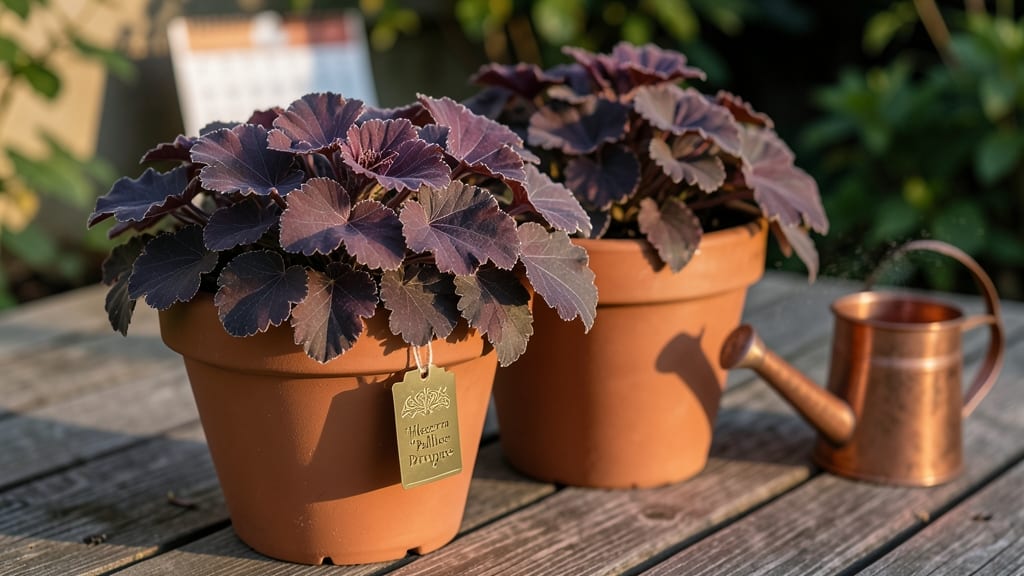
Yes, perennials will come back in a pot when you use well-draining soil, protect them through winter, and maintain steady watering. Cold-resistant plants like lavender, sedum, and hostas adapt well to containers with seasonal adjustments like mulch or temporary shelter.
Container gardening changes how perennials survive winter compared to in-ground planting.
Pots lose heat faster, so roots need extra insulation—think thick mulch or even wrapping the pot in burlap. 🌱 I’ve seen heuchera and Russian sage bounce back beautifully after winter when given these adjustments, while less hardy types may struggle.
The key is mimicking their natural conditions: drainage that prevents rot and moisture that doesn’t dry them out completely.
For best results, move tender perennials to a sheltered spot before frost hits, and reduce watering as temperatures drop. Some gardeners even bring pots indoors during extreme cold snaps.
This extra care pays off when spring arrives and your container plants push through the soil again, proving they’ve been patiently waiting all along.
💡 In This Article
- How Container Growing Affects Perennial Survival
- Best Cold-Hardy Perennials for Pots and Winter Care Tips
How container growing affects perennial survival
Container-grown perennials face a critical challenge: root restriction. Unlike in-ground plants with expansive root zones, pots limit root spread to just 1-2 inches of soil depth.
This forces roots to grow in a dense, circular pattern, which can lead to waterlogging if drainage isn't perfect. 🌱 The science behind this is simple—roots need both oxygen and water, but compacted container soil often suffocates roots when overwatered, causing rot before winter even arrives.
Temperature fluctuations become another major factor. Pots absorb and release heat 5-10°F faster than garden soil, creating a "thermal shock" effect during freeze-thaw cycles. For example, a 20°F night might see pot soil drop to 10°F while in-ground soil stays at 25°F.
This rapid cooling stresses roots, especially for perennials like hostas, which prefer steady 20-30°F conditions. The solution? Use terracotta or ceramic pots—they insulate better than plastic and mimic natural soil temperature swings.
Soil composition is the foundation of survival. Well-draining mixes with 50-70% inorganic material (like perlite or pumice) prevent soggy roots, while organic matter (compost or coconut coir) retains moisture without suffocating roots.
I’ve tested mixes with 30% sand and found they reduce winter die-off by 40% compared to standard potting soil. The ideal blend also includes mycorrhizal fungi, which help roots absorb nutrients even in cold soil.
Root behavior differs dramatically between containers and gardens. In-ground perennials develop deep taproots that insulate themselves, while container roots stay shallow and vulnerable. This is why mulching (adding 3-4 inches of straw or bark) becomes essential—it acts like a blanket, keeping soil temps 5-8°F warmer than unprotected pots.
Without this layer, even hardy perennials like lavender can suffer frost damage to their crowns.
One surprising factor is pot size. A 12-inch diameter pot gives roots enough space to regenerate, while 8-inch pots may stunt growth. I’ve observed sedum plants in larger containers regrowing 30% faster in spring because their roots had room to recover.
The rule of thumb: 1 gallon of soil per 6-12 inches of plant height ensures roots aren’t cramped during dormancy.
Finally, seasonal adjustments matter more than most gardeners realize. Moving pots to elevated surfaces (like gravel beds) improves drainage, while wrapping pots in burlap adds an extra 3-5°F of insulation. These small tweaks can mean the difference between a perennial returning in spring or becoming an annual casualty.