I’ve been digging in the dirt since I was a kid, helping my grandfather tend his vegetable garden in upstate New York. There’s nothing quite like the quiet satisfaction of watching something grow from seed to harvest. This site is where I share the lessons I’ve learned—from the best times to plant perennials to how to coax life out of stubborn seeds. My goal is to make gardening feel less like a chore and more like a creative, rewarding hobby.
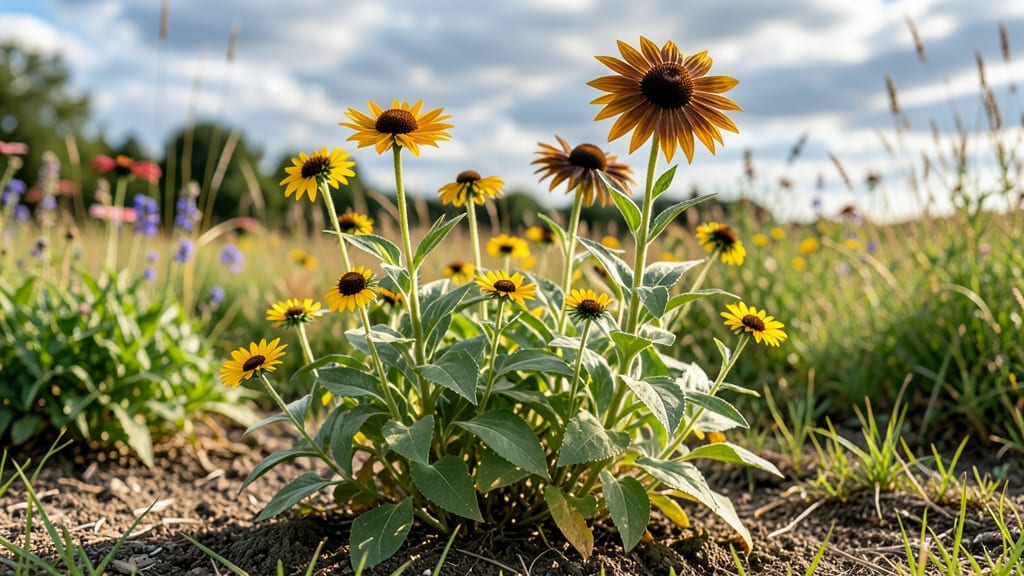
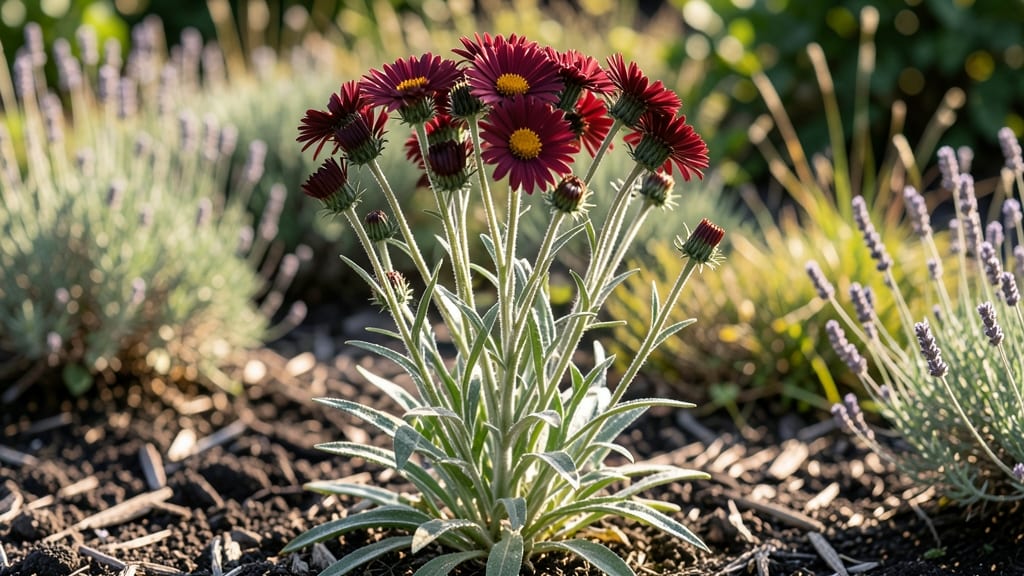
💥 Quick Answer Whether rudbeckia grows as an annual or perennial depends entirely on its root system: annual types produce shallow roots that die back after one growing season, while perennial varieties develop deep…
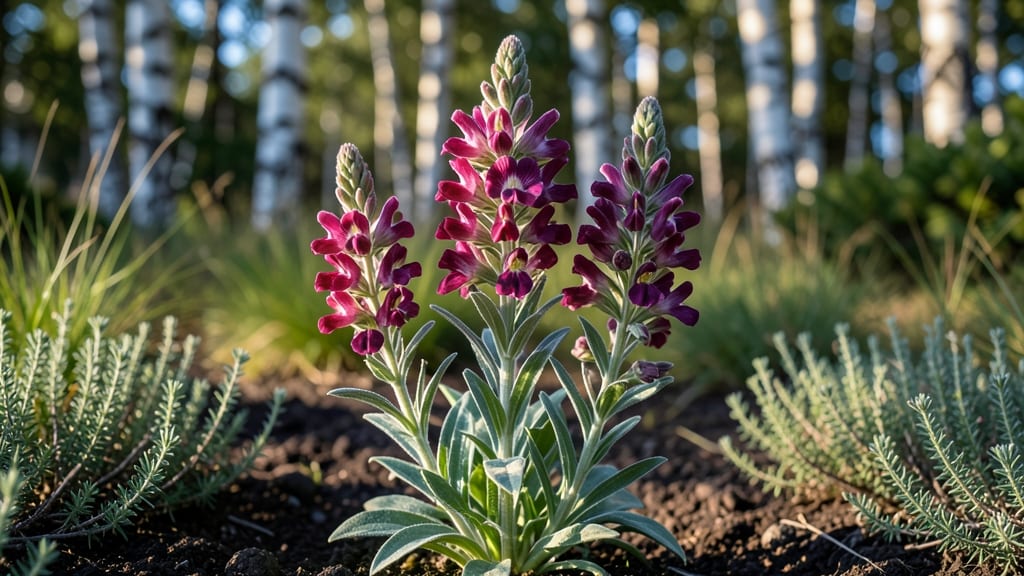
💥 Quick Answer As a snapdragon plant perennial, it thrives in USDA Zones 7-10 as a short-lived perennial, reblooming yearly with proper winter protection. In colder climates, it often self-seeds prolifically for…
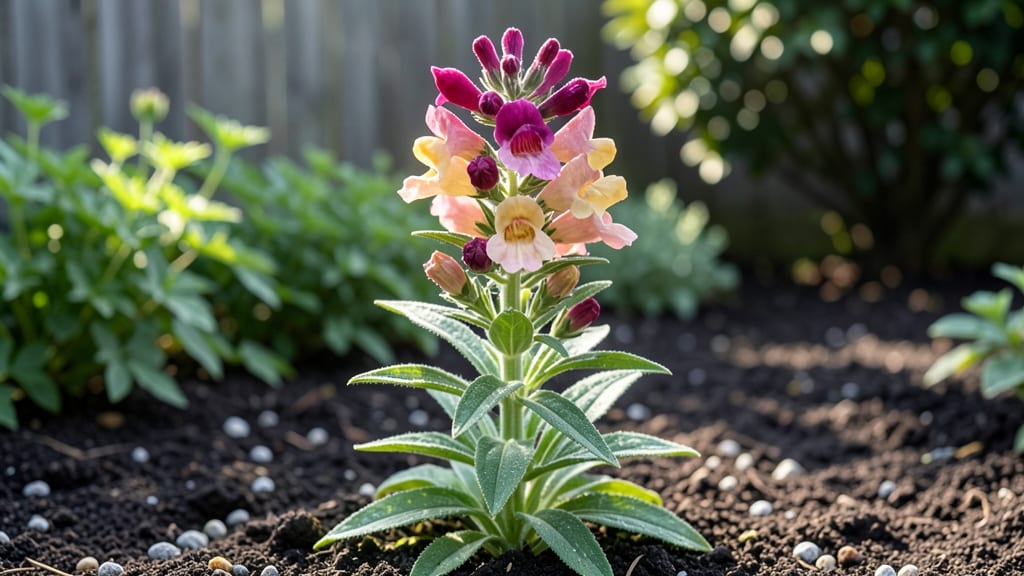
💥 Quick Answer Whether snapdragons are perennial or annual depends on your climate: they act as annuals in most regions but can grow as perennials in USDA zones 7-11, where mild winters preserve their roots or seeds for…
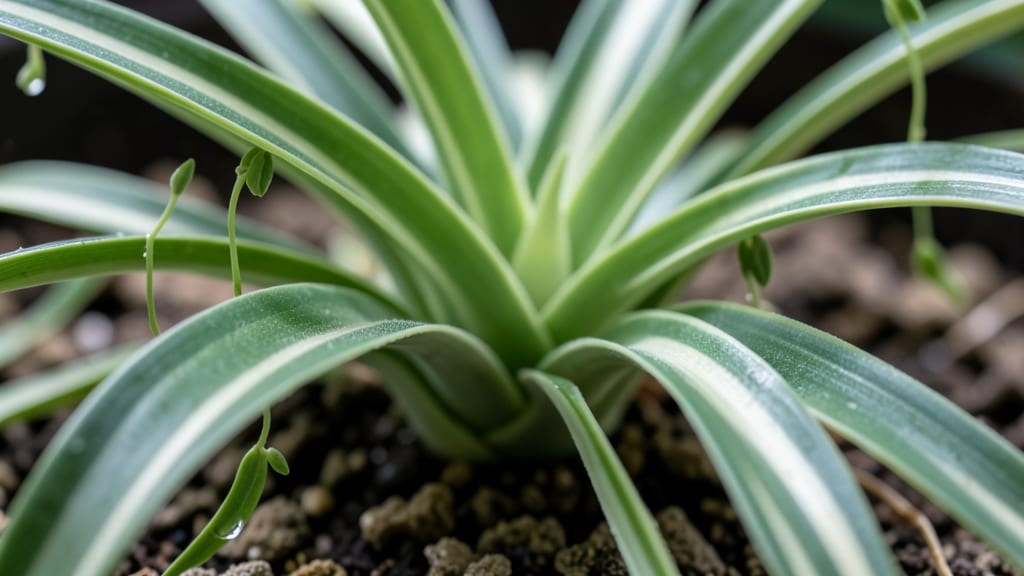
💥 Quick Answer As a perennial, spider plants die back in winter but regrow each spring through their nutrient-storing rhizomes. Hardy varieties in zones 9-11 can survive cold with proper winter care. Spider plants rely…
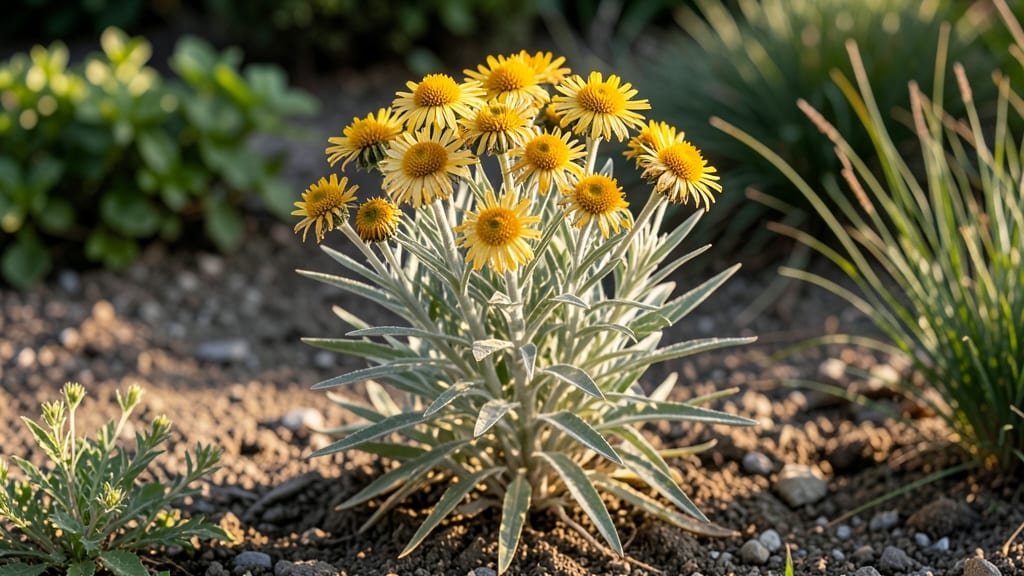
💥 Quick Answer Straw flowers are technically annuals, though they behave like perennials in mild climates by producing deep, woody roots that regrow each season. Their lifespan depends on winter temperatures and soil…
💥 Quick Answer Whether strawflowers are annuals or perennials depends on your climate—most growers treat them as annuals, but they can act as perennials in USDA Zones 8-11, where they naturally regrow each spring from…
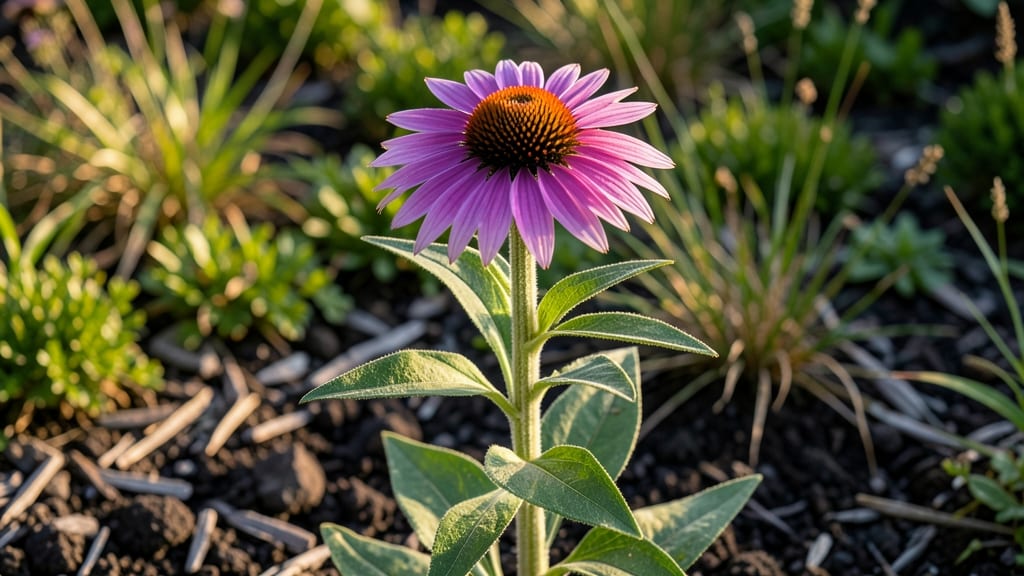
💥 Quick Answer Sun perennials for Zone 6 thrive in full sunlight and cold winters, with hardy varieties like black-eyed Susan, coneflower, and Russian sage offering vibrant blooms and low-maintenance growth. Choose…
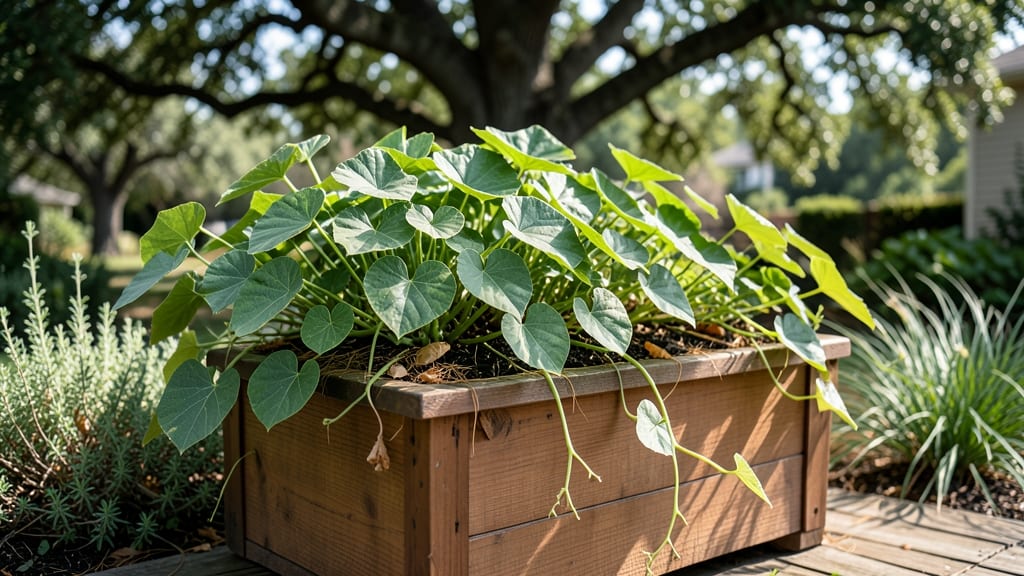
💥 Quick Answer Sweet potato vine plants behave as perennials in warm climates but are usually grown as annuals in colder regions because frost kills them back to the ground, requiring replanting each spring unless you…
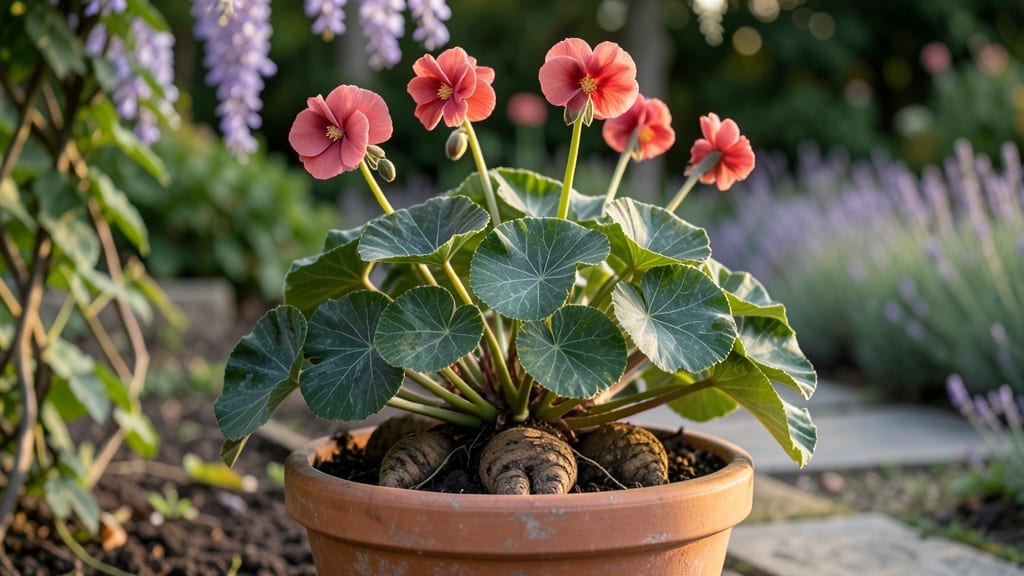
💥 Quick Answer Tuberous begonia is a perennial in warm climates but acts as an annual in cold regions, where its tuber stores energy underground until temperatures rise above 50°F (10°C) to regrow. This behavior comes…
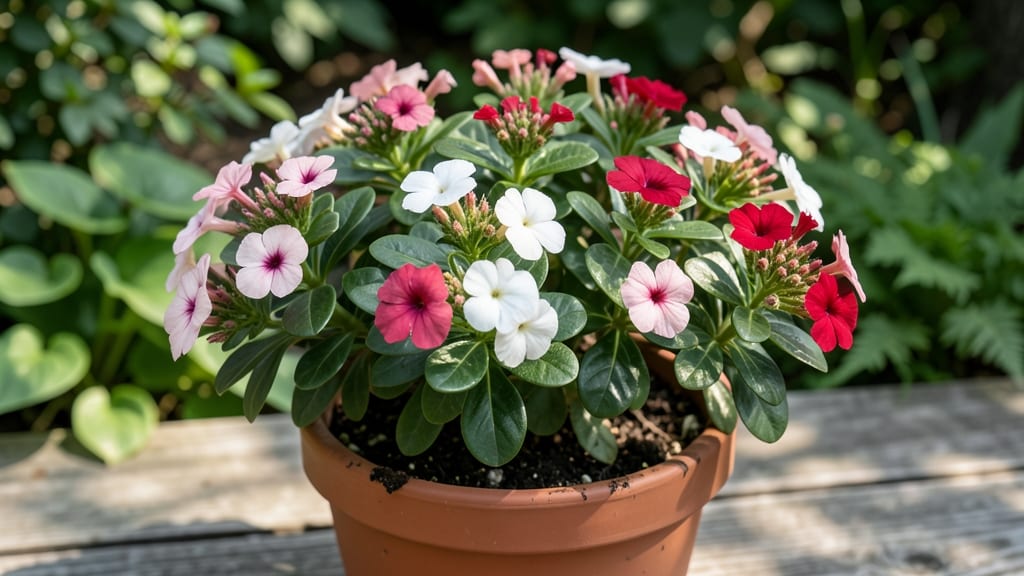
💥 Quick Answer Vinca is a perennial plant, but it’s often mistaken for an annual because it may die back in winter. This vinca annual or perennial debate comes down to its hardy root system—when planted correctly, it…