
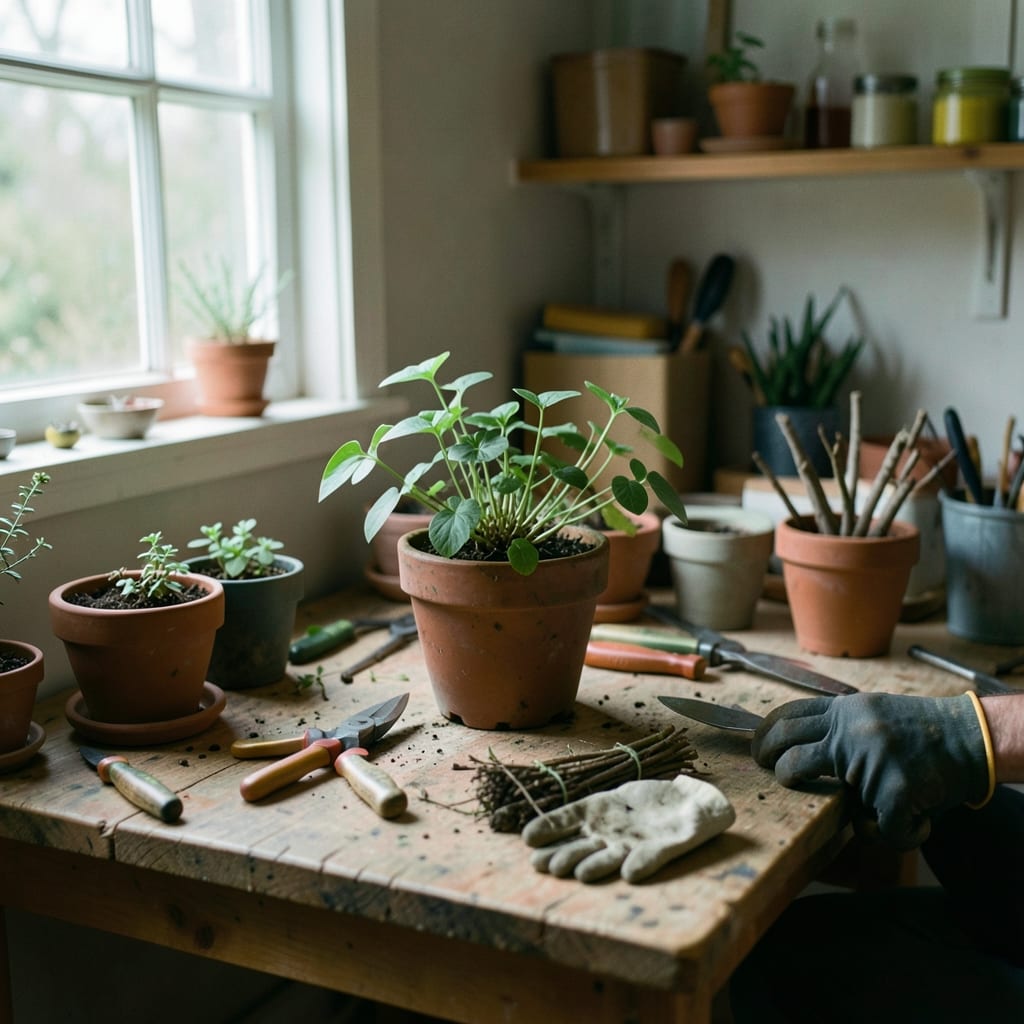
It started with one perennial that refused to thrive
It was a peony—*Paeonia lactiflora* ‘Sarah Bernhardt’—planted in early May in upstate New York, where the soil was rich but stubbornly heavy clay. The first year, the buds swelled, then split open into nothing but a few sad, wilted petals. The second year, the same thing happened.
The stems were thick, the leaves lush, but the flowers never opened properly. They looked like they were fighting an unseen wind.
I’d followed every rule: full sun, well-draining soil, no crowding. The nursery tag said it was hardy to zone 3, and we were in zone 5. My grandfather, who’d grown peonies since before I was born, swore this variety was foolproof.
But that spring, the buds would only go so far before collapsing inward, as if the plant itself was giving up.
The worst part was the timing. By mid-June, every neighbor’s garden was bursting with blooms—delphiniums, daylilies, even the stubborn hollyhocks. Mine sat there, all green promise and no payoff. I dug up the roots to check for rot, but they were fine. The soil tests came back normal.
I even tried a different spot, closer to the fence where the sun hit harder. Nothing changed.
Nine tries before it worked
The first five attempts were all variations on the same theme: deeper holes, more compost, a different fertilizer. The sixth time, I pruned the stems back harder than I should have, and the plant barely put out new growth.
The seventh, I moved it to a raised bed—only to realize the drainage was so good the roots dried out by afternoon. By the eighth try, I was convinced the variety was just wrong for our climate, and I nearly gave up.
Then I noticed something in my grandfather’s old garden journal: he’d written that peonies hate being transplanted after they’ve already put out leaves. The roots get stressed, and the plant diverts energy away from blooming. So I stopped digging.
Instead, I focused on the soil around it—adding sand to break up the clay, mulching heavily to retain moisture, and cutting back the foliage in late fall to force the plant to store energy for next spring.
The ninth year, the buds held. They opened fully, heavy with petals, and stayed that way for weeks. The difference wasn’t the variety or the spot—it was the patience.
The peony had been telling me all along what it needed: time to settle, soil that didn’t fight it, and a hand that didn’t rush.
The mind behind these pages

That’s me—Terrence Iverson—still digging in the same upstate soil where I first learned that peonies don’t bloom on schedule. I’ve been growing things since I was old enough to hold a trowel, helping my grandfather measure compost piles and argue with hollyhocks that refused to straighten up.
Now, I write about the things that grow back year after year, the perennials that teach you more with every season.
I’m the kind of person who replants a seed three times before admitting it won’t sprout. My grandmother used to say I had ‘gardener’s stubbornness’—a habit that costs me more mulch than it should, but also means I notice the details others miss.
Like the way a phlox stalk bends toward the light, or how a hydrangea’s color shifts with the pH of the soil. It’s not just about what grows; it’s about why.
I also collect old garden tools—rusted shears, cracked terra-cotta pots—and try to fix them instead of throwing them away. Some things aren’t meant to be replaced.
This site is what happened when I finally stopped rushing the peonies.
Everything here is written the way that peony was
Every guide, every tip, every ‘how-to’ on this site starts with a plant that didn’t work the first time—or the fifth. I test soil mixes until the drainage is right. I wait for buds to open before writing about pruning.
I even keep a notebook by the compost pile where I jot down what went wrong, not just what went right. Some pages sit for months while I watch a bed adjust, a seedling toughen, or a stubborn root finally take hold.
The difference between a gardening site and a catalog is the same as the difference between a peony that blooms and one that doesn’t: one is rushed, the other is earned. You won’t find quick fixes here.
But you *will* find the soil notes—the temperatures, the timings, the small changes that turn a maybe into a yes.
And if a page feels like it’s still being written? That’s because it is. Just like that peony, some things need time.
What that means for you
You’ll find no ‘plant this in March and forget about it’ advice here. Instead, expect the mess—the split buds, the wilting leaves, the seasons that don’t cooperate. That’s where the learning happens.
And you’ll always know why a method works: because it was tried, failed, and tried again, just like the peony.
What you won’t find are perfect gardens or instant gratification. But you *will* find the questions that matter—like how to tell if your soil is too dense, or why your hostas keep getting slugs—and the answers that actually work in the real world.
Send me a photo of your stubborn plant—or the soil you’re not sure about. I’d love to hear what’s not working, and what you’ve tried so far.
The guides are grouped by category: Advice, Aphids, Blooming, Companion Plants, Container Gardens and Diseases.