
Flowers
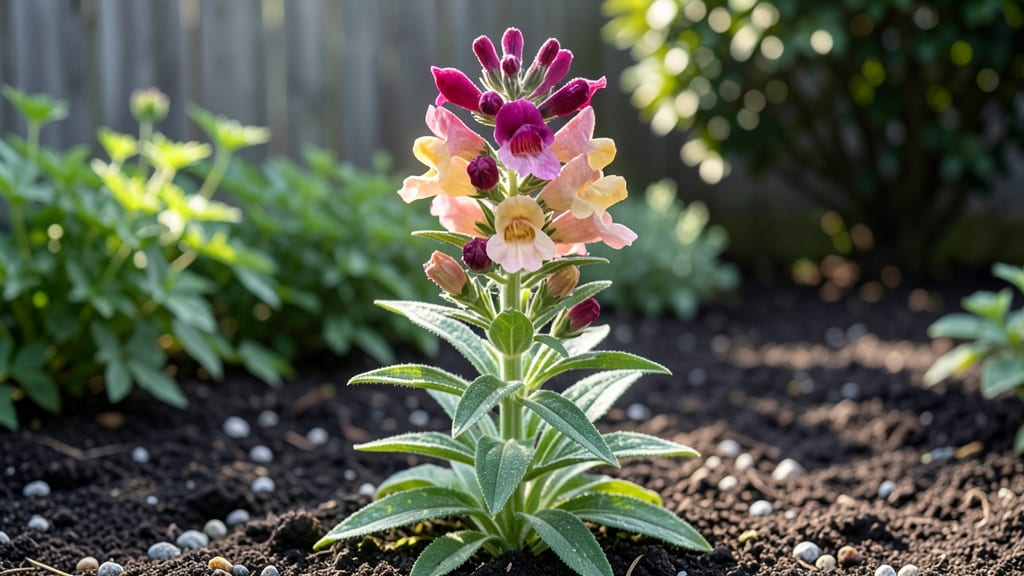
Whether snapdragons are perennial or annual depends on your climate: they act as annuals in most regions but can grow as perennials in USDA zones 7-11, where mild winters preserve their roots or seeds for regrowth. Cold-hardy varieties like Antirrhinum majus survive frost-free microclimates.
This distinction comes down to temperature tolerance and seed behavior. In warmer zones, snapdragons often self-seed prolifically, creating new plants each spring from dormant seeds left in the soil. 🌱 The key threshold is around 20°F—below that, most varieties won't survive winter.
Even in marginal zones, gardeners can extend their lifespan by protecting plants with mulch or growing them in containers that can be moved indoors during freezes.
What's interesting is how this trait varies even among snapdragon types. Some hybrids, like 'Rocket' series, are bred for better cold resistance, while others may need extra winter care.
The perennial behavior primarily benefits gardeners who want continuous blooms without replanting—just be prepared to provide some winter protection in transitional zones.
💡 In This Article
- Why Snapdragons Act Like Perennials in Warm Climates
- How to Overwinter Snapdragons in Cold Regions
Why snapdragons act like perennials in warm climates
The botanical secret behind snapdragons' perennial behavior in warm zones lies in their seed dormancy and root resilience. Unlike true perennials that regrow from established roots, snapdragons primarily persist through self-seeding—dropping thousands of tiny seeds that remain viable in the soil for years.
These seeds enter a natural dormancy when temperatures drop, waiting for spring warmth to trigger germination. In zones 7-11, where winter lows rarely dip below 20°F, many seeds survive to create new plants annually.
Root survival also plays a role, though most snapdragons aren't winter-hardy enough to regrow from their own roots like true perennials. However, some varieties develop a fibrous root system that can tolerate brief frost exposure, especially when protected by organic mulch.
The key temperature threshold is 20°F—below this, cell damage occurs in both roots and stems, triggering death. In frost-free microclimates near coastlines or in sheltered garden spots, this threshold is rarely breached, allowing continuous growth cycles.
What's fascinating is how this behavior contrasts with their typical annual lifecycle in colder regions. In zones 5-6, snapdragons complete their entire life cycle in one season, producing seeds before dying when temperatures fall.
But in warm zones, the plants often bloom continuously, producing new seed pods that self-sow throughout the growing season. This creates a dense, multi-aged population where older plants may still flower while younger seedlings emerge nearby.
Gardeners in transitional zones (like zone 6) often see a hybrid behavior—some seeds survive winter while others don't, leading to patchy regrowth. The most cold-tolerant varieties, like Antirrhinum 'Rocket' series, have been selectively bred to extend this threshold slightly, sometimes surviving brief dips to 15°F when protected.
This explains why you might find snapdragons returning year after year in milder microclimates even when official zone ratings suggest they shouldn't.
The perennial-like behavior also stems from snapdragons' natural habitat in Mediterranean climates, where they evolved to thrive in warm, dry conditions with occasional cool periods rather than harsh winters.
This adaptation explains why they perform so well in coastal gardens, containers, and even as houseplants in cooler climates—when brought indoors before frost. The trade-off is their need for consistent moisture during growing seasons, as drought stress can prevent proper seed set and reduce overwintering success.
For visual gardeners, this means snapdragons can create stunning, self-sustaining displays when given the right conditions. In my own zone 8 garden, I've seen snapdragons establish themselves in sunny borders where they return each year more vigorously than my annual plantings.
The secret is providing well-draining soil and avoiding heavy winter rains that might wash away dormant seeds.