
Planting
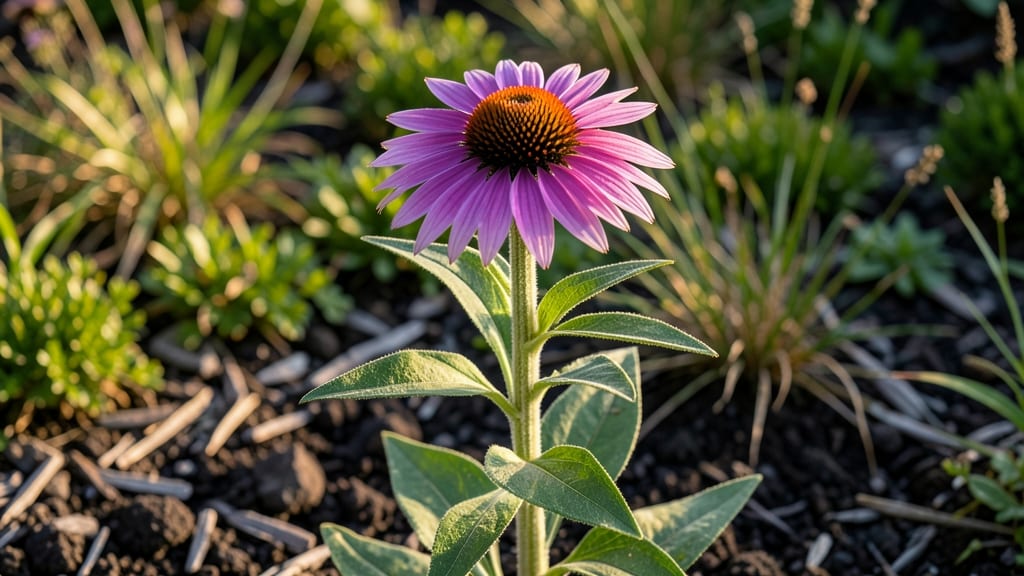
Sun perennials for Zone 6 thrive in full sunlight and cold winters, with hardy varieties like black-eyed Susan, coneflower, and Russian sage offering vibrant blooms and low-maintenance growth. Choose drought-tolerant species for long-term landscape success.
Zone 6's sun perennials are your secret weapon for year-round garden beauty—they handle freezing temperatures and scorching summers with ease. 🔥 The key is selecting varieties that balance cold hardiness (USDA Zone 6 means they survive to -10°F) with heat tolerance and minimal water needs.
I've seen gardens in my area transform from winter dormancy to summer glory using just 5-10 of these tough plants, creating pollinator magnets that thrive even during droughts.
What makes these plants special is their ability to establish deep root systems early, which helps them weather both cold snaps and dry spells.
For example, Russian sage not only survives Zone 6 winters but also attracts hummingbirds throughout the summer, while coneflowers provide late-season color when many other plants have faded. The best part? Most require minimal care once established—just deadheading spent blooms and occasional mulching to protect roots during winter.
💡 In This Article
- How to Choose Cold-Hardy Sun Perennials for Zone 6 Gardens
- Top 10 Sun-Loving Perennials That Survive Zone 6 Winters
How to choose cold-hardy sun perennials for Zone 6 gardens
The USDA Zone 6 classification means your garden endures -10°F to 0°F winters, but the real test is how plants handle both cold and summer heat. Cold hardiness isn't just about surviving frost—it's about how quickly plants recover in spring and how efficiently they photosynthesize during short summer days.
For example, black-eyed Susan (Rudbeckia hirta) can handle -30°F but thrives best when planted where it gets 6-8 hours of direct sunlight daily—too much shade reduces its disease resistance and bloom production.
Drought tolerance comes from deep root systems that develop in well-draining soil. Plants like Russian sage. (Perovskia atriplicifolia) grow roots 3-5 feet deep by their third year, allowing them to access moisture during dry spells. The trade-off?
These deep-rooted perennials need 2-3 years to establish. In the meantime, mulch with 2-3 inches of organic matter. (like shredded bark) to retain moisture and regulate soil temperature—critical during Zone 6's 30-40°F temperature swings. between day and night.
Sunlight intensity matters more than you'd think. Full sun (6+ hours/day.) triggers higher photosynthesis rates, but in Zone 6, afternoon shade can prevent leaf scorch during 85-95°F. heatwaves. Coneflowers. (Echinacea) handle this perfectly—their fuzzy leaves reflect excess light while their deep roots prevent wilting.
For maximum resilience, pair sun-loving perennials with 30-40% shade. from nearby trees or structures to create microclimates that protect roots during extreme heat.
Soil adaptability is often overlooked, but Zone 6's clay-heavy soils can suffocate roots if not amended. Most cold-hardy sun perennials prefer slightly acidic to neutral pH (6.0-7.0). and benefit from 10-20% compost. mixed into planting holes.
For example, daylilies. (Hemerocallis) tolerate pH 5.5-8.0., making them versatile, while lavender. (Lavandula) thrives in alkaline soils. (pH 7.0-8.0).
Test your soil before planting—amending with gypsum. (for clay) or peat moss. (for sandy soil) can make the difference between a struggling plant and a thriving one.
Seasonal timing is another critical factor. Plant perennials in early spring. (March-April) or early fall. (September-October) to give roots 6-8 weeks. to establish before winter dormancy. Fall planting is ideal for Russian sage. and sedum., as cooler temperatures reduce transplant shock.
Avoid planting in summer. when Zone 6's 90°F+. soil temperatures can stress roots, even for drought-tolerant species.
Here's what to prioritize when selecting plants:
- Root depth: Choose varieties with 3+ foot roots. (e.g., catmint., yarrow) for drought resistance
- Leaf structure: Fuzzy or waxy leaves (like coneflower.) reflect heat better than smooth leaves
- Bloom timing: Layer plants with early., mid., and late-season. bloomers to extend color
- Pollinator appeal: Native species (like bee balm.) attract beneficial insects year-round
The best sun perennials for Zone 6 combine these traits naturally. For instance, shasta daisies. bloom from June-August. and handle -20°F., while their 1-2 foot height*.** makes them perfect for borders.
The key is matching each plant's native growing conditions to your garden's microclimate—then letting them do the work with minimal intervention. 💫