I’ve been digging in the dirt since I was a kid, helping my grandfather tend his vegetable garden in upstate New York. There’s nothing quite like the quiet satisfaction of watching something grow from seed to harvest. This site is where I share the lessons I’ve learned—from the best times to plant perennials to how to coax life out of stubborn seeds. My goal is to make gardening feel less like a chore and more like a creative, rewarding hobby.
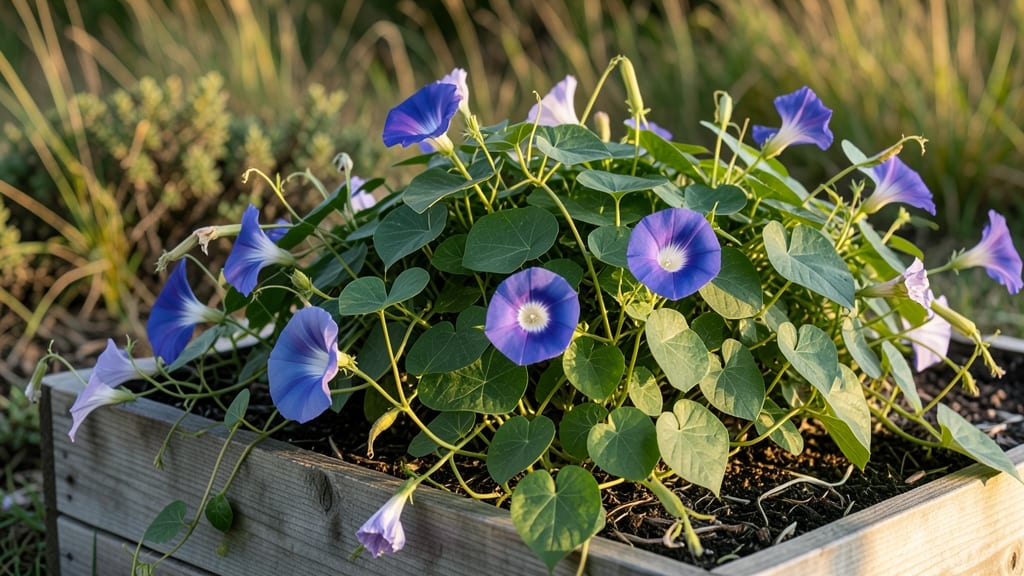
💥 Quick Answer Deciding whether morning glory acts as an annual or perennial depends on your climate: most varieties die back after frost, but cold-hardy species like Ipomoea purpurea or Ipomoea nil can overwinter in…
💥 Quick Answer Determining whether nemesia is annual or perennial depends on its growing conditions—it behaves as an annual in most climates, completing its life cycle in one season, but may self-seed prolifically to…
💥 Quick Answer The opposite of perennial plants are annuals and biennials, which complete their life cycle in one or two growing seasons instead of returning year after year. Annuals die after flowering, while biennials…
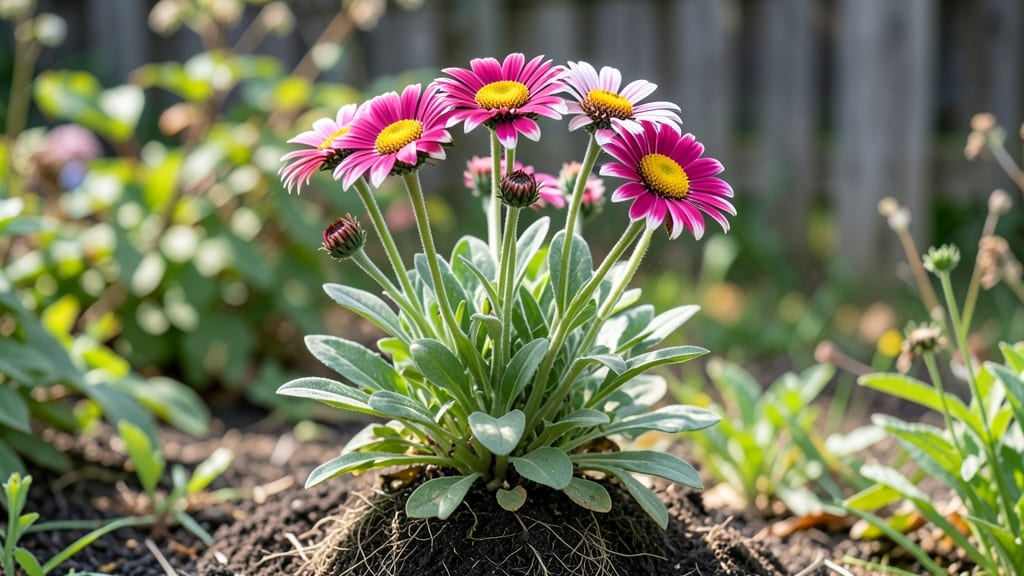
💥 Quick Answer Osteospermum isn't a true perennial in most climates, but with the right strategies—like heavy mulching, frost protection, and choosing hardy varieties—it can return year after year in zones 7-11…
💥 Quick Answer Deciding whether osteospermum grows as an annual or perennial depends on your climate: most gardeners treat them as annuals, but in USDA Zones 8-11, their deep, fibrous roots let them survive mild winters…
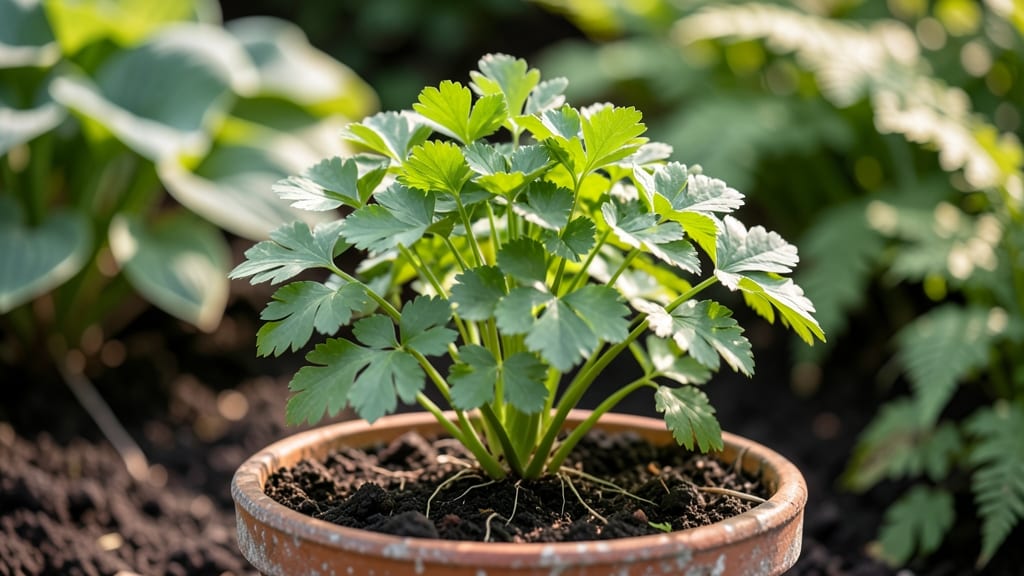
💥 Quick Answer Whether parsley is a perennial or annual depends on your climate—it behaves as a biennial, thriving as a perennial in frost-free winters but dying back each year in colder regions. The plant's root system…
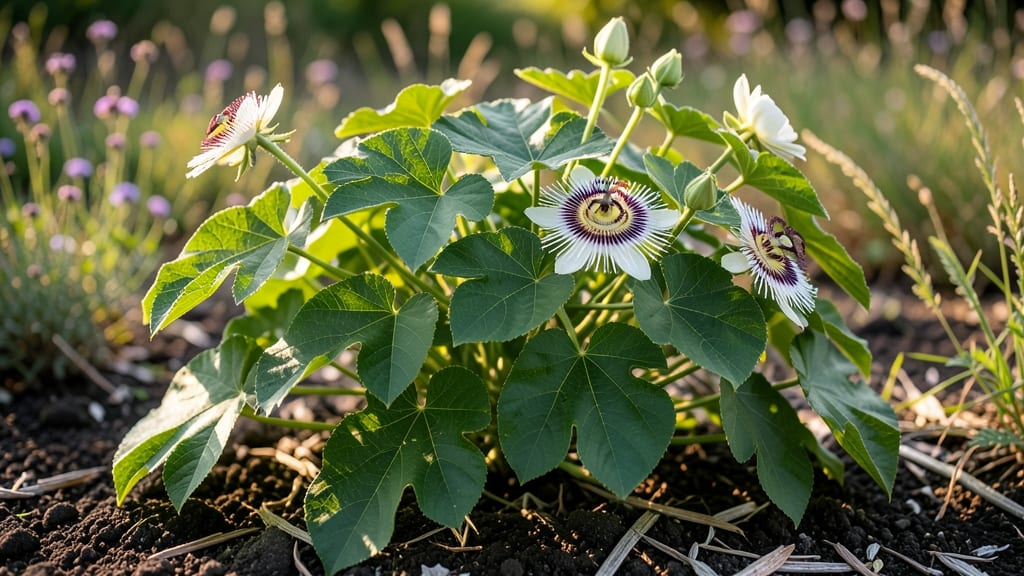
💥 Quick Answer Whether passion flower grows as an annual or perennial depends entirely on its root system's cold resistance: tropical varieties will die back in frost but regrow from roots each spring, while hardy types…
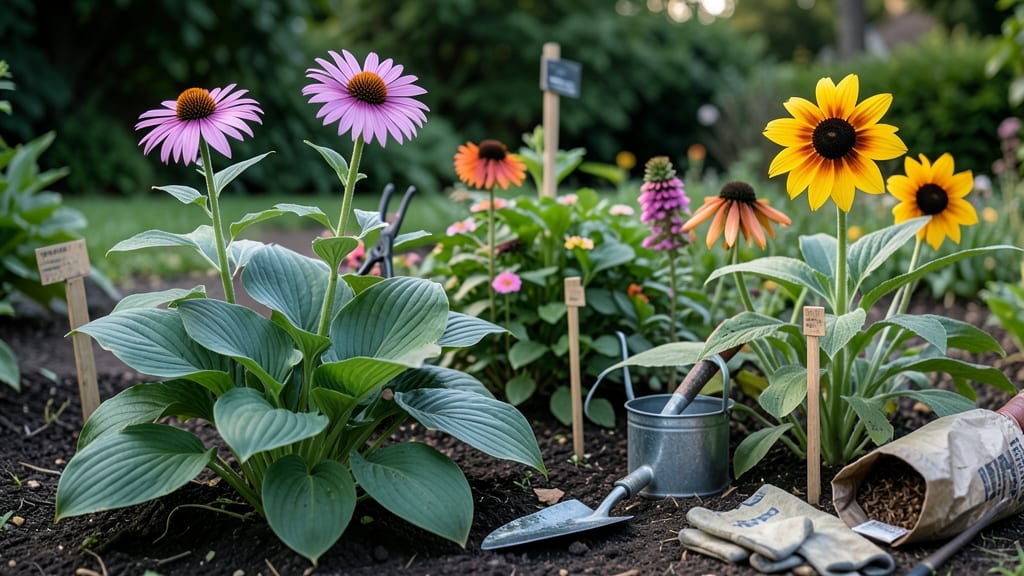
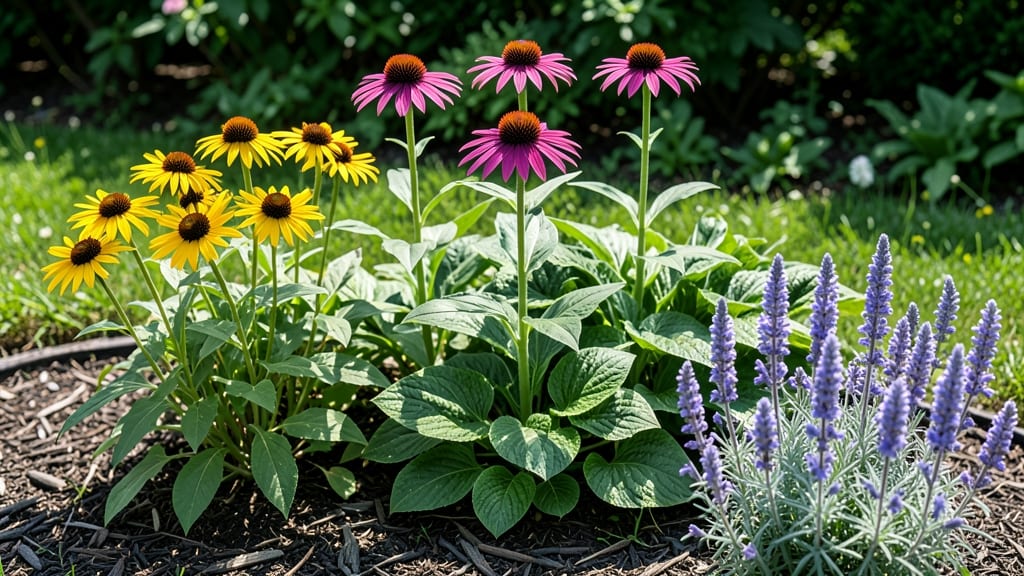
💥 Quick Answer For perennial garden plants in Zone 5, focus on cold-hardy varieties like coneflowers, black-eyed Susans, and hostas that deliver seasonal color with minimal upkeep. Native species offer the best winter…
💥 Quick Answer The perennial life cycle relies on cold-hardy growth strategies that let plants regenerate annually from underground structures like roots or tubers, enduring winter dormancy before reviving with spring’s…
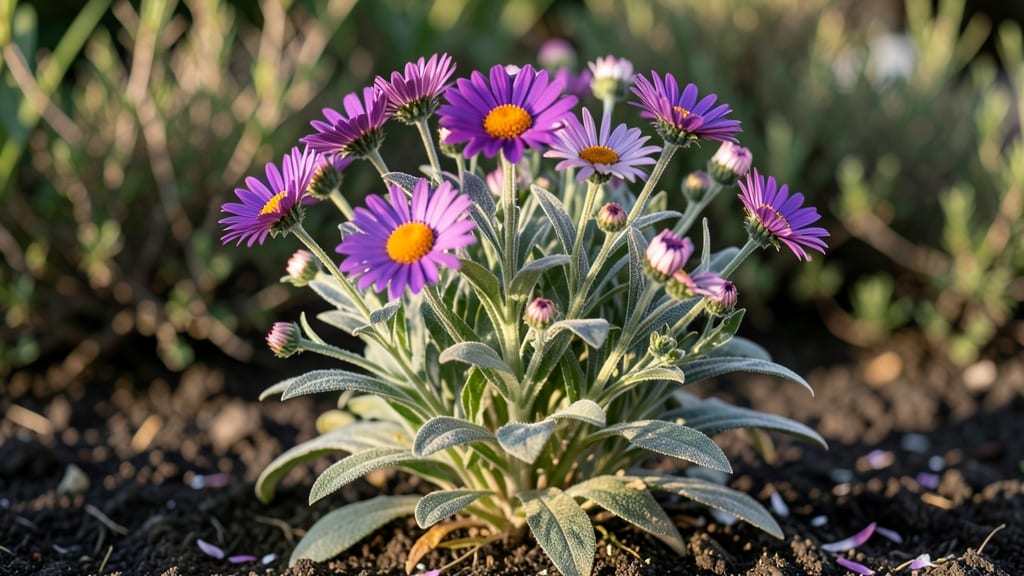
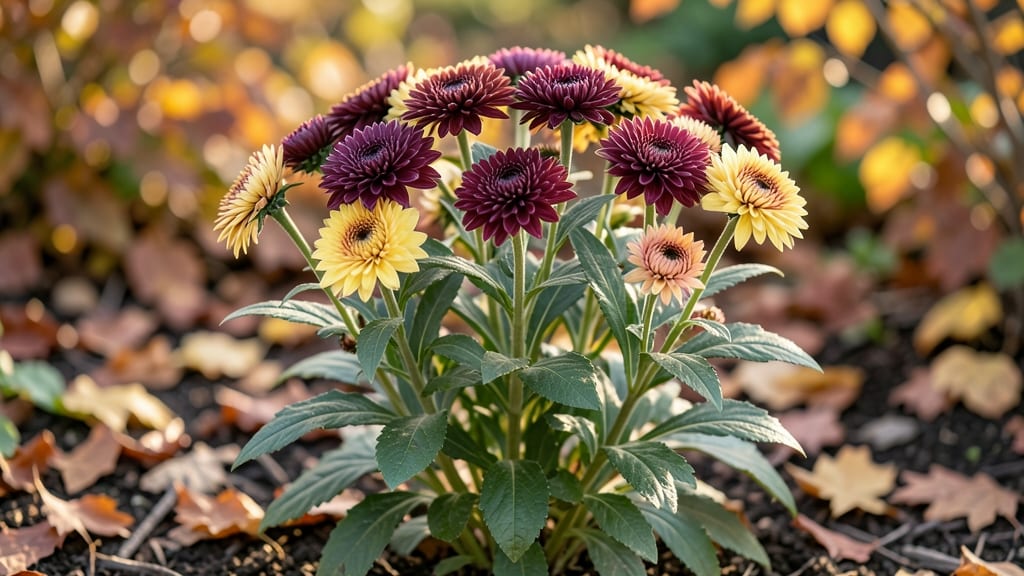
💥 Quick Answer Growing perennial mums in Zone 4 requires selecting cold-resistant varieties like 'Autumn Joy' or 'Purple Dome,' providing thick winter mulch (4-6 inches), well-draining soil, and strategic spring pruning…