
Flowers
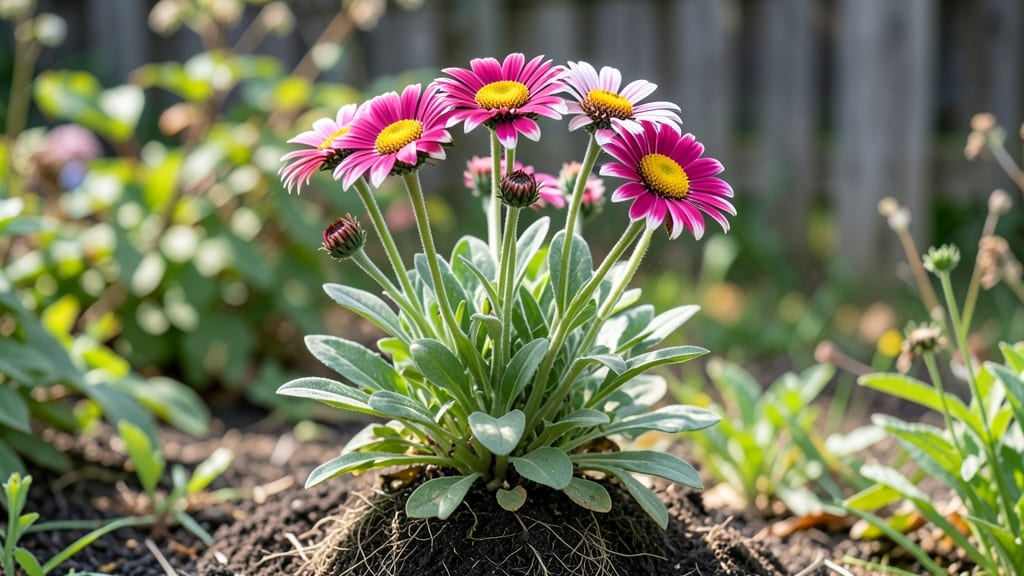
Deciding whether osteospermum grows as an annual or perennial depends on your climate: most gardeners treat them as annuals, but in USDA Zones 8-11, their deep, fibrous roots let them survive mild winters and return year after year.
This difference comes down to root hardiness—osteospermum's thick, fibrous roots can withstand light frosts but struggle in prolonged cold below 20°F. 🌱 In colder regions, gardeners often dig up plants before winter or grow them in containers to protect the roots.
The key is understanding your zone's winter severity: even in marginal zones, proper care can sometimes coax a second year of blooms.
For example, in Zone 7, you might get away with overwintering if you mulch heavily and protect plants with frost cloth. Meanwhile, in Zone 5, treating them as annuals is the safer bet unless you're willing to bring them indoors during winter months.
The plant's resilience makes it worth experimenting with these techniques!
💡 In This Article
- How Osteospermum Root Systems Influence Lifespan
- Climate-Based Osteospermum Growing Strategies
How osteospermum root systems influence lifespan
The secret to osteospermum's lifespan lies in its deep, fibrous root system—a network of thick, woody roots that can extend 12-18 inches below the soil surface. These roots store nutrients and water, allowing the plant to regenerate quickly after dieback.
In warmer climates (Zones 8-11), where winter temperatures rarely drop below 20°F, these roots remain viable through mild winters, enabling perennial growth. The key difference is that perennial osteospermum roots can regenerate shoots from dormant buds at the base, while annual varieties simply don't survive freezing temperatures.
What makes these roots so special is their ability to insulate against cold through a process called cold acclimation. When temperatures dip into the 40-50°F range, the roots produce higher concentrations of sugars and antifreeze proteins, similar to how winter wheat survives frost.
However, once temperatures fall below 20°F for more than 24 hours, the cell membranes in these roots begin to rupture, leading to irreversible damage. This is why Zone 7 gardeners might see occasional overwintering success—those marginal winters often hover just above the critical threshold.
The root system's depth also plays a role in drought tolerance, which indirectly affects lifespan. Osteospermum roots can tap into moisture 3-4 feet down, making them more resilient in dry conditions than many annual flowers.
This deep reach means they're less likely to suffer from summer stress, which can weaken plants and make them more vulnerable to cold damage in fall. In contrast, shallow-rooted annuals often struggle in drought, requiring more frequent watering and reducing their overall hardiness.
Here's what happens at the cellular level: during cold exposure, osteospermum roots increase production of proline (an amino acid) and glycine betaine, both of which protect cell structures from freezing damage. However, this protective mechanism has limits—prolonged exposure to below 15°F overwhelms these defenses, leading to root death.
That's why even in Zone 8, a harsh winter snap can kill the plant, turning it into an accidental annual.
For gardeners in transitional zones (like Zone 7b), the battle between annual and perennial growth often comes down to microclimates. A south-facing bed with extra mulch might protect roots enough for survival, while an exposed north-facing area will likely fail.
The plant's ability to regrow from the root crown—even after top growth dies back—is what makes it worth experimenting with overwintering techniques in these marginal areas.
Consider this comparison: in Zone 10, osteospermum thrives as a perennial with minimal care, while in Zone 6, even the hardiest roots will die without protection. The difference isn't just about temperature tolerance—it's about how quickly the plant can rebound from cold stress.
Perennial varieties have evolved to regenerate faster from their root crowns, while annual types simply don't have this capacity.
The takeaway? Osteospermum's lifespan is a delicate balance between root hardiness and winter severity. Understanding this biological mechanism helps gardeners make informed decisions about whether to treat their plants as annuals or attempt overwintering strategies. 🌱