
Flowers
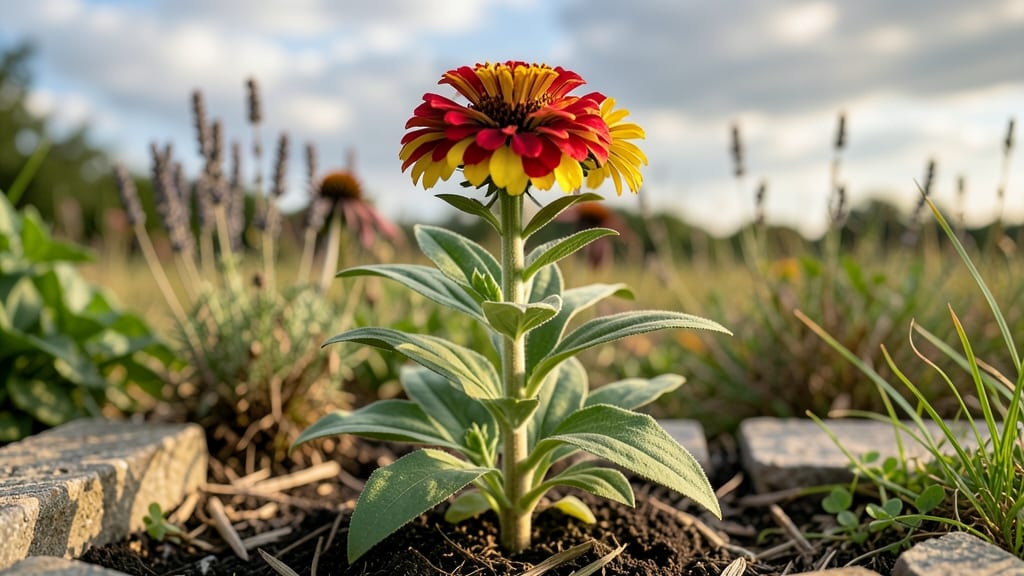
The opposite of perennial plants are annuals and biennials, which complete their life cycle in one or two growing seasons instead of returning year after year. Annuals die after flowering, while biennials store energy in their first year to bloom and seed the next.
If you're looking to create seasonal color in your garden, annuals and biennials are your go-to options. 🌸 Annuals like marigolds and petunias burst into bloom within weeks of planting and complete their entire life cycle—from seed to flower to seed—within a single growing season.
Biennials, on the other hand, like foxgloves and hollyhocks, focus on building root systems their first year, then produce flowers and seeds in their second year before dying. This difference means you can swap out plants each year for fresh looks without the long-term commitment of perennials.
What makes these plants so popular is their adaptability. Annuals thrive in warm climates and can be replanted every spring, while biennials often handle cooler temperatures better, making them ideal for early spring or late fall plantings.
The trade-off? You'll need to replant them regularly, but the vibrant displays they create more than make up for the effort.
💡 In This Article
- How Annuals and Biennials Differ in Growth Cycles
- Best Annual and Biennial Plants for Gardens by Season
How annuals and biennials differ in growth cycles
Annuals and biennials follow fundamentally different biological strategies to complete their life cycles. Annuals like zinnias and cosmos germinate, grow, flower, produce seeds, and die all within one growing season—typically 6-12 weeks from seed to seed.
Their rapid growth is fueled by storing minimal energy reserves in their roots; instead, they prioritize quick reproduction to take advantage of favorable conditions before potential drought or frost. This strategy ensures survival through seed production rather than plant longevity.
The key difference lies in their energy allocation. Biennials such as sweet William and Canterbury bells dedicate their first year to building robust root systems and storing nutrients like starches and sugars in specialized tissues. This stored energy powers their dramatic growth spurt and flowering in their second year.
For example, a biennial like foxglove may produce only a basal rosette of leaves in its first year but can grow 3-4 feet tall and flower profusely the following spring. 🌱 The trade-off is their vulnerability to winter die-off if they don't complete their second-year cycle.
Seasonal triggers play a crucial role in these cycles. Annuals rely on temperature and daylight cues to time their rapid growth, often germinating in spring when soil temperatures reach 55-65°F.
Biennials, however, require a period of cold stratification (exposure to cold temperatures) to break seed dormancy and initiate their two-year cycle. This adaptation explains why many biennials thrive in temperate climates where distinct seasons create predictable cold periods.
What's fascinating is how these plants optimize their resources. Annuals invest heavily in seed production—some species like sunflowers can produce 1,000-2,000 seeds per plant—while biennials focus on root development. The biennial strategy is particularly advantageous in unpredictable climates where survival through multiple seasons would be risky.
For instance, hollyhocks store enough energy in their taproots to support their towering 5-6 foot flowering stalks in their second year.
Understanding these mechanisms helps gardeners make informed choices. Annuals are ideal for quick color bursts in containers or borders, while biennials offer long-term rewards for patience. The choice between them often comes down to your gardening timeline and climate conditions.
For example, in regions with mild winters, biennials might not need a cold period and could behave more like annuals, flowering in their first year instead.
One practical implication is how you handle plant debris. Annuals can be removed entirely after they've finished flowering, while biennial stems should be left in place until they've seeded.
This allows the seeds to disperse naturally, potentially providing next year's crop of plants without additional planting. 🌿 The self-sustaining nature of biennials makes them particularly rewarding for gardeners who enjoy low-maintenance options.