
Aphids
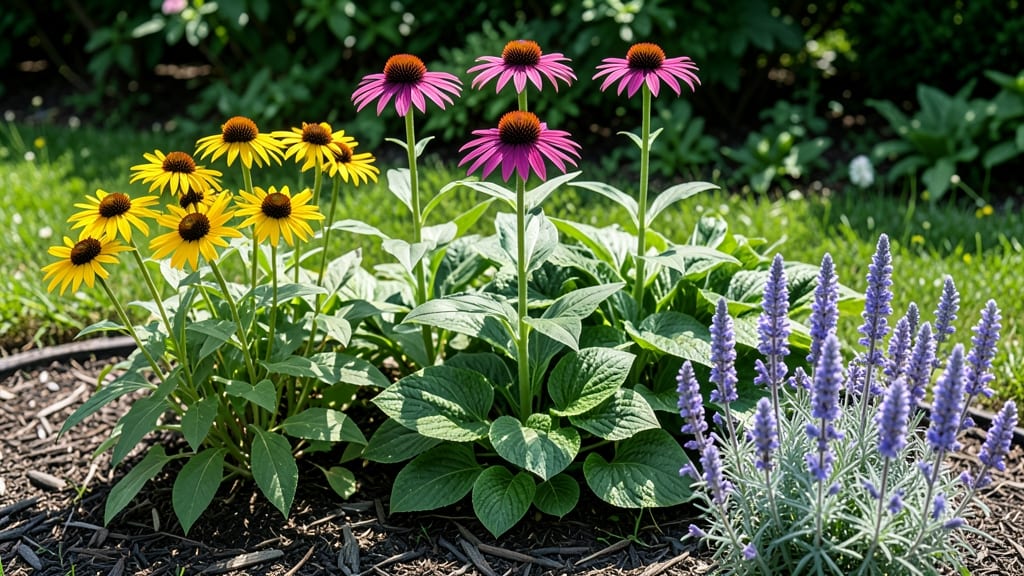
The perennial life cycle relies on cold-hardy growth strategies that let plants regenerate annually from underground structures like roots or tubers, enduring winter dormancy before reviving with spring’s warmth. Their deep root systems and slow, steady growth set them apart from annuals, which focus on quick above-ground development.
The perennial life cycle hinges on two key survival adaptations: cold tolerance and resource allocation. During winter, plants enter dormancy, conserving energy in their roots while producing protective compounds like antifreeze proteins. 🌱 This isn't just about surviving—it's about strategic preparation.
For example, peonies store carbohydrates in their roots, fueling their dramatic spring blooms, while hostas harden their leaves to resist frost damage. The trade-off? Slower initial growth compared to annuals, but long-term resilience that pays off year after year.
This biological strategy explains why perennials dominate gardens and wild landscapes. Their ability to regenerate from established root systems means they outlast annuals, which must be replanted each season.
Understanding this cycle helps gardeners time pruning (never cutting back in fall) and choose plants suited to their climate's hardiness zone. The result? A low-maintenance, high-reward approach to gardening that rewards patience with decades of growth.
💡 In This Article
- How Perennials Survive Winter Dormancy
- Pruning and Care for Optimal Perennial Growth Cycles
How perennials survive winter dormancy
Perennials deploy a sophisticated biological toolkit to endure freezing temperatures. At the cellular level, they produce antifreeze proteins that lower the freezing point of water within their tissues, preventing ice crystal formation that would rupture cell walls.
For example, winter ryegrass can survive down to -20°F thanks to these proteins, which bind to ice crystals and inhibit their growth—similar to how antifreeze works in car engines. 💫 This adaptation explains why some perennials thrive in USDA Hardiness Zone 3 (as cold as -40°F) while others struggle in Zone 5 (-20°F).
The real work happens underground, where perennials store carbohydrates like starches and sugars in their roots, rhizomes, or tubers. These energy reserves fuel regrowth when temperatures rise.
A peony root system can store enough energy to produce its iconic blooms within just 2-3 weeks of spring thaw, while hostas convert stored starches into new leaf growth at 50°F. The trade-off?
This storage requires diverting energy from above-ground growth during the growing season, which is why perennials often appear slower to establish compared to annuals.
Temperature acts as the master switch for dormancy. As nights grow shorter and temperatures drop below 40°F for extended periods, plants detect these cues through photoperiodism (light duration) and vernalization (cold exposure).
This triggers the production of abscisic acid, a hormone that signals cells to harden by increasing lignin (a woody polymer) in cell walls. The result? Leaves become leathery, stems woody, and roots develop protective layers—transforming the plant into a biological winter survival pod. 🌿
Hardiness zones provide a practical framework for understanding these adaptations. Zone 3 perennials like coneflowers have evolved to handle -40°F winters by combining antifreeze proteins with thick, insulating root systems, while Zone 9 plants like oleanders rely on drought tolerance and shallow roots to avoid winter soil moisture loss.
The key difference? Zone 3 plants prioritize cold resistance, while Zone 9 plants focus on heat and drought survival—both strategies stem from the same core principle: resource allocation for long-term survival.
What most gardeners overlook is how soil temperature (not just air temperature) triggers regrowth. Roots begin metabolizing stored carbohydrates only when soil reaches 45-50°F, which is why early spring pruning can stunt growth—you're essentially cutting off the plant's food source before it's ready.
This explains why late winter pruning (February-March) is ideal for most perennials: it allows roots to rebuild energy reserves before new shoots emerge. 🌱
Consider the case of asparagus, which takes 2-3 years to establish its crown (root system) before producing spears. During this time, the plant diverts nearly all energy underground, creating a 10-pound crown capable of producing spears for 15+ years.
This extreme investment in roots demonstrates the perennial strategy: sacrifice short-term growth for long-term dominance. The lesson for gardeners? Patience and proper winter care pay dividends in perennial performance.