
Vegetables
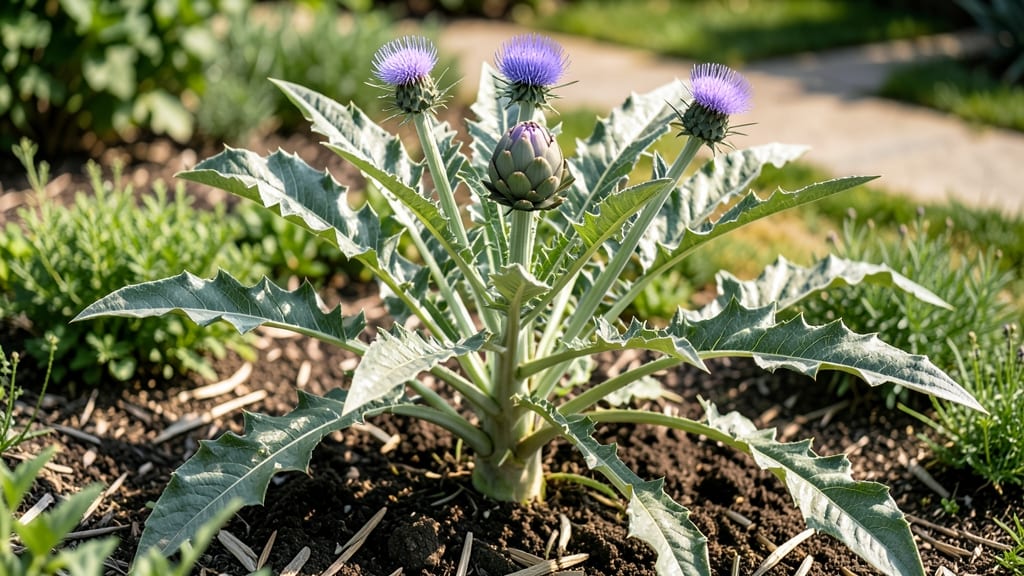
Artichokes are perennial plants in warm climates, meaning their roots survive year-round and regrow each spring with proper care. In colder regions, they're typically treated as annuals since frost can damage their large taproots unless protected. Hardy varieties like 'Green Globe' can persist in USDA zones 7-11.
This perennial nature comes from their deep, woody roots that store energy like underground batteries. 🌱 Unlike many vegetables that die back completely in winter, artichoke roots enter dormancy but remain alive beneath the soil—ready to sprout new shoots when temperatures rise.
The key difference between true perennials and overwintered annuals lies in how well you protect those roots: thick mulch layers (4-6 inches) and frost blankets can make all the difference in marginal climates.
What's fascinating is how their growth cycle works: after harvest, the plant focuses on strengthening its root system rather than producing new buds. This makes them more resilient than you'd expect—some gardeners in zone 6 have successfully overwintered them with extra insulation.
The trade-off? First-year plants may take longer to mature when grown perennially since energy goes toward root development before flowering.
💡 In This Article
- How Artichoke Roots Survive Winter Conditions
- Growing Artichokes as Perennials: Step-by-Step Winter Care
How artichoke roots survive winter conditions
Artichokes develop a robust taproot system that can extend up to 3-4 feet deep into the soil, acting like a natural storage unit for energy reserves. Unlike fibrous-rooted plants (such as carrots), this woody structure allows them to withstand seasonal temperature fluctuations.
The root's outer layer contains a protective layer of cork cells that insulate against frost down to 15°F, though prolonged exposure below 20°F can cause damage. This hardiness explains why varieties like 'Green Globe' thrive in zones 7-11 without annual replanting.
The survival mechanism kicks in when temperatures drop below 50°F at night. Artichokes enter dormancy, a state where metabolic activity slows dramatically—similar to how rhubarb or asparagus conserve energy through winter. Unlike annuals that die back completely, artichoke roots remain alive but inactive, storing carbohydrates in their root tissues.
What's unique is their ability to regenerate shoots from the crown (the base where roots meet stems) even after frost damage to the above-ground foliage. 🌱
Comparing to other perennials reveals their resilience: asparagus crowns can survive -20°F with proper mulching, while artichokes' roots are less cold-hardy but more adaptable to Mediterranean climates. The trade-off is that artichokes require 6-8 months of warm weather to fully mature, making them less reliable in short-season zones.
Their root system's energy storage capacity means they can push through early spring growth even after a mild winter, unlike strawberries which need consistent warmth.
Frost damage occurs when ice crystals form in root cells, disrupting their structure. A hard freeze (below 25°F) can kill back the plant completely, but the roots often survive if protected.
This is why gardeners in marginal zones (like zone 6) use 4-6 inches of straw mulch or row covers—creating an insulating blanket that maintains soil temperatures 5-10°F warmer than ambient air. The root's ability to regenerate from dormant buds means even partially damaged plants can recover with proper spring care.
What sets artichokes apart from other perennials is their secondary growth pattern. While asparagus produces spears from the same crown year after year, artichokes develop new shoots from lateral buds along their taproot.
This makes them more forgiving if the main crown is damaged—you might get 30-50% regrowth from a partially frozen plant, compared to asparagus which requires near-total crown survival. The key is maintaining soil moisture during dormancy to prevent root desiccation.
For gardeners in zones 8-11, the perennial advantage becomes clear: established plants produce 2-3 times more artichokes in subsequent years than annual plantings. This is because their roots develop extensive lateral branches that create a network of energy storage points.
In contrast, annual plantings must allocate all energy to new growth each season, resulting in smaller harvests. The perennial strategy pays off when you consider that a 3-year-old artichoke plant can yield 50-100 artichokes per season versus 20-30 from a first-year plant.