
Flowers
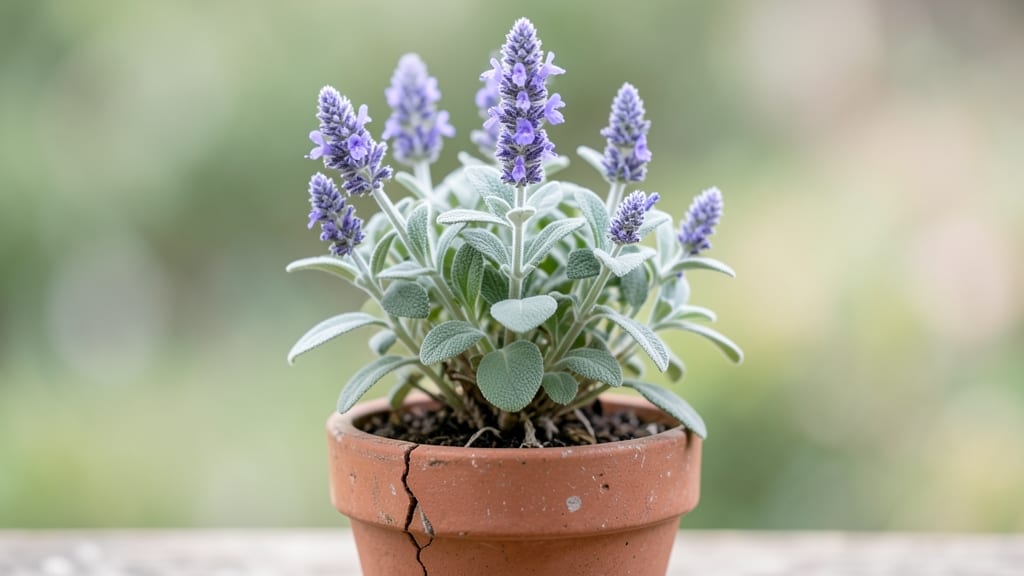
Sage is a perennial in most climates, thriving for multiple years with proper care, though it may die back to the ground in winter before regrowing in spring. Its hardiness varies by variety and cold tolerance levels.
Sage earns its place as a perennial because it lives for years—not just one growing season—thanks to its deep root system that stores nutrients. 🌿 Most varieties thrive in USDA zones 5 through 8, where they’ll regrow each spring after winter dormancy.
The key difference between sage types is whether they stay green year-round (evergreen) or go dormant (deciduous), with the latter being more common in colder regions.
What makes this plant so resilient is its ability to recover from frost damage, provided the roots remain protected.
I’ve seen gardeners in zone 5 keep sage alive for decades by simply adding a thick layer of mulch before winter—this prevents the ground from freezing completely and preserves the root system.
💡 In This Article
- Sage’s Perennial Growth Cycle Explained
- How to Extend Sage’s Lifespan as a Perennial Plant
Sage’s perennial growth cycle explained
Sage’s perennial nature stems from its deep, woody root system that can extend 12-18 inches below the soil surface.
This root structure stores carbohydrates and nutrients, allowing the plant to survive harsh winters and regenerate each spring. 🌱 Unlike annuals that complete their life cycle in one year, sage’s roots remain dormant during cold months but stay alive, ready to sprout new growth when temperatures rise above 40°F in spring.
The plant’s cold hardiness varies by variety, with most common types thriving in USDA zones 5-8. In zone 5, where winter temperatures can drop to -20°F, sage often dies back to the ground but regrows from the roots.
Evergreen varieties like ‘Berggarten’ stay green year-round in zones 6-8, while others like ‘Purpurascens’ turn purple and go dormant. The key difference is that evergreen sage retains some foliage, while deciduous types lose all leaves but keep their roots alive.
Seasonal regrowth begins when soil temperatures reach 50°F, triggering the roots to push new shoots upward. I’ve observed that sage typically emerges within 2-4 weeks after the last frost, with new growth appearing first near the base of the plant.
This resilience is why sage can live for 10-15 years or more with proper care—its root system acts like a built-in survival mechanism against freezing temperatures and drought.
One fascinating aspect is how sage’s growth pattern adapts to climate. In warmer zones (7-8), it may grow continuously, while in colder zones (5-6), it enters a true dormancy phase.
The plant’s ability to adjust its metabolic rate—slowing down in winter and speeding up in spring—is what makes it a true perennial rather than an annual or biennial. This metabolic flexibility is similar to how deciduous trees survive winter by shutting down non-essential functions.
However, not all sage behaves the same. Some varieties, like ‘Golden Sage’, are less cold-hardy and may struggle in zone 5 without protection. The difference lies in their genetic makeup—evergreen types have evolved to retain moisture and chlorophyll in winter, while deciduous types prioritize energy conservation by shedding leaves.
This biological adaptation explains why some sage plants look completely dead in winter but bounce back in spring, while others may decline if conditions are too harsh.
For gardeners in marginal zones (like zone 4), overwintering sage requires extra care—such as covering the base with 4-6 inches of mulch or using frost blankets. The goal is to maintain soil temperatures above 28°F, the point where roots can start freezing.
This protection mimics the plant’s natural resilience in its native Mediterranean climate, where it evolved to survive dry summers and mild winters.