
Flowers
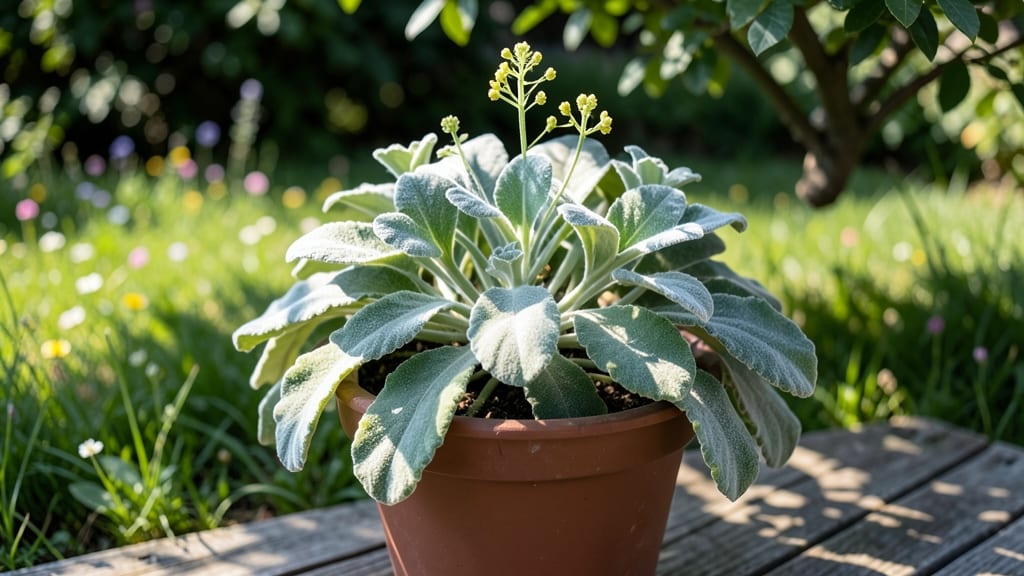
Is dusty miller a perennial? It behaves like one in most climates, though it may resprout from roots in mild winters. In colder regions, it dies back completely each year and requires replanting or special winter care to survive.
Is dusty miller a perennial? The answer depends entirely on your climate zone. 🌱 In USDA zones 7-10, it often acts like a short-lived perennial, sending up new growth from the base each spring, while in colder zones (below 7), it typically dies back to the ground annually.
The key difference lies in how cold-hardy the roots are—some varieties may survive winter dormancy, while others need protection like thick mulch or container growing to prevent freeze damage.
I've seen gardeners in zone 6 successfully overwinter it by cutting back stems and covering the base with straw, though results vary by specific cultivar.
What's interesting is how this plant's growth habit affects garden planning. Since it's not a true perennial in most areas, you'll need to decide whether to treat it as an annual (replanting each year) or invest in winter protection to extend its lifespan.
Many gardeners choose to grow it in containers, which they can move indoors during winter months and bring back outside in spring—a strategy that works beautifully for patio planters.
💡 In This Article
- Dusty Miller's Growth Habits in Cold Climates
- Cold-Weather Care for Dusty Miller: Extending Its Lifespan
Dusty miller's growth habits in cold climates
Dusty miller (Jacobaea maritima) behaves like an annual in colder climates because its foliage and stems are highly sensitive to freezing temperatures. While the roots may survive down to 15°F, the above-ground growth typically succumbs to frost damage when temperatures drop below 25°F.
This is why gardeners in USDA zones 7-10 often see regrowth each spring—those roots have survived winter dormancy. In zones 6 and below, however, the roots frequently fail to regenerate properly, forcing gardeners to replant annually.
The plant's natural habitat along Mediterranean coastlines explains its sensitivity. Dusty miller evolved in regions where winters are mild (35-50°F average lows) and summers are hot and dry. When exposed to prolonged sub-freezing temperatures, the plant's cellular structure breaks down, particularly in the stems and leaves.
The roots, however, contain specialized cells that can enter dormancy—a survival strategy that allows them to persist through mild winters but often fails in harsh freezes.
What's fascinating is how the plant's regrowth mechanism works. After winter, new shoots emerge from the crown (the base where stems meet roots) if the root system remains intact. This process relies on stored carbohydrates in the roots, which fuel new growth in spring.
In colder zones, gardeners can sometimes trigger regrowth by providing 2-3 inches of mulch around the base before the first frost, creating an insulating barrier that protects the roots from extreme cold.
Here's where things get nuanced: not all dusty miller varieties behave identically. Some cultivars, like the compact 'Silver Spire,' are slightly more cold-tolerant than the standard variety, with roots that can survive brief exposures to 10°F.
However, even these tougher varieties may still die back completely in zones 5 and below without protection. The key difference lies in how quickly the roots can regenerate—some varieties bounce back within 2-3 weeks of spring warmth, while others take 4-6 weeks.
Understanding this growth habit helps explain why dusty miller is often used as an annual in northern gardens despite its perennial tendencies in warmer climates.
The plant's ability to self-seed also plays a role—many gardeners find volunteer plants popping up in subsequent years from seeds dropped the previous season, creating a de facto perennial effect even when the original plant dies back.
For those in colder zones, this growth pattern presents a trade-off: either replant annually or invest in winter protection to preserve the root system. The choice often comes down to how much effort you're willing to put into maintaining the plant versus simply enjoying its silver foliage each season. 🌿