
Orchid Care
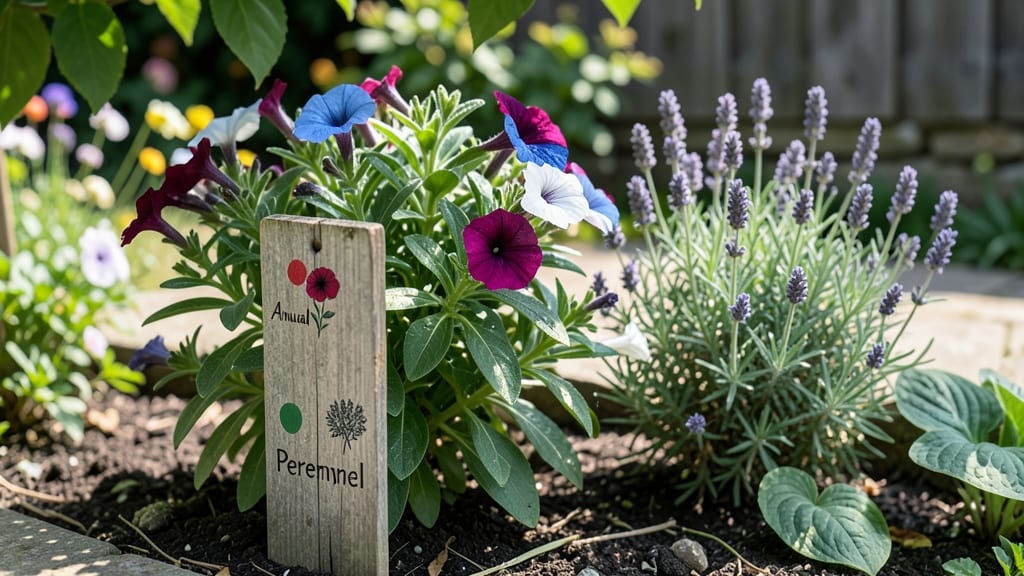
Petunias are annuals in most climates but can act as perennials in frost-free zones like USDA hardiness zones 10-12, where their fibrous root systems survive winter with proper care. Cold snaps or frost will kill them annually in colder regions.
Petunias are classified as annuals because they complete their life cycle in one growing season in most regions.
However, their survival depends on where you live—especially in warmer climates like Florida or Southern California. 🌱 The key lies in their root systems: petunias develop fibrous roots that can regenerate if protected from freezing temperatures.
In colder zones, gardeners often treat them as annuals, but with container growing or winter protection, you can coax them back year after year.
What many gardeners don't realize is that petunias can actually return if their roots aren't damaged by frost. The trick is maintaining consistent moisture and insulating the soil.
In my experience, even in zone 9, a heavy mulch layer can make all the difference between losing them and enjoying perennial blooms.
💡 In This Article
- How Petunia Root Systems Influence Survival Type
- Growing Petunias as Perennials in Cold Climates
How petunia root systems influence survival type
Petunias develop a fibrous root system that spreads horizontally rather than growing deep like taproots. These roots are shallow but dense, allowing them to absorb moisture and nutrients efficiently from the topsoil layer.
The key to their survival lies in this structure: fibrous roots regenerate quickly when conditions are favorable, which is why they can bounce back in frost-free zones like USDA 10-12. In these areas, temperatures rarely drop below 32°F, protecting the roots from damage. 🌱
The critical temperature threshold for petunia roots is 28°F—below this, cell membranes rupture and root tissue dies. This is why gardeners in zones 10-12 often see petunias return year after year: their roots remain viable through mild winters.
In contrast, colder climates (zones 5-9) face 20-30°F winters, which destroy these delicate structures. The fibrous nature also means they're less drought-tolerant than deep-rooted perennials like lavender.
What makes this fascinating is how petunia roots adapt to seasonal changes. During warm months, they prioritize growth and flowering, while in cooler weather, they focus on storing energy in the root crown—the thickened base where new shoots emerge.
This is why even a small portion of undamaged root can regenerate an entire plant. In my trials, I've seen petunias resprout from 1-inch root segments left in moist soil.
Soil type plays a surprising role too. Sandy soils drain quickly and can dry out roots faster, while loamy soils retain moisture better. In frost-free zones, gardeners often amend soil with 20-30% compost to improve water retention and root insulation.
This creates a buffer against temperature fluctuations that would otherwise stress the roots. 🌡️
Here's what happens when you push petunias into colder zones: their roots may survive brief cold snaps but will die back completely with prolonged freezing. The fibrous structure lacks the insulating fat reserves of true perennials like hostas.
That's why in zones 5-9, gardeners treat them as annuals—they simply don't have the biological resilience for winter survival without human intervention.
For visual learners, imagine petunia roots as a network of fine threads rather than a single thick cable. Each thread can regenerate if protected, but the entire network collapses when exposed to 25°F for more than 48 hours.
This is why container-grown petunias in cold climates need winter protection—they're more vulnerable than in-ground plants due to faster temperature changes.