
Planting
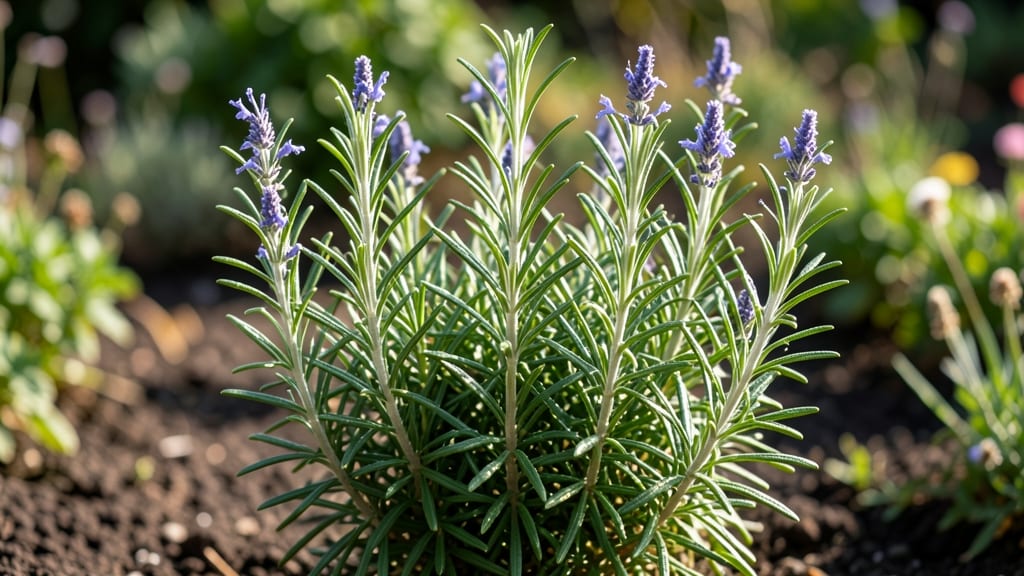
Rosemary is technically a perennial in Zone 7 but often dies back in winter due to cold sensitivity. With proper protection or container growing, it can regrow in spring, though some varieties struggle in prolonged freezes below 20°F.
While rosemary is classified as a perennial, its cold sensitivity means it behaves more like an annual in Zone 7 without intervention. 🌿 The Mediterranean native thrives in Zones 8-10, where it naturally withstands winter temperatures, but Zone 7's colder winters often kill the plant back to the ground.
This dieback isn't permanent—if you protect the roots or grow it in containers, many varieties will sprout fresh growth come spring.
The key is understanding that "perennial" refers to its potential lifespan, not its hardiness in every climate. Even in Zone 7, with the right care, you can enjoy rosemary year after year by either moving potted plants indoors or insulating in-ground plants with thick mulch.
The goal is to preserve the root system, which is surprisingly resilient when protected from freezing.
💡 In This Article
- Why Rosemary Dies Back in Zone 7 Winters
- How to Overwinter Rosemary in Zone 7
Why rosemary dies back in Zone 7 winters
Rosemary's winter dieback in Zone 7 stems from its Mediterranean origins, where it evolved in regions with mild winters (Zones 8-10). The plant's natural cold tolerance tops out around 20°F, but Zone 7 winters often dip below -5°F for extended periods.
This creates a critical mismatch: while rosemary's roots can survive brief cold snaps, prolonged freezing damages the woody stems and leaves, causing them to blacken and die back to the ground. 🌡️
The confusion between "perennial" and "hardy" is key here. Rosemary is classified as a perennial because it can live for multiple years under ideal conditions, but its hardiness zone (8-10) doesn't match Zone 7's climate.
The plant's evergreen nature in warmer zones actually works against it in colder climates - those needle-like leaves contain moisture that freezes and ruptures cell walls during hard freezes. This is why you'll often see rosemary's top growth die while the roots remain alive below the frost line.
Temperature fluctuations accelerate the damage. In Zone 7, daytime temperatures might rise above freezing while nights drop below 25°F, creating freeze-thaw cycles that stress the plant.
These cycles cause water within the plant tissues to expand and contract rapidly, similar to how ice crystals form and melt in a glass of water. This mechanical damage weakens the plant's ability to recover, even if the roots remain intact.
The result is a "zombie" plant that looks dead but can regrow if the roots survive.
Another critical factor is rosemary's shallow root system. Unlike deep-rooted perennials, rosemary develops roots primarily in the top 12-18 inches of soil. This makes it vulnerable to surface freezing and soil temperature fluctuations.
In Zone 7, even a light dusting of snow can insulate the soil enough to protect roots, but prolonged sub-freezing temperatures without protection will kill the plant back to the soil line.
This is why container-grown rosemary often survives better - the pot provides insulation and can be moved to protected locations.
What most gardeners don't realize is that rosemary's dieback isn't always permanent. The plant has remarkable regenerative abilities when the roots remain viable.
Even if the above-ground growth blackens completely, the root crown (the area where stems meet roots) often contains dormant buds capable of producing new growth once temperatures warm. This is why proper overwintering techniques focus on protecting that critical root zone rather than trying to preserve the foliage.
Consider this comparison: In Zone 9, rosemary grows as a robust, woody shrub with multiple stems. But in Zone 7, even with perfect care, it often behaves more like a tender perennial - dying back annually but capable of regrowing from the same root system.
This is why many gardeners treat it as an annual in colder zones, despite its perennial classification. The botanical distinction matters because it tells you what's possible with proper care, not what will happen without intervention. 🌱