
Flowers
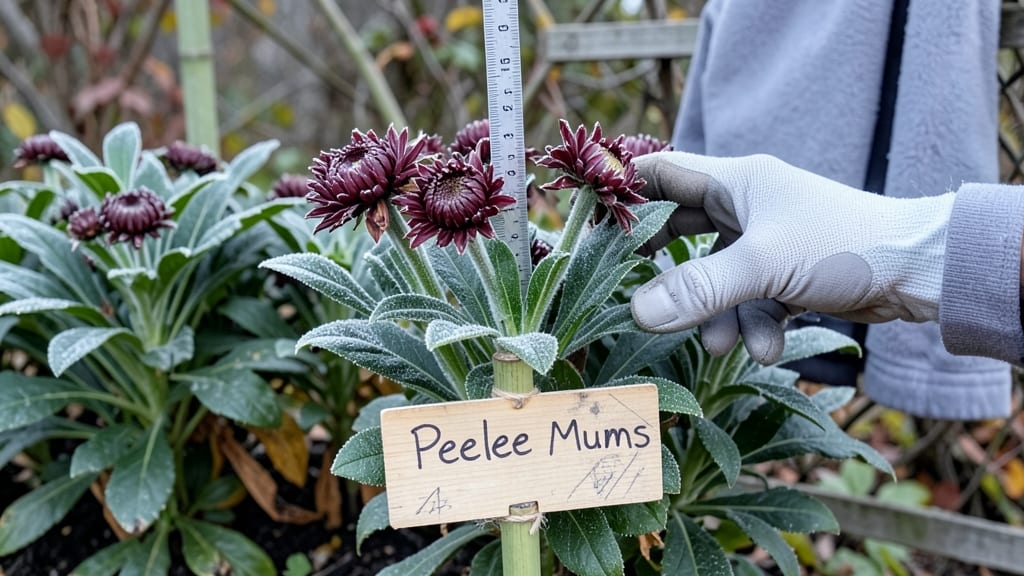
Pelee mums are perennials that thrive as hardy plants in warm regions but go dormant each winter in colder areas, sprouting fresh growth from their roots every spring. Proper winter care—like mulching and frost protection—keeps them alive for years.
Pelee mums aren't just annuals—they're true perennials with a clever survival trick.
Their above-ground stems and leaves freeze back in winter, but their roots stay alive underground, storing energy to fuel next year's blooms. 🌱 This dormancy cycle is their way of conserving resources during cold months, much like how daylilies or hostas behave. The key difference?
Unlike annual mums, which complete their entire life cycle in one season, Pelee mums come back stronger each year with the right care.
What sets them apart from regular mums is their root resilience. While annual mums die completely after flowering, Pelee mums' fibrous roots act like a living battery, ready to push new shoots when temperatures warm.
This makes them a smarter long-term investment for gardeners who want year-after-year color with minimal replanting.
💡 In This Article
- Why Pelee Mums Die Back: The Science of Perennial Dormancy
- How to Overwinter Pelee Mums for Next Year’s Blooms
Why Pelee mums die back: the science of perennial dormancy
Pelee mums enter dormancy as a survival mechanism when temperatures drop below 40°F. Their above-ground foliage freezes and turns brown, but this isn't death—it's a strategic shutdown. The plant redirects energy to its fibrous root system, which contains specialized cells that store carbohydrates like starch and sugars.
These reserves act like a biological battery, sustaining the plant through winter and fueling regrowth when spring arrives.
The root system's resilience comes from its deep, extensive network that spreads horizontally. Unlike annual mums, which have shallow roots, Pelee mums develop roots that can reach 12-18 inches deep and spread 2-3 feet wide.
This structure allows them to access moisture and nutrients from multiple soil layers, while the root crown (where stems emerge) remains protected below the frost line. 🌱 The cold actually triggers this dormancy by slowing metabolic processes, which conserves energy and prevents damage from freezing temperatures.
What makes this different from annual mums is their genetic memory. Pelee mums are a specific type of chrysanthemum bred for perennial behavior, meaning their DNA contains instructions to regenerate from roots rather than complete their lifecycle in one season.
Annual mums, by contrast, have a 2-3 month growth cycle and die when frost hits, as they lack this root resilience. The key distinction lies in their growth habit: perennials like Pelee mums focus on building root systems first, while annuals prioritize rapid above-ground growth for quick flowering.
Temperature sensitivity varies by variety, but most Pelee mums can tolerate USDA zones 5-10 with proper care. In colder zones (5-7), they'll die back completely, but their roots remain viable if protected.
In warmer zones (8-10), they may stay partially green year-round, though they still benefit from a cool-season rest period to recharge. This dormancy cycle is nature's way of ensuring survival—similar to how trees drop leaves in winter or bulbs go dormant underground.
Here's what happens biologically during dormancy: The plant's growth hormones (like auxins) decrease while stress hormones (like abscisic acid) increase. This hormonal shift causes leaves to senesce (age and die), while the roots enter a state of reduced metabolic activity.
The root cells even develop protective proteins that shield them from freezing damage. When spring arrives and soil temperatures reach 50°F, these roots resume growth, sending up new shoots within 2-4 weeks.
The most critical factor for successful regrowth is maintaining root viability through winter. Even if the foliage looks dead, the roots can stay alive for up to 6 months in ideal conditions (moist but well-drained soil, proper mulch).
This is why proper winter care isn't just about protecting the plant—it's about preserving this underground energy reserve that makes Pelee mums true perennials. 💫