
Flowers
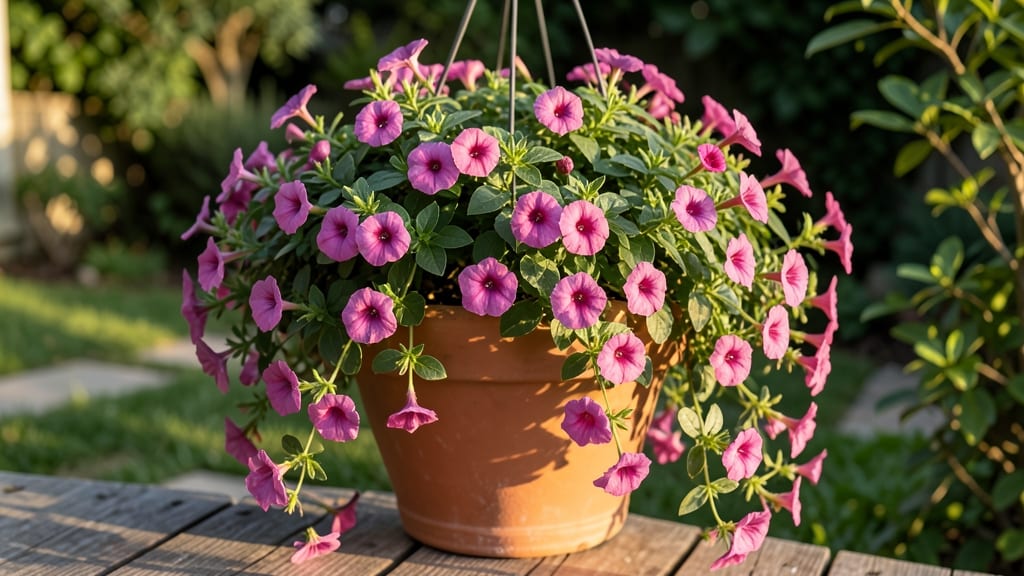
Calibrachoa behaves as a perennial only in USDA zones 10-12, where frost never occurs. In cooler climates, it dies back annually, requiring replanting each spring since freezing temperatures kill it to the ground.
This tender plant thrives as an annual in most gardens because its delicate foliage and shallow roots can't withstand frost. 🌱 Unlike hardy perennials, calibrachoa sends no energy to underground storage structures—it simply resprouts from seed or cuttings when conditions warm.
Gardeners in zones 3-9 often treat it like a seasonal favorite, while those in warmer zones can extend its life with protective measures like heavy mulch or container overwintering.
What sets calibrachoa apart is its rapid growth cycle—it blooms profusely in just 6-8 weeks from seed, making it a prized annual despite its perennial classification in frost-free regions.
The key difference lies in temperature tolerance: while some perennials like lavender survive light freezes, calibrachoa's tropical origins demand consistent warmth to maintain vigor.
💡 In This Article
- Why Calibrachoa Dies Back in Cold Climates
- How to Overwinter Calibrachoa in Cooler Zones
Why calibrachoa dies back in cold climates
Calibrachoa's tropical origins make it highly sensitive to frost, as its cells lack the protective mechanisms found in hardy perennials. When temperatures drop below 32°F, the plant's thin stems and delicate leaves freeze solid, causing irreversible damage to the vascular system that transports water and nutrients.
Unlike perennials like lavender or coneflowers, calibrachoa doesn't produce woody stems or deep root systems to store energy for regrowth after cold snaps. 🌡️
The real issue lies in calibrachoa's shallow root system, which typically extends only 6-12 inches deep. This makes it vulnerable to both frost penetration and soil temperature fluctuations. When soil temperatures fall below 45°F, root activity slows dramatically, starving the plant of essential nutrients.
Compare this to petunias, which can survive brief cold snaps thanks to their slightly deeper root systems and thicker stems—calibrachoa simply lacks these survival adaptations.
What's particularly interesting is how calibrachoa's growth cycle gets disrupted by cold. Unlike true perennials that enter dormancy, calibrachoa continues growing until frost hits, leaving its energy reserves depleted. The plant's rapid flowering habit (producing 1,000+ blooms per season) demands constant energy production, which it can't sustain through winter.
This is why gardeners in zones 4-8 often see their calibrachoa plants turn brown and crispy overnight during the first frost.
Another key factor is calibrachoa's thin cuticle layer—the waxy coating on leaves that helps retain moisture. While this makes the plant's foliage appear velvety and attractive, it also means it can't withstand freezing temperatures.
When ice crystals form in the cells, they rupture the delicate leaf structures permanently. This contrasts with geraniums, which have thicker cuticles and can survive light freezes down to 28°F with minimal damage.
Even in marginally warmer zones (like zone 9), calibrachoa may survive light freezes but typically shows significant dieback. The plant's inability to regenerate from underground structures means each winter effectively resets its growth cycle.
This explains why nurseries sell calibrachoa as an annual in most regions—it's not that the plant can't survive winter, but that it's biologically incapable of recovering from freezing temperatures once they occur. 💫
Understanding this helps explain why calibrachoa thrives in containers—when you can move pots to protected locations during cold snaps.
The plant's shallow roots also make it highly responsive to soil temperature changes, which is why gardeners in warmer climates often see calibrachoa bloom continuously when nighttime temperatures stay above 55°F. This tropical nature is both its greatest asset (prolific flowering) and its biggest limitation (frost sensitivity).