
Flowers
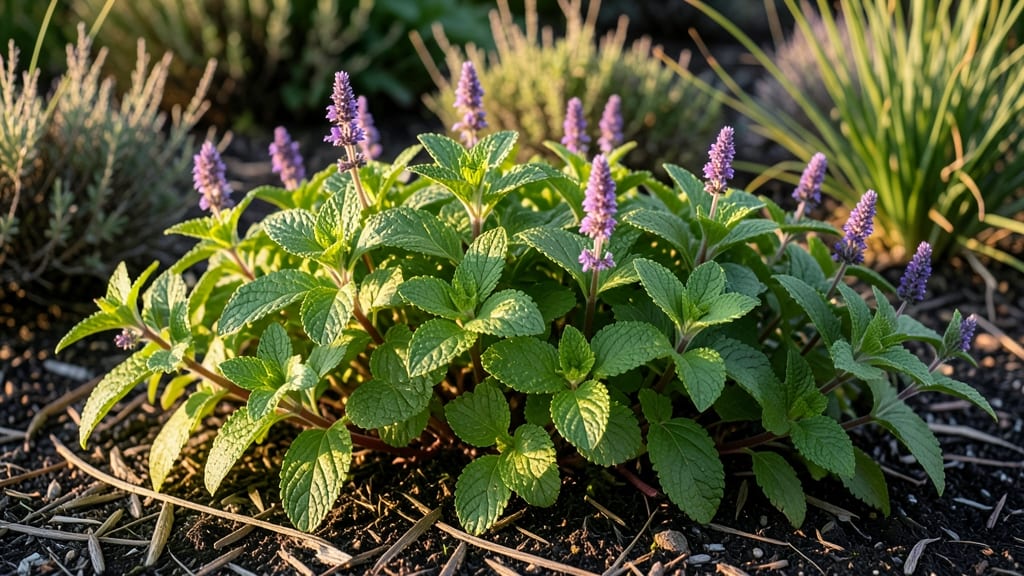
Yes, peppermint is a perennial herb that thrives in cold climates, returning year after year from its extensive underground rhizome system, though it spreads aggressively if not contained.
Peppermint earns its perennial status thanks to its rhizome system, a network of thick, horizontal roots that store nutrients and energy underground. 🌱 These roots allow the plant to survive harsh winters by entering dormancy, then regrow vigorously when temperatures rise.
Unlike annuals that die back each year, peppermint's underground structure lets it bounce back stronger, even in zones as cold as USDA 3-9. The trade-off? That same system makes it spread rapidly—sometimes too rapidly—if you don't manage its growth boundaries.
This cold-hardy nature means peppermint can thrive in regions where many herbs would fail, like the Pacific Northwest or New England. The key to successful cultivation lies in balancing its hardiness with its invasive tendencies.
With proper containment—like using buried barriers or regular division—you can enjoy fresh peppermint harvests for years without it taking over your garden.
💡 In This Article
- How Peppermint’s Rhizome System Supports Perennial Growth
- Managing Peppermint in Cold Climates: Containment and Care
How peppermint’s rhizome system supports perennial growth
Peppermint’s perennial nature stems from its specialized rhizome system, a horizontal underground stem that functions as both storage and growth engine. These thick, fleshy roots store starches and sugars—up to 30% of the plant’s energy reserves—acting like a natural battery to fuel regrowth after winter dormancy.
Unlike annuals that rely on seeds, peppermint’s rhizomes contain dormant buds that can sprout new shoots when conditions improve, even after being buried under 6-12 inches of snow.
The rhizome’s unique biology includes secondary growth, where cells multiply to thicken the root over time, creating a dense network that can extend 3-5 feet horizontally in ideal conditions. This expansion allows the plant to tap into new soil resources while maintaining connections to established roots.
The system’s cold-hardiness comes from its ability to supercool—lowering internal temperatures below freezing without ice crystal formation—thanks to high concentrations of glycerol and proline compounds that act as natural antifreeze.
Temperature tolerance varies by cultivar, but most peppermint varieties survive down to -20°F (-29°C) when established, with some hardy strains enduring -30°F (-34°C) in protected microclimates. The rhizome’s insulation comes from its woody outer layer, which reduces moisture loss during dormancy.
What’s fascinating is how these roots regenerate even when fragmented—cut a rhizome into pieces with at least one bud, and each segment can grow into a new plant, a trait gardeners exploit for propagation.
This underground resilience explains why peppermint thrives in USDA zones 3-9, from Canada’s Maritime provinces to the Pacific Northwest’s rainy climates. The trade-off? That same system makes containment critical.
Without barriers, a single plant can produce 100+ shoots in a season, smothering nearby vegetation. The rhizomes’ aggressive spread is nature’s way of ensuring survival—when one part fails, others persist.
For gardeners, this biology means winter care focuses on mulching (adding 4-6 inches of straw or leaves) to insulate roots and prevent soil heaving. In extreme cold (-15°F/-26°C), a lightweight row cover can protect emerging shoots in early spring.
The rhizome’s ability to recover from frost damage makes peppermint one of the hardiest culinary herbs, outlasting even established perennials like thyme or oregano in harsh winters.
What most people don’t realize is how this system affects flavor. Older, established rhizomes produce 20-30% more menthol—peppermint’s signature compound—than younger plants, which is why commercial growers harvest roots after 3-4 years of growth.
The deeper the rhizome network, the more potent the mint’s aroma and cooling effect on the palate. 🌿