
Plants
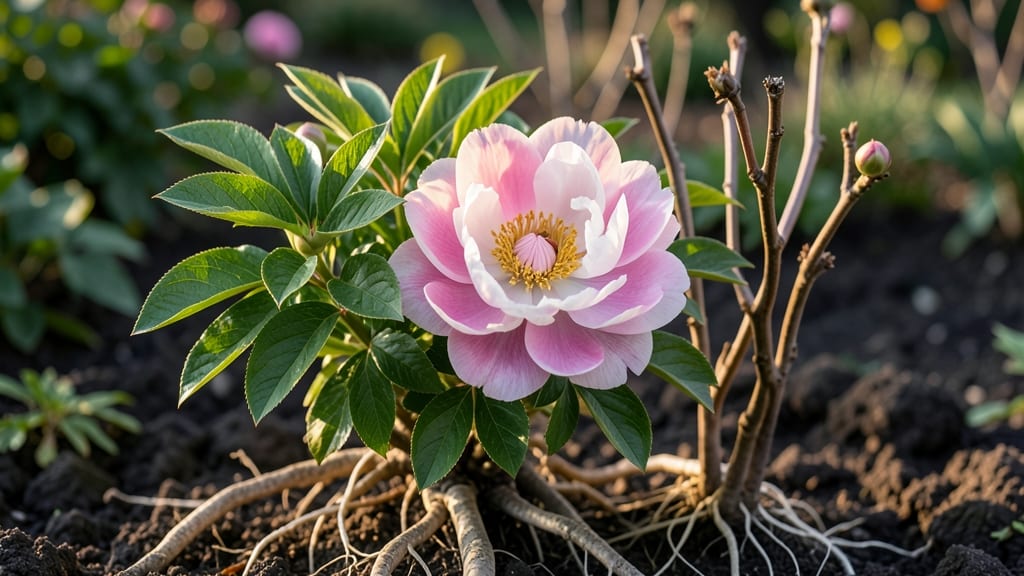
Yes, perennials do come back each year by definition, but their regrowth depends on type—true perennials regenerate from roots or underground stems annually, while reblooming varieties need deadheading or seasonal dormancy to thrive. Cold-hardy plants survive winter, but tender perennials often require protection or replanting.
Perennials earn their name because they persist year after year, but not all behave the same way. 🌱 True perennials store energy in roots or bulbs, allowing them to push through soil as soon as temperatures rise, while rebloomers like coneflowers need you to trim spent blooms to encourage new growth.
The key difference? Seasonal timing—some perennials focus on leafy growth in spring, while others prioritize blooms in summer before entering dormancy. Your climate zone also matters: hardy varieties in zone 5 might handle winter fine, while tender perennials in zone 8 may need winter mulch or indoor pots.
For example, peonies regrow reliably from thick roots, while black-eyed Susans benefit from deadheading to extend their bloom season. Understanding these patterns helps you plan your garden layout—place cold-hardy perennials where they'll get winter protection, and group rebloomers together so you can easily maintain them.
The return of perennials isn't automatic; it's a partnership between biology and your care routine.
💡 In This Article
- How Perennial Plants Regrow After Winter Dormancy
- Caring for Reblooming Perennials vs. Seasonal Varieties
How perennial plants regrow after winter dormancy
The secret behind perennial survival lies in their specialized underground storage systems. True perennials rely on rhizomes (like iris), tubers (such as dahlias), or corms (such as crocuses) to store carbohydrates and nutrients during dormancy.
These structures act like nature's batteries, converting sunlight energy into starches that fuel regrowth when temperatures rise above 40°F. For example, peonies store energy in thick, fleshy roots that can remain viable for decades, while daylilies use fibrous rhizomes that spread horizontally just below the soil surface.
This regrowth process begins when spring soil temperatures reach 50-55°F, triggering hormonal signals that break dormancy. The plant's apical meristems (growth points) activate, pushing new shoots upward at a rate of about 1-2 inches per week, depending on species.
Unlike annuals (which complete their life cycle in one season) or biennials (which bloom in their second year), perennials prioritize vegetative growth first—building leaves and stems before flowering. This explains why you might see lush foliage in early spring before any blooms appear.
The timing of this regrowth varies by species and climate zone. In zone 5, hardy perennials like hostas may emerge as early as late March, while tender varieties like cannas won't resprout until May.
The key difference between true perennials and rebloomers is their energy allocation: true perennials focus on root/foliage growth, while rebloomers (like coneflowers) divert energy to continuous flowering after their initial bloom cycle.
This is why deadheading spent blooms on rebloomers stimulates new growth—it tricks the plant into thinking it hasn't yet completed its reproductive cycle.
What most gardeners overlook is the fall hardening-off period, where perennials prepare for dormancy. Between October and November, plants gradually reduce photosynthesis and increase root carbohydrate storage. This process is triggered by shorter daylight hours and cooler temperatures.
For example, asters begin producing more roots than shoots in late summer, while sedums thicken their leaves to store water for winter. Without this preparation, perennials would struggle to survive freezing temperatures or drought.
Climate plays a crucial role in this cycle. In zone 8, where winters are mild, perennials might enter a light dormancy, continuing slow growth. But in zone 3, where temperatures drop below -30°F, plants rely on antifreeze proteins in their cells to prevent ice crystal formation.
The depth of the root system also matters—deeper roots (like those of Russian sage) access moisture and nutrients during dry spells, while shallow-rooted perennials (such as ajugas) depend on consistent soil moisture.
Here's what's actually happening beneath the soil: During dormancy, perennials enter a state called endodormancy, where growth is genetically suppressed. This isn't the same as ecodormancy (environmental dormancy caused by cold) or paradormancy (growth suppression due to lack of light).
The transition out of dormancy requires chilling hours—typically 500-1,000 hours below 45°F, depending on the species. Without adequate chilling, some perennials (like hellebores) may fail to bloom properly, even if they survive the winter.