
Plants
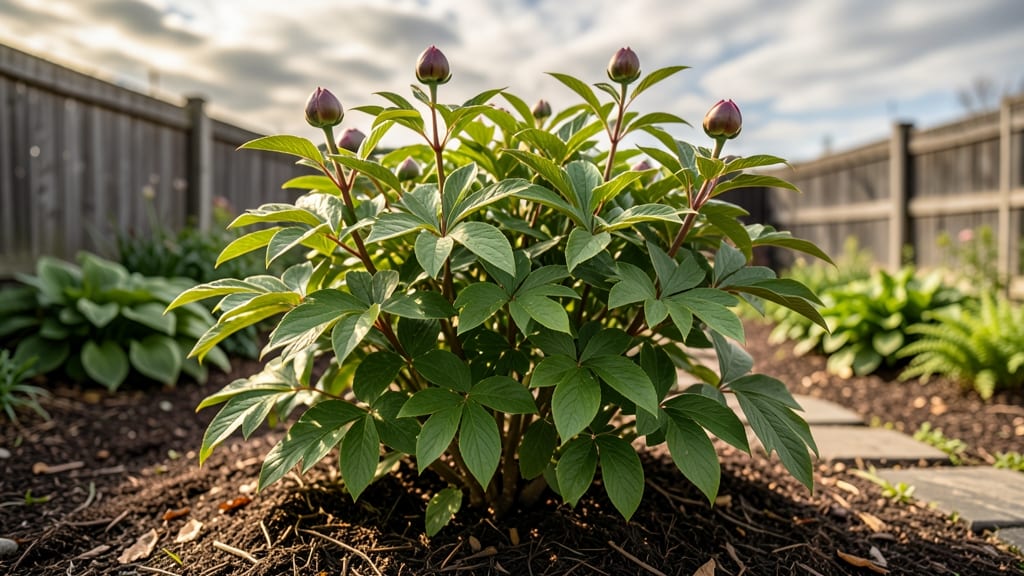
Yes, perennials come back each year because their root systems survive winter dormancy, storing energy to regrow leaves, flowers, or stems when conditions improve. Proper care ensures their return for multiple seasons.
Perennials rely on specialized underground structures like rhizomes, tubers, and crowns to store nutrients and survive harsh winters. 🌱 These roots act like natural batteries, converting sunlight into stored energy during growing seasons.
Unlike annuals, which complete their life cycle in one season, perennials pause growth when temperatures drop, only to burst back to life when spring arrives. The key to their longevity lies in protecting these roots—proper mulching and soil health make all the difference.
What sets perennials apart is their ability to adapt to seasonal changes without replanting. For example, peonies and hostas develop thick, fleshy roots that retain moisture, while daylilies use fibrous roots to spread and regenerate.
This built-in resilience means your garden can maintain its beauty with minimal effort—just give them the right conditions, and they'll reward you with years of blooms.
💡 In This Article
- How Perennial Root Systems Survive Winter
- Tips to Ensure Perennials Return Year After Year
How perennial root systems survive winter
Perennial roots act like nature's energy banks, storing carbohydrates, proteins, and water in specialized underground structures. The most common types include rhizomes (horizontal stems like in ginger), tubers (thickened roots like in dahlias), and crowns (short stems at soil level like in peonies).
These structures contain specialized cells called parenchyma that swell with stored starches—up to 30-40% of their dry weight—which fuel regrowth when temperatures rise. 🌱
The dormancy process begins when nights stay consistently below 50°F (10°C) for several weeks, triggering hormonal changes that slow metabolism. Cold-hardy species like coneflowers (Echinacea) can tolerate -30°F (-34°C) because their cells produce antifreeze proteins that prevent ice crystal formation.
Meanwhile, tropical perennials like elephant ears (Colocasia) only survive in zones 8-11 by going completely dormant, with roots shrinking to 10% of their summer size.
What's fascinating is how these roots maintain cellular integrity during freeze-thaw cycles. Cell walls contain pectin and hemicellulose that remain flexible, while vacuoles store glycerol and sugars that lower freezing points.
This biological adaptation explains why a well-established lavender bush can bounce back after -20°F (-29°C) winters, while a newly planted one might need winter protection. The older and thicker the root system, the more resilient it becomes.
Not all perennials store energy the same way—some prioritize water retention (like hostas with their thick, fleshy roots), while others focus on carbohydrate reserves (like daylilies with their fibrous networks). The storage strategy directly impacts how quickly they regrow in spring.
For instance, bearded iris rhizomes store enough energy to push up new fans within 2-3 weeks of consistent warmth, while peony roots take 4-6 weeks because they allocate more energy to flower bud formation.
One common misconception is that all perennials have equal cold resistance. In reality, their hardiness zones range from 3 (like Siberian bugloss) to 11 (like canna lilies). The key difference lies in their root structure's ability to insulate against temperature swings.
For example, Russian sage (Perovskia) has deep taproots that anchor it 3-4 feet underground, while coral bells (Heuchera) develop shallow, fibrous roots that need winter mulch to prevent freeze damage. 💫
Understanding these variations helps gardeners select plants that match their climate. A zone 5 gardener might choose black-eyed Susans (hardy to -30°F) over canna lilies (hardy to 20°F), knowing the first will reliably return while the second requires winter digging and storage.
The root system's design isn't just about survival—it's about strategic energy allocation for the plant's next growing season.