
Orchid Care
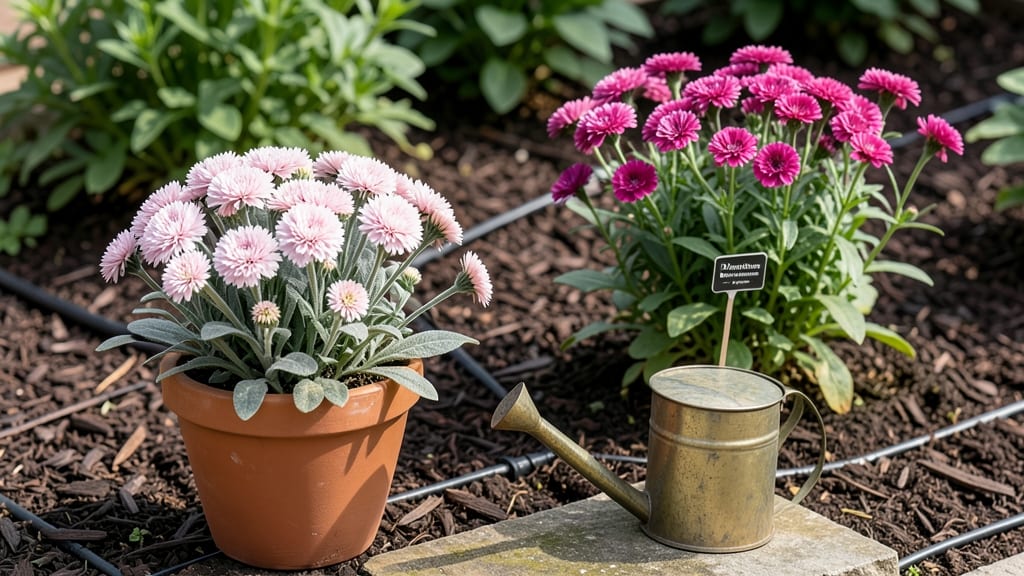
Whether dianthus plants are annual or perennial depends entirely on the variety and your local climate, with hardy types like Dianthus barbatus returning yearly from their root systems after winter dormancy, while tender species act as annuals in colder zones.
This distinction comes down to how they handle winter: perennial dianthus varieties survive by going dormant, storing energy in their roots until spring. 🌱 In USDA zones 5-9, most cold-resistant types will regrow from the same roots year after year, while those in colder zones (like zone 4) typically die back completely and must be replanted annually.
The key difference lies in their root systems—perennials develop deep, fibrous roots that persist through frost, while annuals don't have this resilience.
For gardeners, this means choosing the right variety for your climate zone is crucial. Hardy perennials like sweet william or carnation varieties will reward you with multiple seasons of blooms, while annuals like chinensis offer vibrant summer color but require replanting each year.
Understanding this cycle helps you plan your garden layout and maintenance schedule more effectively.
💡 In This Article
- How Dianthus Dieback Patterns Reveal Their Growth Type
- Choosing Dianthus for Your Climate: Annual vs. Perennial Planting Guide
How dianthus dieback patterns reveal their growth type
The secret to identifying whether a dianthus is annual or perennial lies in its root system and how it responds to temperature changes. Perennial varieties like Dianthus barbatus (sweet william) develop thick, woody roots that store carbohydrates throughout the growing season.
These roots act like a natural battery, converting sunlight into stored energy until spring. When winter arrives, the above-ground foliage dies back completely, but the roots remain dormant just below the soil surface, protected by a layer of mulch or snow.
This dormancy process is triggered by day length and temperature—when nights stay consistently below 40°F for several weeks, the plant's growth hormones shift into survival mode.
The roots enter a state called endodormancy, where cellular activity slows dramatically to conserve energy. 🌱 What makes perennials unique is their ability to regenerate new shoots from these stored roots once temperatures rise again in spring.
In contrast, annual varieties like Dianthus chinensis lack this deep root structure and complete their entire life cycle in one season.
The visual difference becomes clear in late winter: perennial dianthus will show new growth emerging from the crown (the base where stems meet roots) by early spring, while annuals leave behind empty soil. This regrowth isn't just random—it's a precise biological response to increasing daylight and soil temperatures.
Studies show that dianthus roots can remain viable for 2-3 years underground before needing division, which explains why established perennial clumps often spread over time.
Climate plays a critical role in determining which varieties act as perennials versus annuals. In USDA zones 5-9, most dianthus species naturally behave as perennials because winter temperatures rarely drop below their -20°F to -10°F cold tolerance.
However, in zone 4 or colder, even hardy varieties may die back completely because the ground freezes too deeply for root survival. This is why gardeners in northern climates often treat them as annuals—what appears to be an annual growth habit is actually a climate-induced survival strategy.
Consider the example of Dianthus deltoides (maiden pink), which thrives as a perennial in zone 6 but behaves as an annual in zone 3. The difference isn't in the plant itself but in how extreme cold affects its root systems.
In milder winters, the roots survive; in harsher ones, they don't. This adaptability is why dianthus has become such a popular garden plant—it can adjust its growth cycle based on environmental conditions.
For gardeners observing dieback patterns, here's what to watch for: Perennial dianthus will show green shoots emerging from the soil's surface in early spring, often accompanied by new basal leaves. Annual varieties, meanwhile, will leave behind completely bare soil with no signs of regrowth until new seeds germinate.
This visual cue is your best indicator of whether you're working with a perennial or annual variety.
Understanding this cycle helps explain why some gardeners report their dianthus "coming back every year" while others must replant annually. The key factor is root health preservation—whether through proper mulching, selecting cold-hardy varieties, or choosing annual replacements for colder regions. 💫