
Flowers
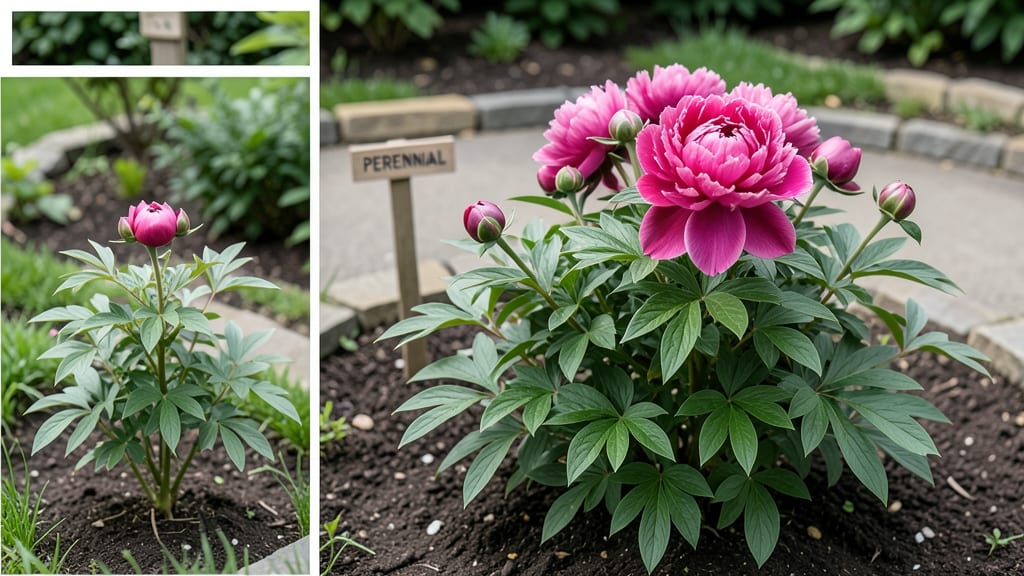
Perennial plants mean they return year after year from the same root system, living for three or more seasons without needing to be replanted. This makes them ideal for low-maintenance gardens since they regrow annually instead of completing their life cycle in one season.
When you plant a perennial, you're investing in long-term beauty and sustainability.
Unlike annuals that sprout, bloom, and die in a single season, perennials develop deep root systems that store energy, allowing them to survive harsh winters or dry spells. 🌱 This resilience means once established, they often require minimal care—just occasional pruning and mulching to protect their roots.
Think of them as the reliable workhorses of your garden, providing color and structure for decades with the right conditions.
Many gardeners love perennials because they reduce yearly planting costs and create cohesive landscapes. For example, lavender thrives in dry climates, while hostas flourish in shaded areas—both returning stronger each spring.
The key to their success lies in understanding their specific needs, from sunlight exposure to soil type, which ensures they'll keep coming back season after season.
💡 In This Article
- How Perennial Plants Survive Through Seasons
- Best Perennial Plants for Gardens and Landscapes
How perennial plants survive through seasons
The secret to a perennial's longevity lies in its sophisticated root system, which acts like a biological battery. Unlike annuals that focus energy on rapid above-ground growth and seed production, perennials invest heavily in developing extensive root networks that store carbohydrates (like starches and sugars) during the growing season.
These roots can extend 3-5 feet deep in some species, allowing them to access water and nutrients even during droughts. 🌱 For example, peonies develop thick, fleshy roots that store enough energy to push through frozen soil in early spring.
Perennials also master seasonal dormancy through specialized adaptations. In cold climates, many species produce underground storage organs like rhizomes (horizontal stems) or tubers that survive freezing temperatures.
The cells in these structures contain high concentrations of sugars that act as natural antifreeze, preventing ice crystal formation that would damage plant tissues.
In contrast, annuals allocate all their energy to flowering and seed production before dying, while biennials take two years to complete their life cycle—first storing energy in leaves, then flowering. This fundamental difference explains why perennials can return stronger each year.
The ability to regenerate from the same root system gives perennials a competitive edge in challenging conditions. For instance, coneflowers (Echinacea) develop deep taproots that can reach 2-3 feet underground, making them drought-resistant once established.
Their root systems also release beneficial microbes that improve soil structure over time, creating a self-sustaining ecosystem. This contrasts sharply with annuals like marigolds, which must be replanted every year and don't contribute to long-term soil health.
Seasonal changes trigger remarkable biological processes in perennials. As temperatures drop, many species undergo a form of hibernation where metabolic activity slows dramatically. Some even produce protective compounds that prevent root rot during winter moisture.
In spring, these stored nutrients fuel rapid regrowth, often producing more vigorous foliage than in previous years—a phenomenon called "rejuvenation." This cycle explains why established perennials like lavender can thrive for decades with minimal intervention, while annuals require complete replanting each season.
What makes perennials particularly fascinating is their ability to adapt to local climate patterns over generations. For example, in Mediterranean climates, lavender has evolved to thrive with hot, dry summers and mild winters by developing silvery leaves that reflect sunlight and reduce water loss.
Meanwhile, in temperate zones, hostas store energy in their thick rhizomes to survive freezing temperatures. These adaptations demonstrate how perennials have perfected the art of energy conservation and regeneration, making them the ultimate survivors in the plant kingdom.