
Plants
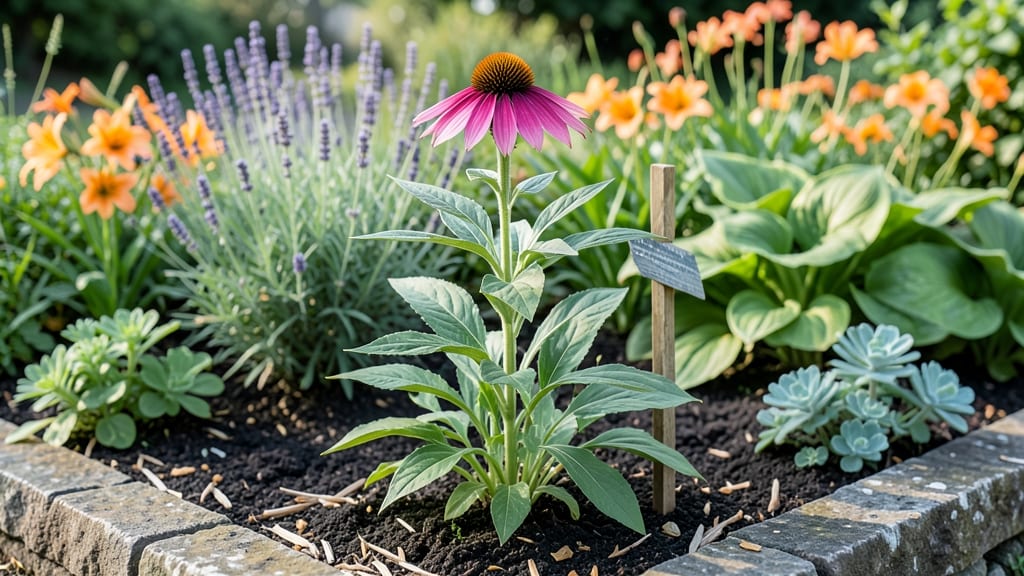
Perennials are plants that return each growing season from their established root systems, unlike annuals that live only one year. Their ability to persist through multiple seasons makes them ideal for long-term garden design and low-maintenance landscapes.
These hardy plants thrive because they store energy in their roots during dormant seasons, allowing them to push new growth when conditions improve. 🌱 Unlike annuals that must be replanted yearly, perennials establish deep root networks that anchor them through harsh winters or dry spells, making them both resilient and cost-effective for gardeners.
The trade-off? They often take time to reach full maturity, but once established, they reward you with years of color and structure.
Think of perennials as the reliable friends of the plant world—they might take a little longer to show their best side, but they stick around for the long haul. Whether you're designing a cottage garden or a modern landscape, their seasonal adaptability makes them the backbone of sustainable gardening practices.
💡 In This Article
- How Perennial Plants Survive Through Seasons
- Choosing and Caring for Perennial Plants in Gardens
How perennial plants survive through seasons
The secret to perennials' longevity lies in their sophisticated root systems, which function like underground energy banks. Unlike annuals that invest all their resources into a single growing season, perennials develop deep, fibrous roots that store carbohydrates, nutrients, and water.
For example, peony roots can grow 3-4 feet deep, while daylilies develop extensive rhizomes that spread horizontally. These root structures allow them to draw moisture from deep soil layers during droughts and store enough energy to fuel regrowth after winter dormancy.
Seasonal adaptations are equally impressive. Most perennials enter a state called dormancy when temperatures drop below 40°F, slowing their metabolic processes to conserve energy. Some, like hostas, produce underground tubers packed with starches, while others, such as coneflowers, develop woody stems that insulate their growing points.
The timing of dormancy varies by species—woody perennials like lavender may stay dormant until late spring, while herbaceous types like bee balm often wake up as soon as soil temperatures reach 50°F. This precise timing ensures they don't waste energy too early in cold climates.
What truly sets perennials apart is their ability to balance growth and survival. During active seasons, they allocate resources to both above-ground foliage and below-ground storage. For instance, a 3-year-old black-eyed Susan might allocate 60% of its energy to flowering while still building root reserves.
This dual focus explains why established perennials can rebound from heavy pruning or even frost damage—unlike annuals that would perish under similar stress. The trade-off? Their first year often focuses on root development rather than showy blooms, which is why gardeners are advised to be patient with new plantings.
Climate plays a crucial role in determining which perennials thrive. Hardy varieties like Russian sage (perennial salvia) can survive -30°F winters, while tropical perennials such as cannas require 50°F minimum temperatures.
The key adaptation is often a combination of root insulation and water regulation—some perennials produce anti-freeze proteins similar to those in cold-hardy fish, while others develop thick, waxy leaves to prevent moisture loss during dry spells.
This biological versatility is what allows perennials to dominate landscapes from Zone 3 (Alaska) to Zone 11 (Florida).
Consider the contrast with annuals: they complete their entire lifecycle in one season, producing seeds before dying. Perennials, however, prioritize root health over reproduction in their early years.
A 5-year-old daylily might produce 10 times more flowers than a first-year plant because it has spent those years building a robust root system. This delayed gratification is the price of their long-term reliability in gardens.
For gardeners, understanding these mechanisms translates directly to care strategies. Planting perennials at the right depth—typically 2-3 times deeper than their root balls—ensures their storage organs aren't exposed to temperature fluctuations.
Mulching with 3-4 inches of organic material (like shredded leaves) mimics natural soil conditions, helping roots maintain consistent temperatures year-round. These practices aren't just about aesthetics; they're about supporting the biological processes that make perennials the garden workhorses they are. 🌿