
Flowers
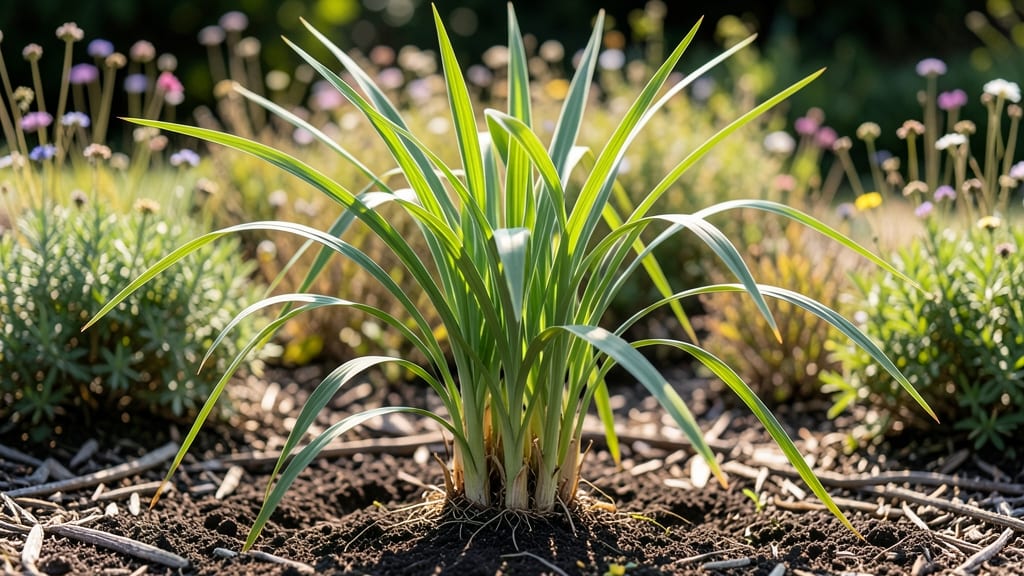
Whether lemongrass grows as an annual or perennial depends entirely on your climate—it thrives as a hardy perennial in tropical zones but dies back to the ground in freezing temperatures, requiring annual replanting in colder regions.
Lemongrass's behavior hinges on its thick, fibrous rhizome system, which stores energy underground to regrow each season in warm climates. 🌱 In areas where temperatures drop below 25°F, these roots freeze, forcing gardeners to replant from cuttings or store stalks in water.
The plant's true lifespan isn't fixed—it's a survival strategy that adapts to your local growing conditions. For example, in Florida's frost-free winters, lemongrass can live for years, while Midwestern gardeners treat it as an annual despite its perennial tendencies.
This dual nature makes lemongrass incredibly versatile—you can enjoy its citrusy flavor year-round by either overwintering cuttings indoors or replanting fresh stalks each spring. The key is understanding your hardiness zone and giving the rhizomes the right conditions to thrive (or survive) through seasonal changes.
💡 In This Article
- Lemongrass Root System: Why It Acts Perennial in Warm Climates
- Growing Lemongrass as an Annual in Cold Climates: Essential Tips
Lemongrass root system: why it acts perennial in warm climates
Lemongrass's perennial behavior in tropical zones comes from its specialized rhizomatous root system, a network of thick, fibrous roots that store starches and nutrients underground. These rhizomes grow horizontally, spreading 12-18 inches below the surface, allowing the plant to regenerate from even small root fragments.
In frost-free climates like Thailand or Hawaii, these roots continue growing year-round, producing new shoots when conditions are optimal.
The magic happens in how these rhizomes function as natural survival tanks. Studies show lemongrass rhizomes can store enough energy to sustain regrowth for 3-5 years without above-ground growth, similar to how ginger behaves.
The roots' waxy coating also helps retain moisture in sandy or well-draining soils common in tropical regions, where rainfall patterns might be unpredictable. 🌿 This underground resilience explains why lemongrass in Florida can live for decades while maintaining its vibrant citrus aroma and medicinal properties.
Temperature tolerance is the critical factor distinguishing perennial from annual behavior. Lemongrass rhizomes begin dying when exposed to below 25°F temperatures, as the cell membranes rupture from ice crystal formation. The plant's natural range (tropical Asia) never experiences these conditions, which is why it's classified as a true perennial there.
In contrast, the same plant in USDA Zone 5 would experience below-zero temperatures that kill the rhizomes entirely, forcing annual replanting.
What's fascinating is how this root system affects the plant's growth cycle. In tropical climates, lemongrass grows continuously, producing new stalks every 6-8 weeks from the same root base. The stalks themselves are actually modified leaves (cladodes) that store additional nutrients.
This contrasts sharply with temperate-zone behavior where the entire plant must regrow from cuttings each spring, as the original rhizome mass perishes.
For gardeners in marginal climates (like Southern California), this creates a hybrid scenario where lemongrass might survive mild winters but still require protection. The rhizomes can tolerate brief dips to 28°F if mulched heavily, but prolonged cold will still kill them.
This explains why some growers treat it as a "semi-perennial" - it behaves perennially in ideal conditions but dies back annually in less forgiving climates.
The botanical classification gets even more interesting when comparing lemongrass to its close relatives. While it's technically a monocot (like grasses), its rhizomatous growth pattern is more similar to herbaceous perennials like mint or horseradish.
The key difference is lemongrass's tropical origin means it lacks the cold-hardiness adaptations found in temperate perennials. 💫