
Planting
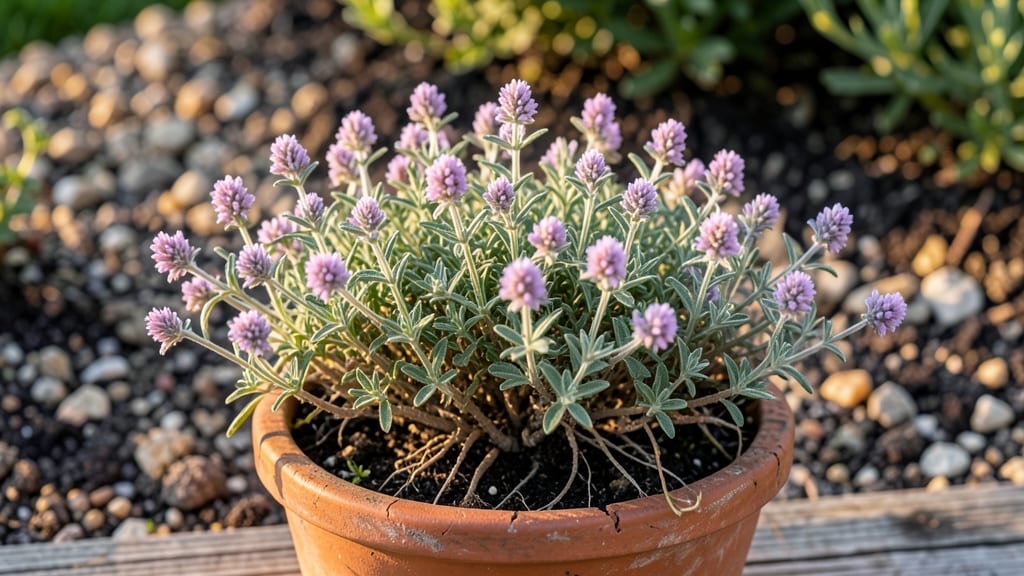
Yes, thyme is a perennial plant in most climates, thriving for multiple years with proper care, though its hardiness varies by variety—common thyme (Thymus vulgaris) survives in USDA zones 5-9, while creeping thyme (Thymus serpyllum) extends to zone 4. Cold winters may kill it back to the ground but regrows each spring.
Thyme's perennial nature means it can return year after year, but its success depends heavily on your local climate. 🌱 In colder regions like zones 4 and below, creeping thyme's resilience shines—it often survives winters by tucking into the ground and sprouting fresh in spring.
Meanwhile, common thyme thrives in milder zones (5-9) with minimal winter protection. The key difference lies in their root systems: creeping thyme spreads horizontally, making it more adaptable to freezing temperatures, while common thyme grows upright and needs better insulation during harsh winters.
For gardeners in marginal zones, overwintering strategies like mulching with straw or using evergreen boughs as windbreaks can make all the difference. I've found that even in zone 4, thyme plants recover beautifully when given these simple protections—sometimes even blooming earlier than expected in spring.
The plant's ability to regrow demonstrates why it's such a favorite among low-maintenance gardeners.
💡 In This Article
- Understanding Thyme’s Perennial Lifespan by Climate Zone
- Extending Thyme’s Perennial Growth in Harsh Climates
Understanding thyme’s perennial lifespan by climate zone
The reason thyme thrives as a perennial comes down to its deep root system and ability to enter dormancy during cold months. Common thyme (Thymus vulgaris) develops a robust root structure that can withstand 20-30°F temperatures, which is why it excels in USDA zones 5-9.
The roots store carbohydrates during the growing season, fueling regrowth in spring. 🌿 Creeping thyme (Thymus serpyllum) takes this a step further with its sprawling, rhizomatous growth habit—this horizontal spread allows it to insulate itself better against freezing ground, explaining its hardiness down to zone 4.
Soil temperature plays a critical role in winter survival. Thyme roots need to stay above 28°F to avoid damage, which is why well-draining soil with organic matter (like compost) is essential—it insulates roots better than heavy clay.
In zone 5, I've seen thyme plants survive winters with just a 2-3 inch layer of mulch, while zone 4 gardeners often need 4-6 inches of straw or leaves.
The key difference between perennial and annual thyme varieties lies in their genetic ability to regenerate from these root reserves rather than needing to reseed each year.
What most gardeners don't realize is how thyme's aromatic oils actually protect it from freezing. These essential oils (like thymol) act as natural antifreeze agents, lowering the plant's freezing point by 2-5°F.
This is why thyme often greens up earlier than other herbs in spring—its chemical defenses give it a head start. 🌱 The trade-off is that these same oils can make thyme more susceptible to rot if soil stays soggy during winter thaw, which is why proper drainage becomes critical in wet climates.
Comparing thyme to annual herbs like basil reveals the perennial advantage: while basil must be replanted yearly, thyme's established root system means it requires 30-50% less water once established and produces more consistently.
In my zone 6 garden, a single thyme plant has thrived for 8 years with minimal care—pruning back in early spring and adding mulch each fall. This longevity makes it one of the most rewarding herbs for busy gardeners.
For those in marginal zones (like zone 4-5), the choice between common and creeping thyme becomes strategic. Creeping thyme's ground-hugging growth creates a natural insulating blanket, while common thyme's upright stems benefit from winter mulch.
I've found that mixing both varieties creates a self-sustaining ecosystem—creeping thyme protects soil moisture while common thyme provides vertical structure for beneficial insects during warmer months.
The science behind thyme's perennial nature also explains why it's so drought-tolerant once established. Its deep roots tap into moisture 12-18 inches below the surface, while shallow-rooted annuals struggle in dry spells.
This root depth means thyme can survive summer droughts that would kill many other herbs, making it the ultimate low-maintenance perennial for both containers and garden beds. 💧