
Flowers
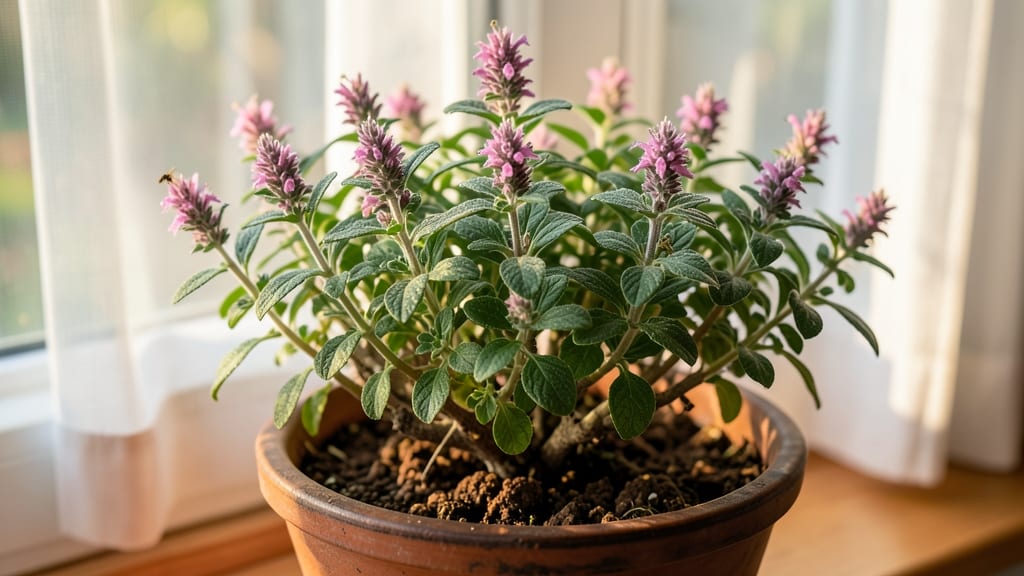
Yes, oregano is a perennial herb that dies back in winter but regrows from its root system when temperatures warm, thriving in USDA zones 5-9 with proper winter protection or in milder climates year-round.
This hardy herb's ability to bounce back each spring comes from its deep root system, which stores energy underground during dormancy. 🌱 Unlike annuals that die completely, oregano's roots remain alive even under snow, ready to push new growth when soil temperatures rise above 50°F.
In colder zones, mulching with straw or leaves can protect roots from extreme cold, while container-grown plants offer flexibility to move indoors during harsh winters.
What makes oregano uniquely resilient is its ability to regenerate from just a few inches of stem left after winter dieback. This means even if your plant looks completely dead in late winter, patience pays off—new shoots typically emerge within 3-4 weeks of consistent warmth.
For gardeners in zones 4 or colder, choosing cold-hardy varieties like Greek oregano gives you the best chance of survival through winter.
💡 In This Article
- How Oregano Survives Winter Through Root Regrowth
- Cold-Climate Oregano Care: Mulching, Pruning, and Overwintering Tips
How oregano survives winter through root regrowth
Oregano's perennial nature relies on its deep, fibrous root system that stores carbohydrates like starches and sugars during the growing season. These energy reserves fuel regrowth when temperatures rise in spring.
Unlike annuals that complete their life cycle in one season, oregano's roots remain dormant but alive underground, even when above-ground growth dies back completely in frost. This process is called dormancy, where metabolic activity slows dramatically to conserve energy while still maintaining cellular integrity.
The root system typically extends 12-18 inches deep, allowing it to access moisture and nutrients from lower soil layers where temperatures remain more stable. Cold-hardy varieties like Origanum vulgare (common oregano) can survive down to -20°F when properly protected, while Mediterranean varieties may struggle below 10°F.
The key difference lies in their genetic adaptations—northern varieties have thicker root crowns and more efficient energy storage mechanisms. 🌱
What's fascinating is how oregano's regrowth mechanism works: when soil temperatures reach 50-55°F, the root system activates growth hormones that trigger new shoot formation from dormant buds at the base. This is why you'll often see fresh green growth appearing even before the last frost has passed.
The plant prioritizes root development first, which is why early spring growth may look sparse but is actually establishing a strong foundation for the season.
Light exposure also plays a crucial role during dormancy. Oregano roots continue limited photosynthesis through chlorophyll in their stems, supplementing the energy stored underground. This explains why even heavily pruned plants can regrow—those remaining stems contain enough photosynthetic capacity to sustain the root system until full regrowth begins.
In contrast, heavily shaded oregano plants may struggle to regenerate because their energy reserves deplete faster.
One common misconception is that oregano must have visible green growth to survive winter. In reality, the plant's vitality is determined by its root health, not above-ground appearance.
You can test this by gently digging near the base in late winter—healthy roots will be firm and white, while stressed roots appear shriveled or dark. This underground assessment is often more reliable than judging by the plant's winter appearance. 💫
The timing of regrowth varies by climate: in zone 5, you might see first shoots in early April, while zone 9 plants could begin regrowing as early as February.
The 3-4 week window mentioned in the quick answer refers to the typical timeframe from when soil reaches 50°F to visible new growth, though this can vary by 7-10 days depending on specific weather patterns and oregano variety.
For gardeners in marginal climates, understanding this root-driven regrowth process is crucial. It explains why even severely frost-damaged plants can recover completely—because their life force remains alive and active below the soil surface, patiently waiting for the right conditions to re-emerge.
This biological resilience is what makes oregano such a rewarding perennial for patient gardeners. ✨