
Flowers
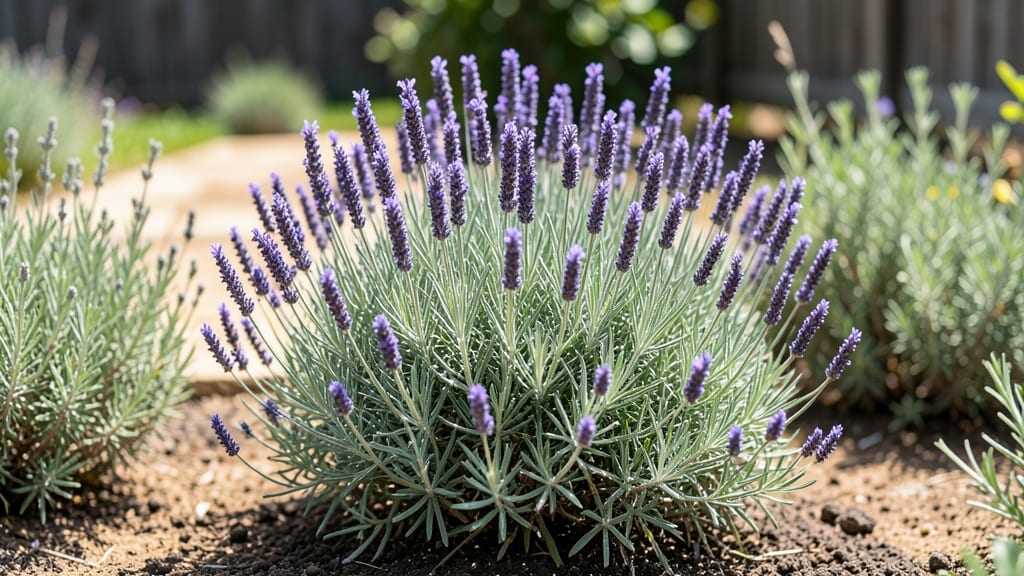
Yes, Munstead lavender is a perennial that dies back to the ground each winter but regrows from its root system in spring, thriving in USDA zones 5-9 with proper winter care. Cold hardiness varies by cultivar, and severe dieback may occur in zone 4 or below without protection.
Munstead lavender's perennial nature means it goes dormant in winter, losing its above-ground growth but keeping its roots alive underground. 🌱 This hardy plant typically thrives in zones 5-9, though some cultivars can handle colder temperatures with protection.
The key to its survival lies in the robust root system that stores energy for spring regrowth, making it a resilient choice for gardeners in cooler climates.
What sets Munstead apart is its ability to bounce back each spring, provided the roots aren't frozen solid. In zone 4 or colder, you'll need to take extra steps like heavy mulching or winter wrapping to prevent severe damage.
I've found that even in harsh winters, with the right care, Munstead lavender can return stronger than ever.
💡 In This Article
- How Munstead Lavender Survives Winter: Root System and Dieback Science
- Cold Climate Lavender Care: Mulching, Pruning, and Zone 4+ Protection Tips
How Munstead lavender survives winter: root system and dieback science
Munstead lavender's winter survival strategy relies on its woody root crown and extensive root system, which store carbohydrates and nutrients throughout the growing season.
Unlike annuals that complete their life cycle in one year, this herbaceous perennial enters dormancy when temperatures drop below 40°F, causing the above-ground stems to brown and die back.
The key is that while the stems may appear dead, the cambium layer (growth tissue) in the roots remains active, protected by insulating soil.
The root system extends 12-18 inches deep and can spread 2-3 feet wide, creating a network that regulates moisture and temperature. This underground structure acts like a battery, storing up to 20% starch reserves during summer growth to fuel spring regrowth.
What's fascinating is how the roots produce antifreeze proteins that lower their freezing point by 5-10°F, allowing them to survive brief cold snaps down to 10°F without damage.
Temperature thresholds are critical: sustained exposure below -10°F risks root damage, while prolonged sub-zero conditions can kill the crown entirely. This explains why Munstead thrives in zones 5-9—its natural range where winter lows rarely drop below -15°F.
In colder zones, the lack of snow cover becomes the biggest threat, as exposed soil conducts cold more efficiently than air.
Mulching works because it creates an insulating air pocket around the crown, reducing temperature fluctuations by 10-15°F. Organic mulches like straw or pine needles also improve soil structure, preventing waterlogging that could rot roots.
The science shows that a 4-inch mulch layer can raise soil temperatures by 5-8°F during winter, making all the difference in marginal climates.
What most gardeners don't realize is that lavender's dieback isn't just about temperature—it's also about photosynthesis timing. The plant stops producing chlorophyll in fall, but the roots continue metabolizing stored sugars until spring.
This metabolic slowdown is what allows the roots to survive winter without starving. When spring arrives and soil temperatures reach 50°F, the roots begin synthesizing new growth hormones that trigger shoot emergence.
For visual learners, think of Munstead lavender like a dormant tree: the branches (stems) die back, but the trunk (roots) remains alive and ready to sprout new leaves when conditions improve. This dual-phase growth pattern is what makes it a true perennial rather than a self-seeding annual.