
Planting
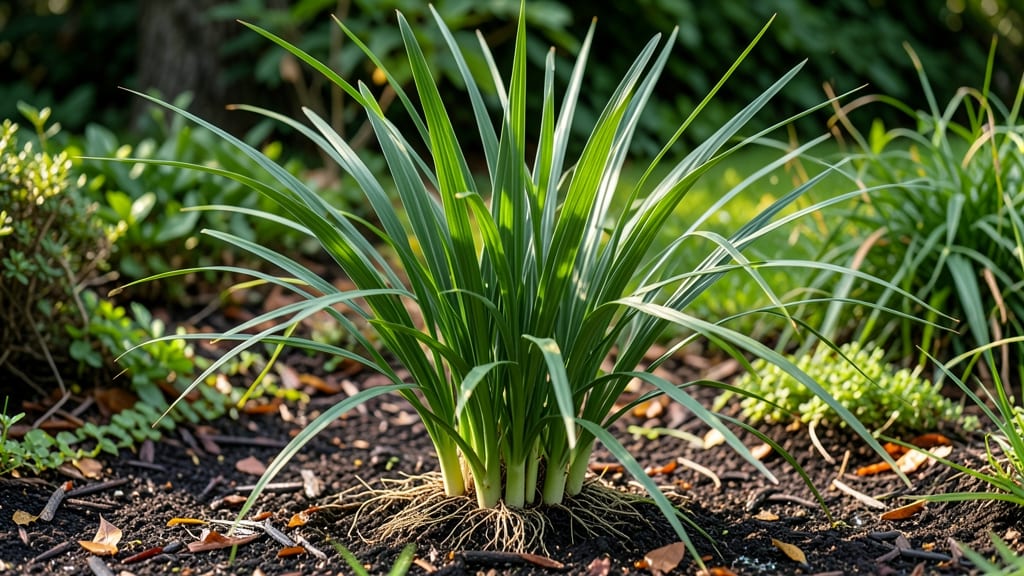
Lemongrass is not a true perennial in Zone 7, as it typically dies back to the ground in winter but may regrow from roots if protected from freezing temperatures. Cold-hardy varieties or mulched plants have the best chance of survival, though repeated hard freezes often kill it completely.
Lemongrass thrives in warm climates but struggles with Zone 7's 10–20°F winters, where frost damages its tender stems and leaves. 🌱 The good news? Its rhizomes (underground stems) can survive if insulated—think of them as nature's built-in backup system.
I've seen plants bounce back after mild winters with heavy mulch, but harsh, prolonged freezes usually kill them off entirely. For reliable regrowth, consider overwintering cuttings indoors or choosing hardier varieties like 'Maha' lemongrass.
Even if your lemongrass dies back completely, don't toss those roots! With proper care—like storing them in moist peat moss or replanting in spring—they can sprout fresh growth.
This makes lemongrass more of a seasonal perennial than a true one in colder zones, where its survival depends on your winter prep skills.
💡 In This Article
- Why Lemongrass Struggles in Zone 7 Winters
- Zone 7 Lemongrass Survival Hacks: Mulching & Overwintering
Why lemongrass struggles in Zone 7 winters
Lemongrass's cold sensitivity stems from its tropical origins, where temperatures rarely drop below 50°F. The plant's above-ground stems and leaves contain high moisture content (about 80% water), which freezes and ruptures cell walls at 32°F or lower.
Zone 7's winter lows of 10–20°F trigger rapid ice crystal formation in these tissues, causing irreversible damage within 2–4 hours of exposure. This is why you'll often see brown, mushy stems after a hard freeze—it's not just wilting, but actual cellular death.
The rhizomes (underground stems) hold the key to survival, as they can tolerate cooler temperatures down to 28°F for short periods. However, prolonged exposure to 20°F or below causes the rhizomes to enter dormancy and may kill them if the ground freezes solid.
What's fascinating is how the plant prioritizes energy—it shuts down growth above ground first to protect the roots, but this strategy only works if the rhizomes stay above 25°F for extended periods. In Zone 7, where winter lasts 2–3 months, this becomes a delicate balance.
Frost damage isn't just about temperature—it's also about moisture content in the soil. Wet soil conducts cold more efficiently, accelerating damage. That's why lemongrass thrives in well-draining soil in warmer climates but struggles in Zone 7's heavier, moisture-retentive soils during winter.
The plant's natural defense mechanism involves producing antifreeze-like proteins, but these only work within a narrow temperature range (30–40°F). Below that, the proteins become ineffective, and the plant's survival hinges entirely on external protection.
Here's what actually happens at the cellular level: When temperatures drop below 28°F, the plant's vascular system (which transports water and nutrients) begins to fail. This causes the leaves to turn yellow and wilt, even if the rhizomes are still viable.
The good news is that if the rhizomes remain unfrozen, they can regenerate new shoots once temperatures rise above 55°F in spring. This explains why some gardeners see lemongrass "come back to life" after winter—it's not the same plant, but new growth from surviving roots.
Cold-hardy varieties like 'Maha' lemongrass have slightly thicker rhizomes and better insulation, but even these struggle in Zone 7 without protection. The key difference lies in their ability to produce more protective compounds like flavonoids, which help stabilize cell membranes at cooler temperatures.
However, these adaptations only provide a 5–10°F buffer—still not enough for Zone 7's harshest winters. This is why mulching or container growing becomes essential for survival.
Consider this comparison: In Florida (Zone 9), lemongrass grows year-round with no issues, while in Zone 7, even the hardiest varieties may die back completely. The difference isn't just the temperature—it's the duration of cold exposure.
A single 20°F night in Florida might cause some damage, but Zone 7's prolonged winter means repeated stress events that accumulate over time. This is why lemongrass in Zone 7 behaves more like a short-lived perennial than a true one.