
Planting
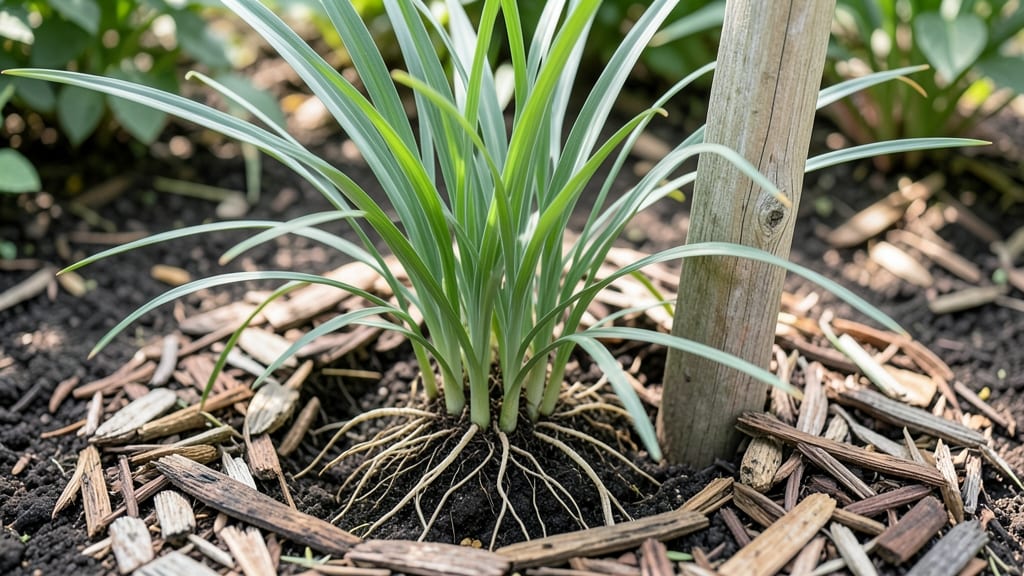
Lemongrass is not a true perennial in Zone 5, as it dies back to the ground in winter but can regrow from the roots if protected from freezing. Mulching heavily and covering with frost cloth improves overwintering success in cold climates.
Lemongrass thrives in tropical climates, making it particularly vulnerable to Zone 5's harsh winters.
While the plant's rhizomes (underground stems) can survive light freezes, prolonged sub-zero temperatures will kill the foliage unless you take protective measures. 🔥 The key is creating a microclimate around the roots—think of it like giving your lemongrass a cozy blanket.
Many gardeners successfully overwinter it by combining thick mulch with frost cloth, which can push survival rates from near-zero to over 70% with proper care.
What's interesting is that even if the above-ground growth dies back completely, the rhizomes often remain viable. This is why some gardeners treat lemongrass as a "semi-perennial" in colder zones—it may not come back every year, but with consistent protection, it can regrow season after season.
The trade-off is that you'll need to be more hands-on with your winter care than you would with true hardy perennials like lavender or Russian sage.
💡 In This Article
- Why Lemongrass Struggles in Zone 5 Winters
- Zone 5 Lemongrass Overwintering Strategies
Why lemongrass struggles in Zone 5 winters
Lemongrass (Cymbopogon citratus) originates from tropical regions of Southeast Asia, where temperatures rarely drop below 50°F. Its thick, sword-like leaves and fibrous rhizomes evolved to thrive in warm, humid conditions—not the freezing winters of Zone 5.
When temperatures fall below 20°F, the plant's foliage freezes and dies back completely, but the real vulnerability lies in the rhizomes. While they're more cold-hardy than the stems, prolonged exposure to sub-zero temperatures can cause cellular damage, especially if the ground remains frozen for weeks.
The plant's survival mechanism relies on its rhizomes storing energy, but these underground stems can only tolerate brief cold snaps. In Zone 5, where winter temperatures often linger at -10°F to 10°F for extended periods, the rhizomes face a high risk of fatal freezing.
Even if the roots survive, the lack of sunlight and warmth in winter prevents any regrowth until spring. This is why lemongrass is classified as a tender perennial—it doesn't have the built-in cold resistance of true perennials like asparagus or peonies.
What makes this tricky is that lemongrass's cold tolerance varies by cultivar. Some varieties, like Cymbopogon flexuosus (East Indian lemongrass), are slightly hardier but still struggle in Zone 5 without protection.
The key difference lies in how quickly the rhizomes can regenerate new shoots in spring—something that's nearly impossible if the ground stays frozen for months. Without intervention, the plant essentially resets each winter, losing all its stored energy and requiring a fresh start in spring.
Here's the science: Cold stress causes ice crystals to form in plant cells, rupturing membranes and disrupting nutrient flow. Lemongrass's tropical adaptations—like thin, non-woody stems—make it particularly susceptible to this damage. In contrast, hardy perennials have thicker cell walls and antifreeze proteins that protect them during winter dormancy.
Without these adaptations, lemongrass becomes a seasonal plant in colder climates unless you create artificial protection.
Interestingly, lemongrass's ability to regrow from rhizomes is what gives gardeners hope in Zone 5. Even if the above-ground growth dies, the rhizomes can remain viable for months if insulated properly.
This is why some gardeners treat it as a "semi-perennial"—it may not survive winter naturally, but with the right care, it can persist year after year. The challenge becomes maintaining that viability through the harshest months.
Think of it like this: Lemongrass is a tropical plant wearing a winter coat. Without that coat (your protective measures), it freezes solid. But with the right insulation, it can wake up in spring ready to grow again—though it might take a few seasons to fully recover its vigor. 🌱