
Flowers
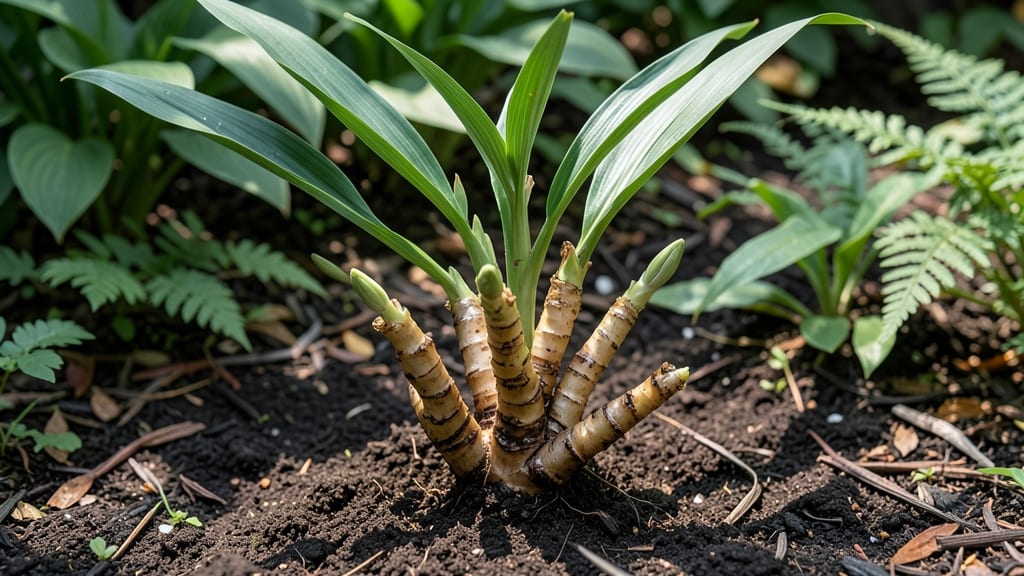
Yes, ginger is a perennial plant because it grows from a hardy underground rhizome that regenerates each year in warm climates, though it may die back in colder areas unless protected or replanted annually.
Ginger's perennial nature comes from its rhizome—a thick, horizontal root system that stores nutrients and energy.
This underground structure allows it to survive harsh conditions and regrow when temperatures rise again. 🌱 In regions with mild winters, ginger naturally returns year after year, but in colder climates, gardeners must either dig up and store the rhizomes or use protective mulching to encourage regrowth.
The key is understanding your local frost patterns and adjusting care accordingly.
What makes ginger unique is how it balances hardiness with sensitivity. While the rhizome itself can tolerate brief cold snaps, prolonged freezing will kill it. That's why many gardeners in temperate zones treat it as an annual, harvesting and replanting each spring.
However, with proper insulation or container growing, you can extend its lifespan significantly.
💡 In This Article
- How Ginger’s Rhizome System Determines Its Perennial Nature
- Growing Ginger as a Perennial in Cold Climates
How ginger’s rhizome system determines its perennial nature
The magic behind ginger's perennial status lies in its specialized rhizome—a modified stem that grows horizontally underground. Unlike taproots or fibrous roots, ginger rhizomes store carbohydrates, proteins, and growth hormones that allow the plant to survive dormant periods.
These rhizomes can reach 3-6 inches long and 1-2 inches thick, with nodes (growth points) spaced every 1-2 inches that can sprout new shoots when conditions improve.
Here's what happens biologically: When temperatures drop below 50°F (10°C), ginger's above-ground foliage yellows and dies back, but the rhizome remains alive underground. Inside these thick roots, stored starches convert to sugars that fuel regrowth when warmth returns.
The rhizome's protective layer of thick, waxy cells also prevents desiccation during dry periods. 🌱 This survival mechanism is similar to how turmeric (ginger's cousin) persists through seasonal changes, though turmeric rhizomes are slightly more cold-tolerant.
Temperature thresholds determine whether ginger behaves as a true perennial. In USDA zones 9-11 (where winters rarely drop below 20°F (-7°C)), ginger will naturally regrow each spring from existing rhizomes.
However, in zones 7-8, even light frosts (28-32°F / -2 to 0°C) can damage rhizomes, while zones 3-6 require active protection since temperatures often fall below 0°F (-18°C) for extended periods.
The rhizome's growth cycle follows a precise pattern: New shoots emerge from the topmost nodes when soil temperatures reach 60°F (15°C), typically in late spring. Meanwhile, the older rhizome segments (closer to the original planting point) continue storing nutrients.
This dual function—both storage and regrowth—is why ginger can persist for years in ideal conditions, with some gardeners reporting healthy plants lasting 5-7 years without replanting.
What most gardeners overlook is how rhizome size correlates with survival rates. Larger rhizomes (> 2 inches diameter) contain enough reserves to withstand 2-3 weeks of cold stress, while smaller ones may succumb to frost damage.
The rhizome's position also matters: Planting them 2-3 inches deep ensures they stay insulated by soil, protecting against temperature fluctuations near the surface.
Consider this comparison: In tropical climates like Hawaii or Thailand, ginger grows continuously as a true perennial with no dormancy. But in temperate zones like California or Georgia, it enters a semi-dormant state each winter.
The difference comes down to how consistently the rhizome can maintain its internal temperature above 45°F (7°C)—the threshold where metabolic processes stall but don't stop completely.