
Flowers
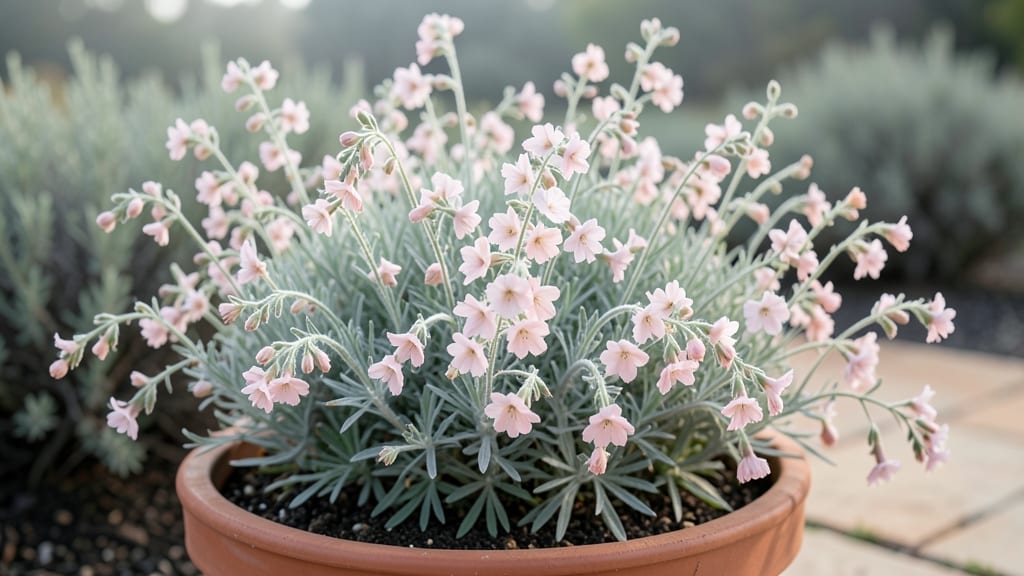
Yes, gaura is a perennial in most climates, thriving as a hardy plant that dies back to the ground in winter but regrows from its root system each spring, though some varieties may act as short-lived perennials in colder regions.
Gaura's perennial nature comes down to its ability to survive winter dormancy while maintaining a strong root system. 🌱 In warmer climates (USDA zones 6-10), it reliably returns year after year, while colder zones (5 or lower) may see some varieties behave more like annuals due to frost damage.
The key difference lies in how well the roots endure freezing temperatures—healthy roots mean new growth in spring, even if the foliage dies back completely.
This hardy behavior explains why gaura remains a favorite in cottage gardens and wildflower meadows. Many gardeners discover its charm when they plant it as an annual—only to be surprised when it pops back up the following spring.
The secret is in its deep root system, which stores energy for regrowth even after the top growth has been killed by frost.
💡 In This Article
- Gaura’s Cold Hardiness Zones and Winter Dieback Behavior
- How to Extend Gaura’s Lifespan in Cold Climates
Gaura’s cold hardiness zones and winter dieback behavior
Gaura’s perennial status hinges on its USDA hardiness zones 5-10 range, where it naturally enters dormancy when temperatures drop below 20°F. The plant’s survival strategy involves a deep root system that can tolerate freezing ground temperatures, allowing it to store carbohydrates and moisture for spring regrowth.
In zones 6-10, gaura reliably returns each year, while in zone 5, some varieties may struggle due to prolonged frost exposure that weakens root reserves.
The science behind gaura’s winter behavior lies in its cold acclimation process. As temperatures fall, the plant reduces leaf activity and redirects energy to its roots, where specialized cells produce antifreeze proteins similar to those found in hardy perennials like daylilies.
These proteins prevent ice crystal formation in root tissues, allowing the plant to survive -10°F to -15°F without permanent damage. However, extended exposure to below 0°F can kill back the foliage completely, though the roots often remain viable.
What makes gaura unique is its dieback-and-regrow cycle. Unlike evergreen perennials that retain foliage year-round, gaura’s stems and leaves turn brown and crispy in winter, but the roots stay alive just below the soil surface.
This adaptation conserves energy while protecting the plant’s core growth structures. In spring, when soil temperatures reach 50°F, the roots send up new shoots with remarkable speed—sometimes within just 2-3 weeks of thawing.
Some gaura varieties exhibit short-lived perennial behavior in colder climates (zone 4 or lower). For example, Gaura lindheimeri ‘Siskiyou Pink’ has shown better cold tolerance than hybrid cultivars, but even these may die back to the ground in harsh winters.
The difference often comes down to root depth—plants with roots extending 12-18 inches below the frost line have a better chance of surviving extreme cold than shallow-rooted specimens.
Gardeners in marginal zones often notice that gaura’s regrowth vigor depends on fall preparation. Plants that receive proper mulching (with 3-4 inches of organic material) enter winter with stronger root systems, while those left exposed may struggle to rebound.
The mulch acts as insulation, moderating soil temperature swings that can stress the roots during freeze-thaw cycles.
One fascinating aspect of gaura’s winter survival is its dormancy timing. Unlike spring-blooming bulbs that wait for specific temperature cues, gaura’s roots remain active until the first hard frost, allowing them to maximize carbohydrate storage.
This explains why gaura planted in late summer often establishes better root systems before winter than those planted in spring.
Understanding these mechanisms helps explain why gaura thrives in wildflower meadows but may disappoint in colder gardens. The key takeaway? Gaura’s perennial nature is all about root resilience—when the roots survive, the plant always comes back, no matter how thoroughly the tops appear to be dead. 🌱