
Flowers
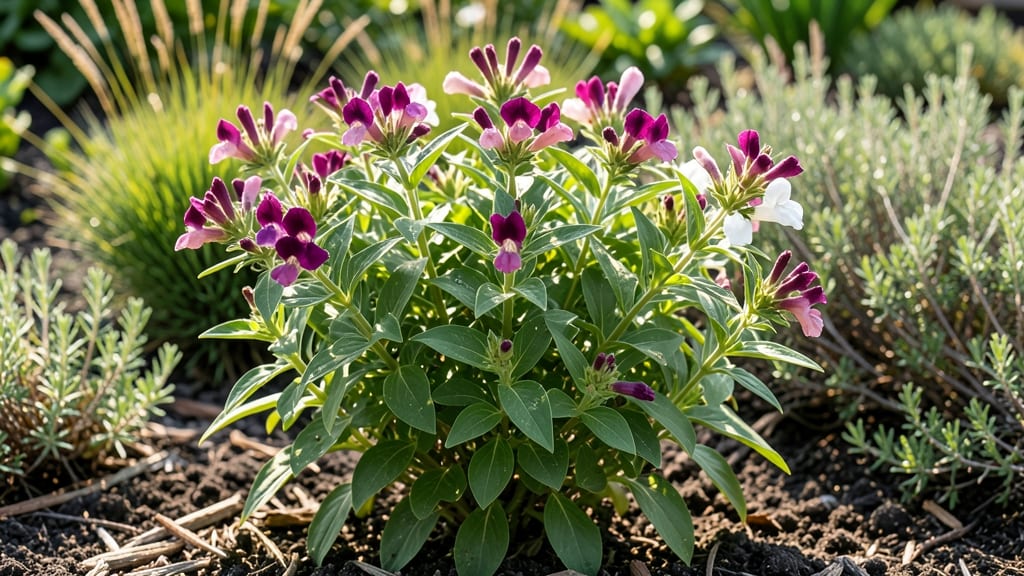
Is angelonia a perennial? It's not a true perennial in most climates but behaves as an annual or tender perennial, dying back in frost but often regrowing from roots in warmer zones like USDA 9-11. Its hardiness depends on winter temperatures and soil conditions.
Angelonia's behavior depends entirely on where you live.
In frost-free zones like Southern California or Florida, it thrives year-round, sending up fresh growth from its deep, fibrous roots as soon as temperatures rise. 🌱 However, in colder regions (USDA zones 8 and below), the plant's delicate stems freeze back completely, forcing gardeners to replant each spring.
The key difference lies in soil temperature—roots can survive 20°F if protected by mulch or containers, but stems need 50°F minimum to regrow.
What makes this plant so fascinating is its adaptability. While it won't survive harsh winters outdoors in most of the U.S., its ability to regrow from roots in mild winters makes it act like a short-lived perennial.
This is why many gardeners in borderline zones (like USDA zone 8b) treat it as a semi-perennial—planting it once and enjoying multiple seasons of blooms before winter kills it back.
💡 In This Article
- Angelonia’s Root System and Cold Hardiness Explained
- Extending Angelonia’s Lifespan: Overwintering Tips
Angelonia’s root system and cold hardiness explained
Angelonia’s survival strategy hinges on its fibrous root system, which stores energy and can regenerate new growth when conditions improve. Unlike true perennials with thick, woody roots (like peonies), angelonia develops a network of fine, shallow roots that spread horizontally.
These roots contain carbohydrate reserves—stored sugars and starches—that fuel regrowth when temperatures rise above 50°F in spring. The roots themselves can tolerate brief dips to 20°F, but prolonged exposure to 15°F or below triggers cell death, halting regrowth entirely.
The plant’s cold sensitivity stems from its tropical origins in South America, where it evolved in USDA zones 10-11 with stable, warm winters. In colder climates, the above-ground stems freeze solid, but the roots often remain viable if protected.
This is why you’ll see angelonia bounce back in zone 9 with minimal intervention—its roots have survived winter, waiting for warmth to restart growth. 🌱 In contrast, zones 8 and colder typically require replanting because the roots fail to regenerate due to deeper frost penetration.
Soil temperature plays a critical role here. Angelonia roots need the ground to warm to at least 55°F before attempting regrowth. In zone 8b, this can happen as early as February, while in zone 9, regrowth may begin in January.
The deeper the frost penetrates (often 6-12 inches in colder zones), the less likely the roots are to survive. This explains why angelonia thrives as a perennial in Florida or Southern California but struggles in New England or the Midwest.
Another key factor is the plant’s water content in roots. During winter, angelonia roots enter a dormant state, reducing metabolic activity to conserve energy. However, if the soil stays too wet or freezes solid, roots suffocate or rot before spring.
This is why well-draining soil is crucial—it prevents waterlogging, which can be just as deadly as frost. In ideal conditions (protected roots + 50°F+ soil), angelonia can regrow in 4-6 weeks, producing blooms by early summer.
For gardeners in borderline zones, understanding this root behavior is everything. If you’ve ever planted angelonia in zone 8a and seen it die back completely, it’s likely because the roots didn’t survive the winter’s 20°F+ nights.
But in zone 9, the same plant might return year after year with proper mulching. This is why angelonia is often called a "tender perennial"—it’s not built for harsh winters but can persist in mild ones with the right conditions.
Consider this comparison: In zone 10, angelonia acts like a true perennial, while in zone 8, it behaves like an annual. The difference isn’t the plant itself but the climate’s ability to protect its roots.
This adaptability is what makes angelonia so rewarding for gardeners willing to experiment with overwintering techniques. 💫