
Blooming
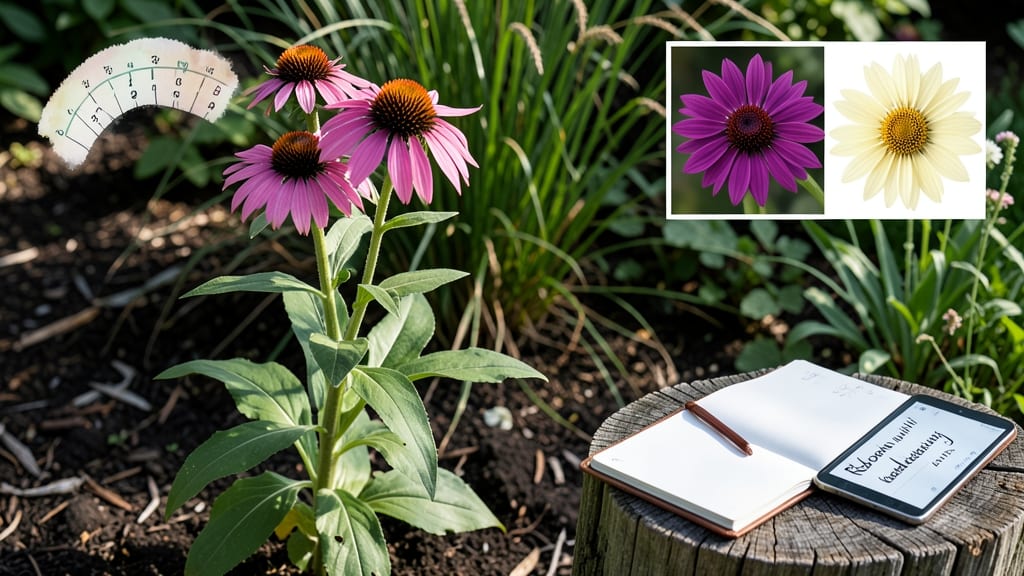
Perennials bloom annually or seasonally, with most flowering types producing blooms once per year during their peak growing season, though some varieties rebloom multiple times or sporadically depending on species and climate conditions.
Understanding how often perennials bloom helps you plan your garden for maximum beauty. Most perennials follow a predictable cycle, with spring and summer being the most common bloom periods. 🌸 For example, peonies typically flower just once in late spring, while coneflowers may rebloom if you deadhead spent flowers.
Climate plays a huge role—warmer regions often see extended bloom seasons, while colder areas might experience shorter, more intense bursts of color.
Some perennials, like daylilies, surprise gardeners with sporadic blooms throughout the season, while others, such as lavender, may bloom multiple times if given the right care. The key to encouraging frequent blooms lies in proper soil health, adequate sunlight, and regular pruning.
This way, you can enjoy a garden that stays vibrant longer than you might expect!
💡 In This Article
- Factors Influencing Perennial Bloom Frequency
- Perennial Bloom Schedules by Plant Type
Factors influencing perennial bloom frequency
Perennial bloom cycles are primarily governed by photoperiodism—the plant's response to daylight length. Most perennials rely on short-day conditions (longer nights) or long-day conditions (shorter nights) to trigger flowering.
For example, peonies, which bloom just once in late spring, respond to increasing daylight hours after winter dormancy, while daylilies may rebloom because they adapt to varying light exposure throughout summer.
Temperature also plays a critical role: many perennials require vernalization (a period of cold exposure) to break dormancy and initiate blooming. Without this, plants like hellebores may skip flowering entirely.
Soil nutrients, particularly phosphorus and potassium, directly impact bloom frequency by supporting energy-rich flower production. A soil test revealing low phosphorus (below 30 ppm) can stunt blooms, while balanced fertilizers with a 5-10-10 NPK ratio encourage repeat flowering.
Hydrangeas, for instance, thrive with acidic soil (pH 5.5-6.0) and consistent moisture, which allows them to produce vibrant blooms multiple times in a season. Conversely, drought stress can cause perennials like coneflowers to produce fewer, smaller flowers. 🌿
Plant maturity is another key factor—young perennials often delay blooming to establish roots, while established plants (typically 3-5 years old) devote more energy to flowers. For instance, lavender may take 2-3 years to reach full bloom potential but can then produce flowers twice annually if pruned correctly.
Even then, over-fertilizing with nitrogen can lead to lush foliage at the expense of blooms, as the plant prioritizes leaf growth over reproductive cycles.
Climate variations create exceptions to these rules. In USDA Zone 7, where winters are mild, some perennials like salvia may bloom continuously if given ideal conditions, while the same variety in Zone 4 might only flower once due to colder winters.
Heat waves can also disrupt blooming—temperatures above 90°F often cause daylilies to stop flowering until cooler weather returns. This is why gardeners in hot climates often plant heat-tolerant varieties like 'Stella de Oro' daylily, which reblooms reliably even in summer heat.
Pruning techniques further influence bloom frequency. Deadheading (removing spent blooms) encourages coneflowers and black-eyed Susans to produce secondary flowers, while shearing back perennials like catmint after their first flush can stimulate a second round of blooms.
The timing matters too—pruning too late in the season can cut off potential flower buds, while early pruning (just after blooming) promotes new growth. For example, cutting back Russian sage after its first bloom in early summer often results in a second flush of flowers by fall.
Finally, some perennials exhibit sporadic blooming due to their natural growth habits. Plants like foxglove or columbine may produce flowers only every 2-3 years, relying on energy reserves built during off-years.
This irregularity is often tied to seed production cycles—when a plant invests heavily in seeds one year, it may skip flowering the next. Understanding these patterns helps gardeners manage expectations and create balanced garden designs that account for both reliable and unpredictable bloomers.