
Blooming
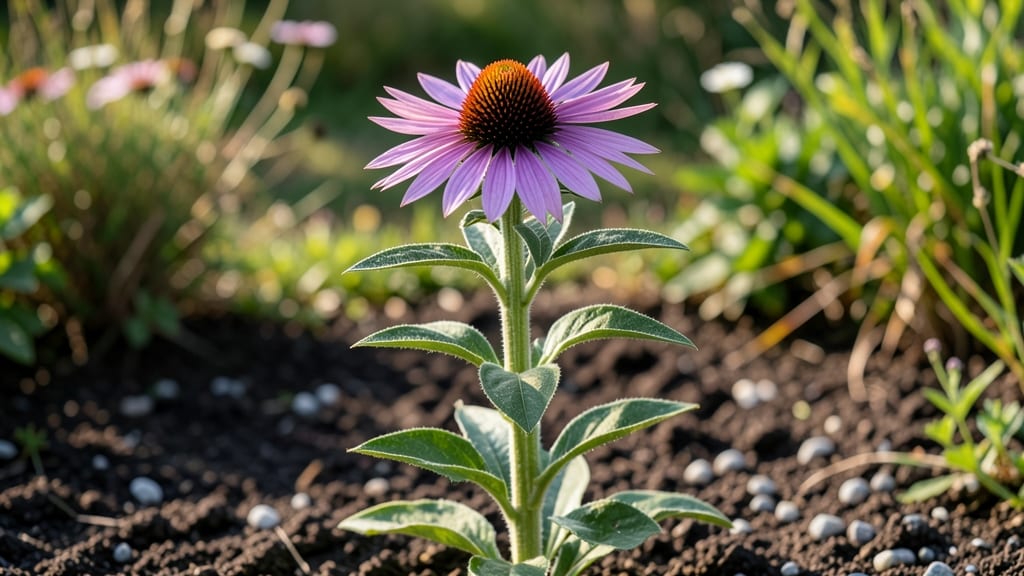
Late summer blooming perennials bring bold color to gardens from August through September, featuring hardy plants like coneflowers, black-eyed Susans, and sedum that handle heat well, support pollinators, and need little maintenance once established.
These plants shine when other flowers start to fade, offering vibrant blooms that attract bees, butterflies, and hummingbirds to your yard. 🌸 Many thrive in dry conditions thanks to deep root systems that store moisture, making them perfect for water-conscious gardeners.
I’ve found that pairing them with drought-tolerant ground covers—like creeping thyme—creates a low-maintenance, pollinator-friendly landscape that keeps blooming until frost.
What sets these perennials apart is their ability to handle late-season heat while still producing abundant flowers. For example, sedum varieties like 'Autumn Joy' develop striking crimson blooms in September, while bee balm continues flowering well into October with its tubular red or pink flowers.
This extended bloom time gives gardeners a second chance to enjoy summer color without the high upkeep of annuals.
💡 In This Article
- Why Late Summer Perennials Thrive in Heat
- Top 12 Late Summer Perennials for Pollinator Gardens
Why late summer perennials thrive in heat
Late summer perennials have evolved to capitalize on a critical window when many other plants start fading. Their secret weapon? Deep, fibrous root systems that can reach 3-5 feet underground, allowing them to tap into moisture reserves that shallow-rooted annuals can't access.
This adaptation explains why varieties like black-eyed Susan (Rudbeckia) and coneflower (Echinacea) remain vibrant even when temperatures hit 90°F+ and rainfall becomes scarce. The roots act like natural water storage tanks, releasing moisture slowly to sustain the plant during dry spells.
Their flowering strategy is equally clever. These perennials time their blooms to coincide with the declining daylight hours of late summer, when many other plants have already finished their cycles. This adaptation ensures they get maximum pollinator attention before winter sets in.
For instance, sedum varieties like 'Autumn Joy' produce dense flower clusters that attract bees and butterflies precisely when other nectar sources are dwindling. The plants' ability to photosynthesize efficiently in lower light conditions (compared to spring bloomers) makes them uniquely suited for this time of year.
What's fascinating is how their leaf structure helps them conserve water. Many late summer perennials develop thick, waxy leaves that reduce evaporation—a trait shared with succulents. For example, Russian sage (Perovskia) has silvery foliage that reflects sunlight while its deep roots pull moisture from deep soil layers.
This dual strategy allows it to thrive in full sun conditions where many other plants would wilt. The result? A plant that not only survives summer heat but actually flourishes in it.
Gardeners can leverage these natural advantages by choosing perennials with proven drought tolerance. Butterfly weed (Asclepias tuberosa), for instance, handles poor, dry soil while still attracting monarch butterflies. Its deep taproot makes it nearly self-sufficient once established.
Similarly, purple coneflower (Echinacea purpurea) produces 2-3 inches of new root growth annually, creating a robust network that sustains the plant through dry periods. The key is selecting varieties that match your local climate's heat intensity.
One often-overlooked benefit is how these perennials improve soil health over time. Their deep roots break up compacted soil, creating channels that allow water and air to penetrate more easily. This process, called biological tilling, benefits subsequent plantings.
For example, after a black-eyed Susan completes its cycle, the improved soil structure helps new plantings establish more quickly in the following spring. It's a natural way to build garden resilience without chemical amendments.
For maximum impact, pair these heat-lovers with mulch to further conserve moisture. A 3-inch layer of organic mulch (like shredded bark or straw) can reduce soil temperature by 5-10°F while slowing evaporation.
This simple technique mirrors the natural conditions these perennials evolved to thrive in—dry, sunny environments with minimal supplemental water. The result is a garden that stays vibrant with minimal effort while supporting local ecosystems.
What most gardeners don't realize is how these perennials' late-season blooms actually extend the growing season for pollinators. When other flowers have finished, varieties like bee balm (Monarda) provide critical nectar sources that help bees build up energy stores for winter.
The tubular flowers of bee balm are particularly effective at attracting hummingbirds, which need high-energy nectar as they prepare for migration. This ecological service makes these perennials far more valuable than their ornamental appeal alone.