
Companion Plants
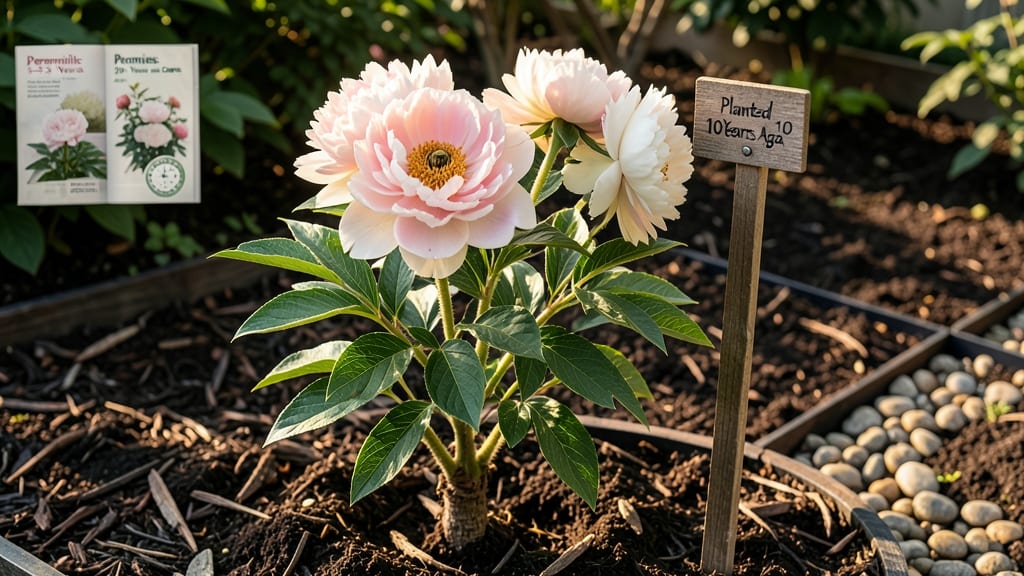
Perennial plants live for multiple growing seasons, typically ranging from 3 to 20+ years, depending on species, climate, and care. Some hardy perennials like peonies thrive for decades, while others may decline after 5–10 years with proper maintenance.
Perennial plants are the backbone of any long-term garden, offering beauty and function year after year. 🌿 Unlike annuals that complete their life cycle in a single season, perennials establish deep root systems that allow them to rebound annually, often for many years.
The lifespan varies dramatically—some, like hostas, may live for 15-20 years with minimal care, while others, such as certain grasses, can persist for 30+ years under ideal conditions.
What truly sets them apart is their ability to adapt and recover, making them a smart choice for both novice and experienced gardeners.
One key factor in their longevity is their natural resilience. Many perennials develop stronger root networks over time, which helps them withstand drought, temperature fluctuations, and even minor pest issues. 💫 This built-in durability is why they're often recommended for low-maintenance garden designs.
However, their lifespan can be significantly shortened by poor soil quality, improper pruning, or neglecting to divide overcrowded plants every few years.
💡 In This Article
- Factors Influencing Perennial Plant Lifespan
- Extending Perennial Plant Longevity with Proper Care
Factors influencing perennial plant lifespan
At the core of a perennial's lifespan is its genetic hardiness.
Some species, like the legendary peony, can live for 50-100 years with minimal intervention, thanks to their deep taproots that store nutrients and moisture. 🌱 In contrast, tender perennials such as canna lilies may only survive 3-5 years in colder climates because their root systems struggle to withstand freezing temperatures.
The difference lies in their evolutionary adaptations—hardy perennials developed mechanisms to endure harsh winters, while tropical varieties prioritize rapid growth over longevity in cooler conditions.
Climate plays a dramatic role in determining how long perennials thrive. For example, lavender in Mediterranean climates can live for 20+ years with consistent sunlight and well-drained soil, but in humid regions, it often succumbs to fungal diseases within 5-7 years.
Similarly, hostas flourish in shaded, moist environments for 15-20 years, but their lifespan drops to 5-10 years when exposed to harsh, dry conditions.
Soil pH also matters—azaleas require acidic soil (pH 4.5-6.0) to prevent nutrient deficiencies that shorten their lifespan to 10-15 years instead of the 20+ years they can achieve in ideal conditions.
Disease resistance is another critical factor.
Plants like coneflowers (Echinacea) naturally resist common fungal infections, allowing them to live for 10-15 years with minimal care. 🌼 However, perennials like daylilies can live for 20+ years but often decline faster due to their susceptibility to rust and crown rot if not properly spaced.
Even the most resilient perennials, such as black-eyed Susans, may only reach 5-7 years in poorly drained soil where root rot sets in. The key takeaway? Healthy soil and proper spacing are non-negotiable for extending a perennial's natural lifespan.
Water exposure also shapes longevity. Drought-tolerant perennials like sedum can survive for 10+ years with minimal irrigation, while moisture-loving iris may only thrive for 7-10 years if deprived of consistent watering.
The balance between overwatering (which causes root rot) and underwatering (which stresses the plant) is delicate—most perennials prefer 1-1.5 inches of water per week, including rainfall. Over time, improper watering weakens the root system, accelerating decline.
Finally, pollination and seed production can shorten a perennial's lifespan.
Plants like bee balm expend significant energy producing seeds, which diverts resources from root and leaf growth. 🐝 This energy drain can reduce their lifespan to 5-7 years compared to 10+ years for sterile cultivars that focus solely on vegetative growth.
Understanding these biological trade-offs helps gardeners choose perennials that align with their maintenance goals.
Consider these key factors when selecting perennials:
- Root depth: Deep-rooted perennials (e.g., peonies) live longer than shallow-rooted ones (e.g., pansies)
- Climate match: Native perennials (e.g., black-eyed Susans) adapt better than non-native species
- Soil drainage: Avoid waterlogged conditions for most perennials except moisture-lovers like astilbes
- Disease resistance: Prioritize hybrids bred for longevity (e.g., Knock Out roses)