
Size
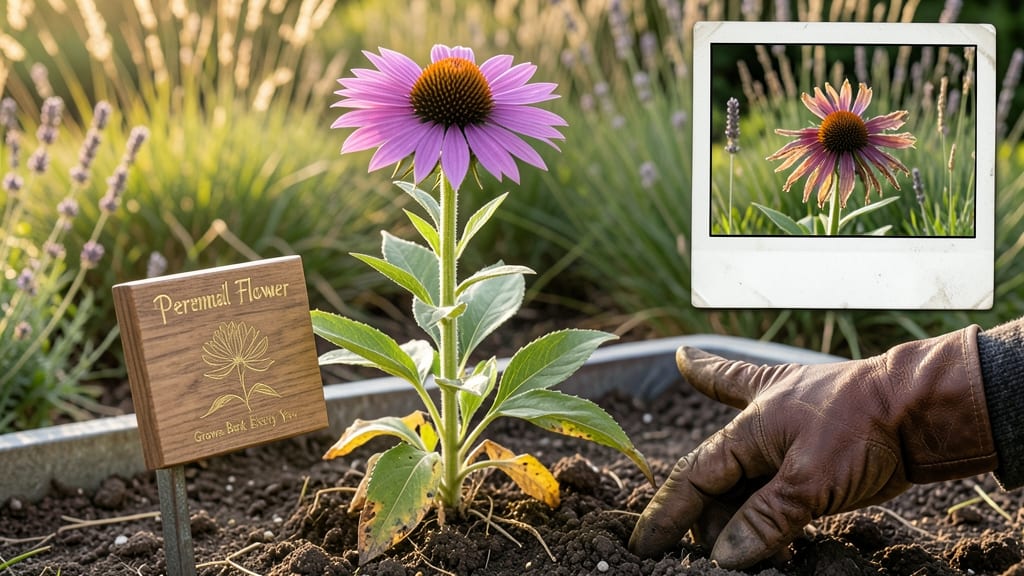
Perennial flowers do grow every year thanks to their underground root systems, which store nutrients and energy to fuel new growth above ground each season. Some varieties may appear dormant during winter but regenerate when conditions improve.
These hardy plants rely on specialized root structures like rhizomes or crowns to survive harsh conditions, storing carbohydrates during the growing season to power regrowth. 🌱 The key difference from annuals lies in their ability to persist through multiple seasons, though extreme cold or poor soil can weaken their resilience over time.
For example, peonies and daylilies often return stronger each year precisely because their roots remain active beneath the surface.
Understanding this natural cycle helps gardeners provide better care—like mulching in winter or avoiding over-pruning—which directly impacts how vigorously perennials rebound. The trade-off? While they require less frequent replanting than annuals, their long-term success depends on maintaining healthy root zones year-round.
💡 In This Article
- How Perennial Roots Ensure Year-After-Year Blooms
- Caring for Perennials to Maximize Longevity
How perennial roots ensure year-after-year blooms
The secret to perennial flowers' annual rebirth lies in their specialized root structures designed for survival. Unlike annuals that complete their life cycle in one season, perennials develop rhizomes (horizontal underground stems), tubers (thickened roots), or crowns (compressed stems) that store carbohydrates like starch and sugars.
These energy reserves can sustain the plant through dormancy—often during winter—when above-ground growth halts. For instance, a single daylily rhizome can store enough energy to produce 5-10 new shoots in spring, while peony crowns may contain up to 30% starch by weight at dormancy's peak.
The storage mechanism works like a biological battery: Perennials photosynthesize throughout the growing season, converting sunlight into glucose that gets transported to roots. There, enzymes convert glucose into insoluble starch, which remains stable even when temperatures drop below 32°F.
This process explains why perennials like coneflowers or black-eyed Susans can survive 10+ years with minimal intervention—their roots essentially "sleep" through winter while preserving energy. Climate plays a critical role here: In colder zones, plants may enter deeper dormancy, while milder winters allow some perennials to grow year-round.
Dormancy isn't passive—it's an active survival strategy. As temperatures fall, hormones like abscisic acid trigger root cells to reduce metabolic activity, while antifreeze proteins (similar to those in cold-hardy fish) prevent ice crystal formation. This biological "hibernation" can last 3-6 months depending on the species and location.
The trade-off? Some perennials, like bearded iris, may lose their leaves entirely, while others like lavender retain woody stems. Both strategies ensure the root system remains viable for regrowth when conditions improve.
What most gardeners overlook is how root depth correlates with longevity. Shallow-rooted perennials (like ajuga) may struggle in drought-prone areas, while deep-rooted varieties (such as Russian sage, with roots extending 3-5 feet) access moisture and nutrients year-round.
This explains why perennials in USDA Zone 5 (average -20°F winters) often thrive longer than those in marginal climates where roots freeze or dry out. The deeper the root system, the more resilient the plant becomes to environmental stress.
Consider the example of hostas, which store energy in thick, fleshy rhizomes containing up to 20% dry matter—a mix of starch, proteins, and lipids. When spring arrives, these rhizomes sprout new leaves within 7-14 days of soil temperatures reaching 50°F.
The speed of regrowth depends on how well the plant was cared for during its dormant phase: Proper mulching (with 3-4 inches of organic material) insulates roots, while overwatering in winter can lead to rot and energy loss.
This delicate balance between storage and expenditure is what determines whether a perennial will return stronger—or fade away.
The biological clock of perennials also involves vernalization, a process where cold temperatures trigger flowering genes. After 4-8 weeks of 35-50°F exposure, many perennials "know" it's time to bloom.
This explains why some varieties (like lupines) may skip flowering their first year but produce 50+ stems in subsequent seasons once their roots establish. The deeper the root system, the more robust this response becomes—making soil quality and root health the foundation of perennial success.