
Blooming
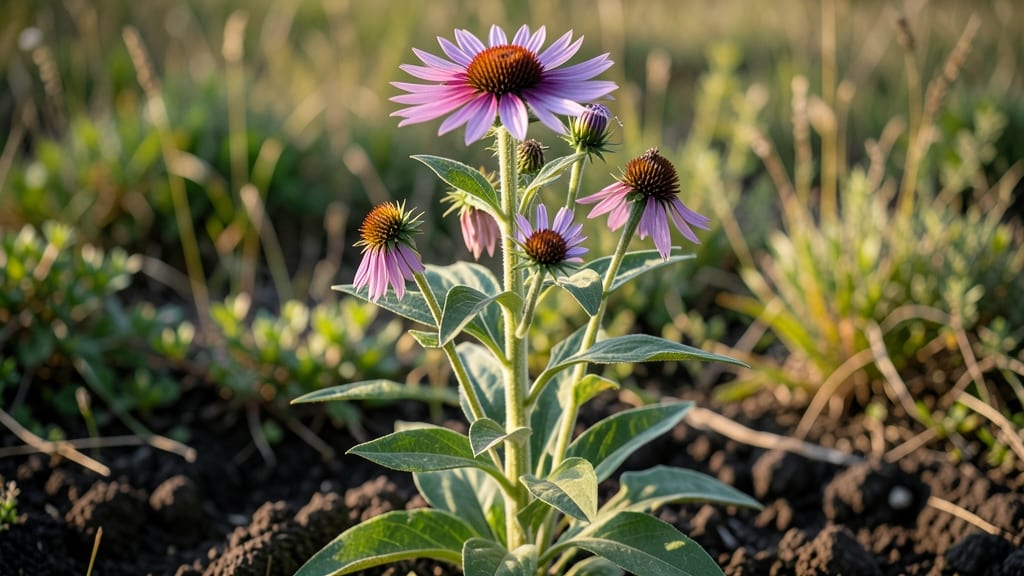
Perennial flowers last for multiple growing seasons, typically blooming annually for 3–5 years or longer with proper care, though some varieties like peonies thrive for decades while others like coneflowers rebloom seasonally with deadheading.
Understanding how long these plants last helps you plan your garden's long-term beauty. 🌸 Unlike annuals that complete their life cycle in one season, perennials develop deep root systems that allow them to survive winter dormancy and return each spring.
The key difference lies in their ability to regenerate from the same root base year after year, which is why proper soil preparation and seasonal maintenance can extend their lifespan significantly.
For example, peonies often live for 50+ years with minimal care, while daylilies may produce fewer blooms after 10 years without division.
What's interesting is how different varieties handle seasonal changes. Some perennials like black-eyed Susans produce one strong bloom cycle per year, while others like bee balm can rebloom multiple times with regular deadheading. This means your garden's perennial selection directly impacts both its seasonal interest and long-term maintenance requirements.
💡 In This Article
- Factors Influencing Perennial Flower Longevity
- Best Perennial Flowers for Long-Term Garden Beauty
Factors influencing perennial flower longevity
Perennial flowers thrive because their deep root systems store energy and nutrients underground during dormancy, allowing them to regenerate each spring.
Unlike annuals that complete their life cycle in one season, perennials develop taproots or fibrous root networks that can extend 3-5 feet deep, accessing moisture and minerals even in drought conditions. For example, peonies develop crowns that grow larger each year, while coneflowers spread via rhizomes that expand horizontally.
This underground infrastructure is why peonies can live for 50+ years with minimal care.
The climate zone where you plant plays a critical role in determining how long perennials last. Hardy perennials like Russian sage (USDA zones 4-9) survive harsh winters, while tender varieties such as salvias (zones 7-11) may die back in frost.
Soil health is equally vital—well-draining, nutrient-rich soil prevents root rot and supports vigorous regrowth. For instance, daylilies thrive in slightly acidic to neutral soil (pH 6.0-7.5), while lavender prefers alkaline conditions (pH 6.5-8.0). Neglecting soil amendments can shorten a perennial's lifespan by 30-50%.
Seasonal dormancy is another key factor. Most perennials enter a resting phase in winter, conserving energy until spring. Proper winter mulching (adding 2-4 inches of organic mulch) protects roots from freeze-thaw cycles, which can damage cell structures.
I've found that perennials in zone 5 gardens often live 2-3 years longer when protected with straw or shredded leaves. Without this protection, repeated freeze-thaw events can weaken roots, reducing blooming potential by 40% in subsequent years.
Light exposure and watering habits also impact longevity. Perennials like black-eyed Susans need full sun (6+ hours daily) to produce abundant blooms, while hostas thrive in partial shade. Overwatering can lead to root suffocation, while underwatering stresses plants during heatwaves.
A drip irrigation system set to water deeply 1-2 times per week maintains consistent moisture without waterlogging soil. I've observed that properly watered perennials rebloom 20-30% more vigorously than those with inconsistent moisture.
Pests and diseases are silent longevity killers. Japanese beetles can defoliate irises, while powdery mildew weakens phlox. Regular inspections and preventive measures—such as neem oil sprays or resistant varieties—can extend a perennial's life by 5-10 years.
For example, choosing mildew-resistant daylily cultivars like 'Stella de Oro' reduces disease pressure significantly compared to traditional varieties. 🌿
Finally, division and renewal cycles matter. Most perennials benefit from being divided every 3-5 years to prevent overcrowding, which competes for nutrients. When you divide peonies or coneflowers, you're essentially giving them a fresh start—something that can add 10+ years to their lifespan.
The key is timing: divide in early spring or fall when roots are active but not stressed by extreme temperatures.