
Orchid Care
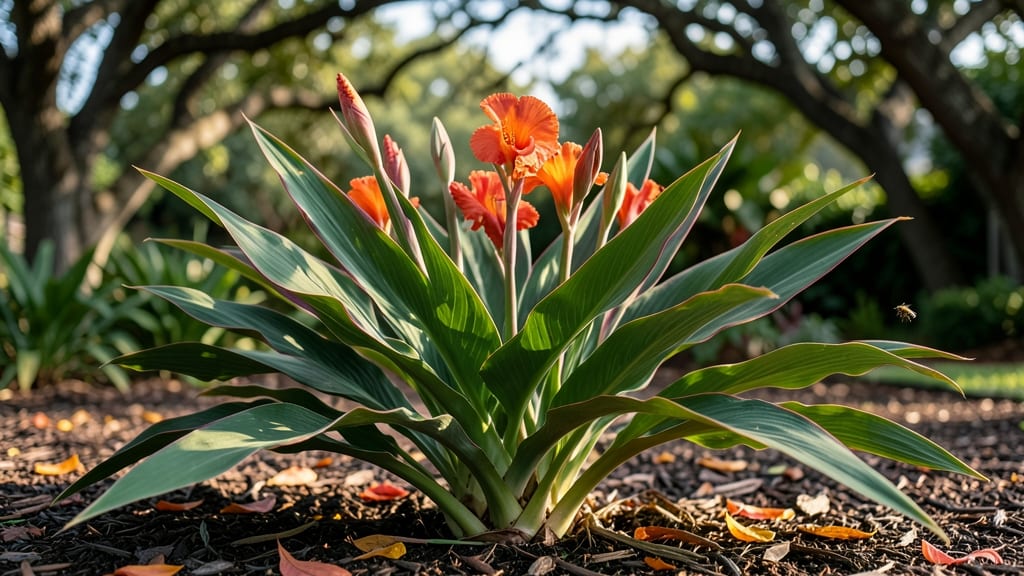
Deciding whether cannas are annual or perennial depends on your climate—these plants thrive as perennials in frost-free zones (USDA 8-11) but are often treated as annuals in colder regions where freezing temperatures kill their above-ground growth. Their hardy rhizomes store energy for regrowth each spring.
Cannas aren't one-size-fits-all when it comes to their lifespan. In warmer climates, their thick, knobby rhizomes act like natural storage units, storing nutrients underground to fuel dramatic spring regrowth. 🌱 This underground resilience is why they're classified as perennials in zones where winter temperatures rarely dip below freezing.
However, gardeners in colder areas face a different challenge—their top growth dies back completely in frost, forcing them to treat cannas as annuals unless they take steps to protect the rhizomes.
What makes this especially interesting is how cannas adapt. In their native tropical environments, they've evolved to handle seasonal changes without dormancy, but when transplanted to northern gardens, their survival hinges entirely on human intervention.
The key difference lies in those rhizomes: left undisturbed in mild winters, they'll burst back to life year after year, while in colder regions, they need careful overwintering to survive.
💡 In This Article
- How Canna Rhizomes Determine Their Lifespan
- When and How to Overwinter Cannas in Cold Climates
How canna rhizomes determine their lifespan
Canna rhizomes are the secret to these plants' remarkable adaptability, functioning like nature's own energy storage system. These thick, gnarled underground stems store carbohydrates, proteins, and water—similar to how potatoes store nutrients in their tubers.
In ideal conditions (USDA Zones 8-11), a single rhizome can produce multiple shoots each spring, with some varieties developing 3-5 new growth points per season. The rhizome's bark-like exterior actually protects it from rot while allowing moisture exchange, much like how cork trees survive drought conditions.
The magic happens in how these rhizomes balance growth and dormancy. In tropical climates, cannas grow continuously with minimal dormancy, while in cooler regions, they enter a natural slowdown when nights drop below 50°F.
What's fascinating is their ability to regenerate: even if 80% of the rhizome appears damaged, the remaining healthy tissue can often produce new growth. This resilience explains why cannas can bounce back from winter dieback when properly cared for—unlike many perennials that require complete root systems to survive.
For gardeners in colder zones, understanding this biology is crucial. The rhizome's ability to store nutrients means it can sustain the plant through winter if protected, but frost penetration beyond 2-3 inches of soil depth will kill it.
In Zone 7 and colder, gardeners must treat cannas as annuals unless they take active steps to preserve the rhizomes, which is why overwintering techniques become essential. The rhizome's size matters too—mature specimens can reach 6-8 inches in diameter and weigh several pounds, making them surprisingly sturdy storage organs.
What sets cannas apart from true annuals is their genetic memory. Even after being dug up and stored, these rhizomes retain the ability to regrow their original plant when replanted, maintaining the same variety characteristics.
This is why gardeners in northern climates can successfully overwinter cannas for 5-10 years with proper care, while still treating them as annuals in terms of seasonal growth patterns.
The key difference between perennial and annual behavior comes down to whether the rhizome survives the winter naturally or requires human intervention.
Consider this comparison: In Florida's Zone 10, cannas grow year-round with minimal care, while in Minnesota's Zone 4, they need the same level of protection as tender perennials like dahlias.
The rhizome's ability to store up to 30% of its weight in starches during the growing season is what makes this possible—this stored energy fuels the dramatic spring regrowth that makes cannas such rewarding plants to grow when conditions are right.
The rhizome's growth pattern also explains why cannas multiply so aggressively. Each year's growth produces new rhizome segments that can detach and form independent plants—a process called "rhizome branching." This is why canna beds often expand significantly each season in warm climates.
In colder regions, this natural propagation becomes a gardener's tool for creating new plants from stored rhizomes, making overwintering a practical way to expand your collection.