
Size
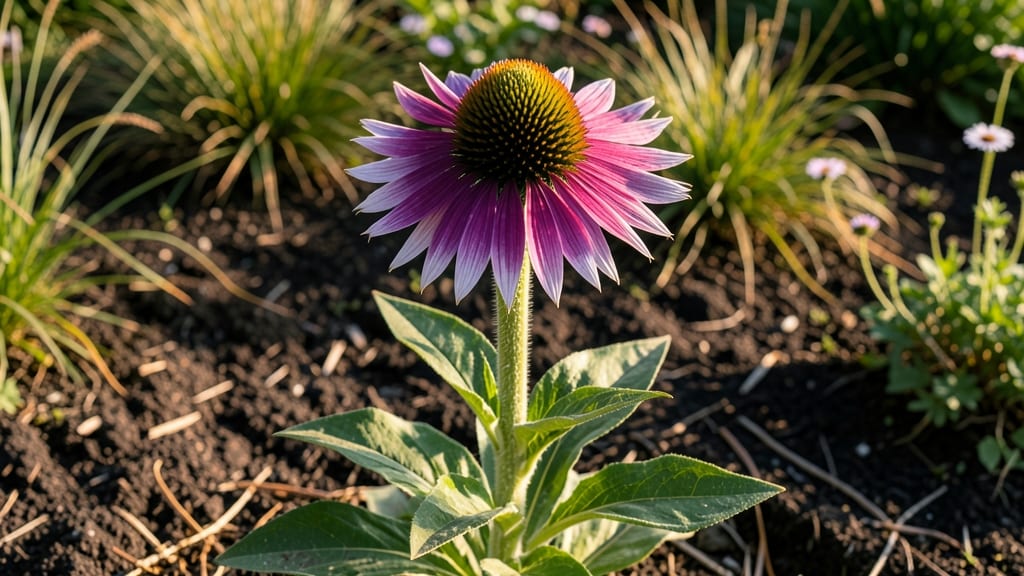
Perennial plants do grow back each year from their root systems, stems, or underground structures like rhizomes or tubers, emerging as new growth when conditions like temperature and moisture become favorable. Their ability to return depends on proper care, climate suitability, and species-specific traits.
This annual regrowth is what makes perennials so rewarding for gardeners—they establish strong root networks underground that store energy for next year's growth. 🌱 Unlike annuals that complete their life cycle in one season, perennials focus their energy on building resilient roots and stems during their first year, then use those reserves to push new shoots when spring arrives.
The key difference lies in their biological strategy: perennials prioritize long-term survival over rapid reproduction, which is why they often become the backbone of low-maintenance gardens once established.
What's fascinating is how different perennials adapt to seasonal changes. Some, like peonies, go completely dormant in winter, while others like lavender maintain evergreen foliage.
The hardiness zone where you live determines which perennials will reliably return year after year—this is why garden centers often label plants with their cold tolerance ratings. For example, a zone 5 perennial might survive winters in zone 6 but struggle in zone 4.
💡 In This Article
- How Perennial Plants Survive Winter and Regrow
- Signs Your Perennial Plants Are Dying vs. Preparing to Regrow
How perennial plants survive winter and regrow
The regrowth magic of perennials begins with their dormancy mechanisms—a survival strategy triggered by shortening daylight and dropping temperatures. During winter, these plants enter a state of suspended growth where metabolic activity slows dramatically, sometimes by up to 90%.
This isn't death; it's a carefully regulated process where the plant redirects energy to protect its most vital structures. For example, herbaceous perennials like hostas and coneflowers shut down their aboveground growth completely, while woody perennials like shrubs maintain some cellular activity in their bark layers.
The key difference lies in their root systems, which continue storing carbohydrates like starch and sugars in specialized cells, creating a natural food reserve for spring. 🌱
Underground structures play starring roles in this survival act. Rhizomes (like those in iris) and tubers (such as dahlias) act as living storage units, containing buds that remain dormant but viable throughout winter.
These structures can survive temperatures as low as -20°F in some hardy species, thanks to antifreeze proteins that prevent ice crystal formation in their cells—a mechanism similar to how some fish survive Arctic winters.
The depth of these roots matters too: shallow-rooted perennials (6 inches deep) may need winter mulch, while deep-rooted varieties (2-3 feet) like peonies can access groundwater even when surface soil freezes. This is why peonies often return reliably even in colder climates.
Seasonal adaptations go beyond just cold tolerance. Many perennials develop insulating layers—like thick, woody stems in perovskia or dense basal rosettes in lamb's ear—that protect their growing points from freezing.
The plant's hormonal shifts are equally crucial: as temperatures drop, auxin (a growth hormone) production decreases, while abscisic acid (ABA) levels rise, triggering dormancy. This hormonal balance is what allows perennials to "know" when to pause growth and when to resume it in spring.
For gardeners, this means proper fall care—like cutting back dead foliage but leaving protective mulch—can make all the difference in whether your perennials return next year.
Cold hardiness zones (USDA zones 1-11) determine which perennials will reliably regrow in your area. A zone 5 perennial like Russian sage might survive winters in zone 6 but could struggle in zone 4 without protection.
The zone rating reflects the lowest temperature a plant can withstand, but it doesn't account for other stress factors like soil moisture or wind exposure. For instance, a well-established lavender in zone 7 might handle -10°F temperatures, but a newly planted one could suffer damage at just 15°F.
This is why experienced gardeners often recommend waiting a full year before judging a perennial's hardiness in their specific microclimate.
What's often overlooked is how soil temperature triggers regrowth. Unlike air temperature, soil stays relatively insulated, and roots begin their spring awakening when ground temps reach 40-50°F. This is why you might see early shoots in sheltered garden beds before they appear in exposed areas.
The timing of this awakening varies by species—early bloomers like crocuses emerge when soil temps hit 35°F, while later perennials like black-eyed Susans wait until 55°F. This staggered emergence helps perennials spread their energy use efficiently, reducing competition for resources in the garden.
The regrowth process itself is a fascinating cascade of biological events. As temperatures rise, Gibberellins (growth hormones) flood the plant's system, breaking dormancy and stimulating cell division in the buds.
Within 2-4 weeks of warm soil, you'll typically see the first signs of new growth—often as small, furry shoots pushing through the soil. This timing can vary by 1-2 weeks depending on whether your winter was particularly harsh or mild.
For example, a zone 8 perennial like salvia might start growing in early February after a mild winter, while the same plant in zone 5 could wait until mid-April.
Understanding these mechanisms helps gardeners make smarter choices. For instance, if you're planting perennials in a new garden, choose species with shallow roots for areas with frequent freeze-thaw cycles, or opt for deep-rooted varieties** in well-drained soils.
The key takeaway? Perennials don't just "come back"—they've been patiently preparing for their return all along, using sophisticated biological strategies that make them nature's ultimate survivors. 💫