
Plants
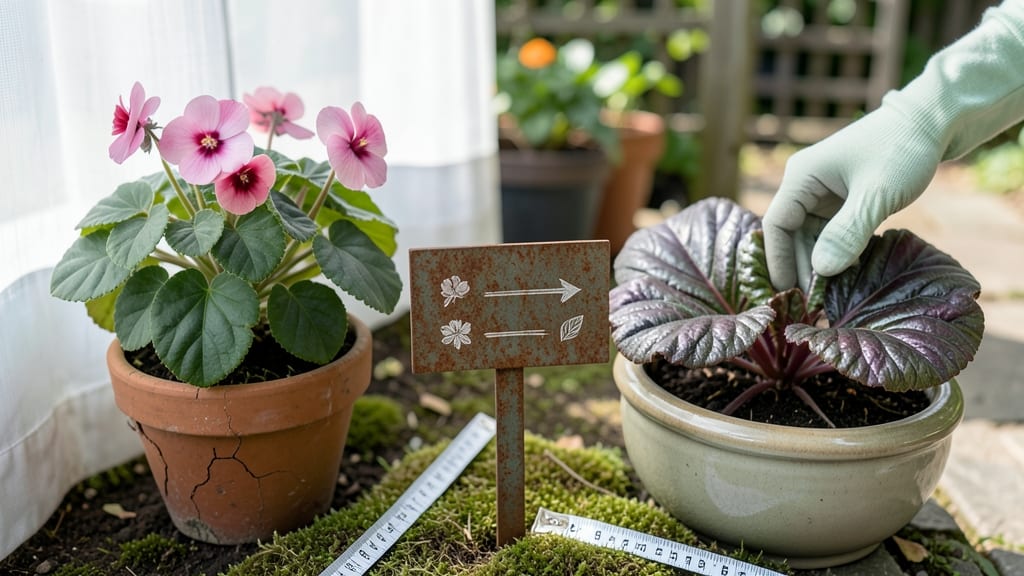
Whether the begonia plant is an annual or perennial depends on your climate: they act as annuals in cold regions below 40°F (4°C) but thrive as perennials in warm tropical or subtropical zones. Many varieties can be preserved through winter care to return year after year.
The begonia plant's behavior shifts with temperature because their native habitats are warm, humid environments where frost never occurs. 🌱 In colder climates, the plants' leaves and stems simply wither when exposed to freezing—it's not a sign of death, just dormancy.
What's fascinating is how tuberous begonias (like the popular Begonia tuberhybrida) store energy underground, allowing them to regrow when temperatures rise again with proper overwintering care.
This dual nature means you can treat them as perennials even in cold zones by bringing them indoors before the first frost. The key is understanding each variety's specific needs—some, like angel-wing begonias, are frost-sensitive houseplants year-round, while others like fibrous-rooted begonias can handle slightly cooler conditions if protected.
💡 In This Article
- Why Begonias Die in Cold Weather
- How to Overwinter Begonias in Cold Climates
Why begonias die in cold weather
Begonias originate from tropical and subtropical regions where temperatures rarely drop below 60°F (15°C), and their biology reflects this sensitivity. When exposed to 40°F (4°C) or colder, the plant's cellular structure begins to break down—ice crystals form in the leaf tissues, rupturing delicate cell walls and causing irreversible damage.
This is why even a light frost can kill foliage: the water inside the cells expands as it freezes, creating microscopic tears that disrupt nutrient flow and photosynthesis.
The root systems are particularly vulnerable. Tuberous begonias, for example, store nutrients in thickened underground tubers that can survive brief cold snaps, but prolonged exposure to 32°F (0°C) triggers rot.
Fibrous-rooted varieties lack this protective adaptation, making their roots equally susceptible to frost damage. 🌱 What's fascinating is how begonias prioritize survival: they'll sacrifice foliage first to protect the roots, which is why you often see leaves blackening while the base remains alive for weeks.
This cold sensitivity stems from begonias' evolutionary adaptation to high humidity and consistent warmth. Their native habitats—like the Brazilian Atlantic Forest or Southeast Asian rainforests—provide year-round moisture and temperatures between 70-85°F (21-29°C).
When transplanted to colder climates, begonias experience what botanists call "environmental mismatch," where their physiological processes can't adapt quickly enough to sudden temperature drops. Even hardier varieties like Begonia grandis will struggle below 50°F (10°C).
There's a crucial distinction between "annual" and "perennial" behavior in begonias. In tropical climates, they naturally regrow from tubers or rhizomes each season, making them perennials. But in colder zones, this cycle is interrupted because the plants can't survive winter exposure.
This is why gardeners in USDA Zones 7-10 can grow begonias outdoors year-round, while those in Zones 3-6 must treat them as annuals unless they take protective measures.
The most dramatic example of this adaptation is the tuberous begonia, which enters a dormant state when days shorten and temperatures drop. These plants actually "shut down" metabolically, halting growth until warm conditions return.
This dormancy explains why you can dig up tubers in fall, store them dry, and replant them the following spring—they're not dead, just in survival mode. 💫
For gardeners in marginal climates (like Zone 7), the solution often lies in microclimates. Planting begonias against south-facing walls or in containers that can be moved indoors before frost creates a buffer zone.
The key measurement here is 100+ frost-free days—begonias need at least this long growing season to mature fully, which is why they thrive in summer gardens but struggle as permanent landscape plants in colder regions.