
Plants
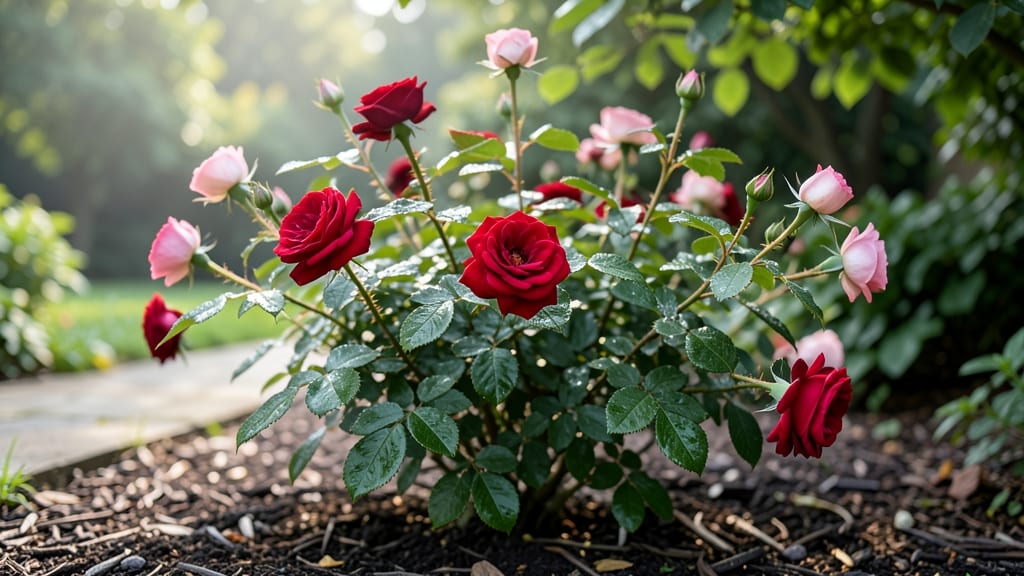
Whether roses are perennials depends on your climate—while they die back to the ground each winter in colder regions, their roots survive to regrow in spring. In warmer zones, they behave like true perennials, but cold areas often need winter protection or replanting annually.
Roses are classified as woody perennials because their roots and canes persist through winter, even if above-ground growth dies back. 🌹 The key difference lies in how they handle cold: in USDA zones 7-10, they thrive year-round, while in colder zones (3-6), they enter dormancy to survive freezing temperatures.
This explains why some gardeners replant roses annually in harsh winters—it's not because the plant itself dies, but because the cold forces a full regrowth cycle each spring.
What many people don't realize is that this dormancy period actually strengthens the plant. When roses go dormant, they store energy in their roots, which fuels more vigorous growth in spring. However, this natural process requires proper care—like mulching and winter pruning—to protect the roots from extreme cold.
The hardiness of different rose varieties also plays a role: some, like rugosa roses, handle cold better than delicate hybrid teas.
💡 In This Article
- Why Roses Die Back in Winter and How It Affects Their Lifespan
- Tips to Extend Rose Lifespan in Cold Climates
Why roses die back in winter and how it affects their lifespan
Roses enter dormancy as a survival mechanism when temperatures drop below 32°F—this isn't death, but a carefully regulated shutdown.
The plant's cells produce antifreeze proteins that prevent ice crystals from forming in their tissues, while sugars in the roots act as natural antifreeze. 🌱 In USDA zones 7-10, these adaptations allow roses to remain evergreen or semi-evergreen year-round, behaving like true perennials.
But in colder zones (3-6), the above-ground growth must die back completely to conserve energy.
The root system is the secret to a rose's longevity—even when canes blacken and appear dead, roots can survive 10-15 years underground if protected. Hybrid teas and grandifloras often struggle in zone 5 winters, while rugosa roses (native to colder climates) thrive with 90% less winter dieback.
The difference comes down to their genetic hardiness: some varieties store 30-40% more carbohydrates in their roots during dormancy, giving them extra energy reserves for spring regrowth.
This annual dieback cycle actually benefits the plant—it's nature's way of rejuvenating roses. When temperatures rise in spring, the roots send out new shoots from 2-3 inches below ground, producing fresher, more vigorous growth than the previous year.
However, if winter protection is inadequate, the roots can weaken, leading to poor regrowth or even death after 3-5 years of repeated stress.
Climate plays a crucial role in how roses behave: in zone 8, roses may only lose leaves but keep their canes, while in zone 4, they'll look completely dead until spring.
The transition zone (5-7) is particularly tricky—roses may survive winters but struggle with inconsistent temperatures, leading to erratic growth patterns. This explains why gardeners in these areas often see roses that appear to "come back to life" after a harsh winter.
What's fascinating is how roses time their dormancy—some varieties detect day length changes as early as September, while others wait until the first frost. This biological clock ensures they're ready for winter before temperatures drop.
The hardiest roses can even handle -20°F temperatures, though their growth may be stunted until warmer conditions return in spring.
Understanding this process helps explain why roses in containers often die in cold climates—their roots have half the insulation of in-ground plants.
The same goes for newly planted roses: their root systems aren't yet established enough to survive extreme winters, which is why gardeners recommend waiting 1-2 years before expecting full winter hardiness in younger plants.