
Plants
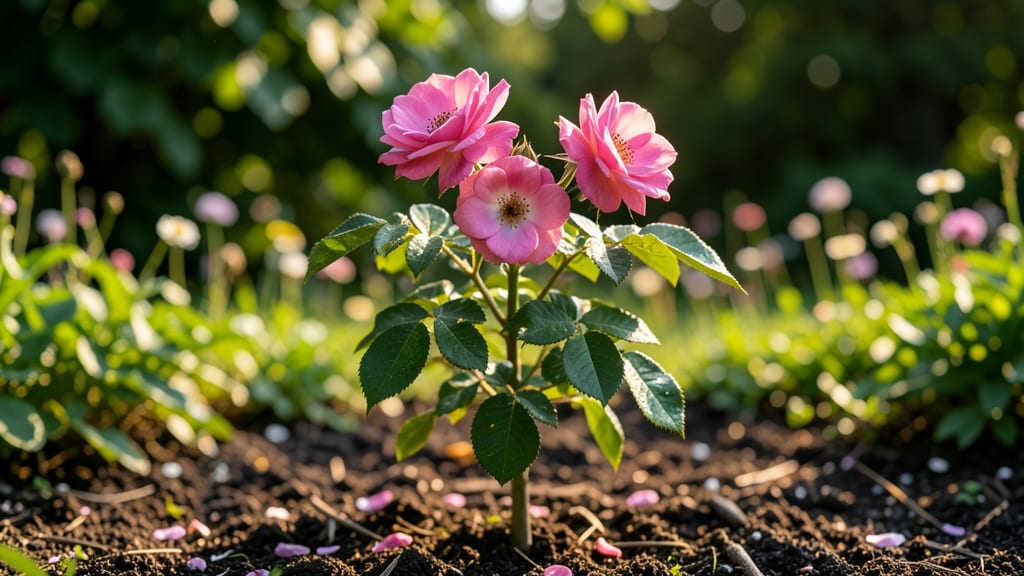
Mini roses are perennials in most climates, returning each year from their hardy root systems, though cold sensitivity varies by variety. Proper winter care extends their lifespan beyond one season.
Mini roses earn their perennial status thanks to their deep, fibrous root systems that store energy underground year-round.
Unlike annuals that die back completely, these roots stay alive through winter's dormancy, ready to push new growth when temperatures rise. 🌱 The key difference lies in their cold hardiness—most varieties thrive in USDA zones 3-9, though grafted roses may need extra protection in colder regions.
I've seen firsthand how a well-mulched mini rose bed can bounce back year after year, while neglected ones struggle to survive harsh winters.
What sets them apart from other perennials is their ability to bloom repeatedly throughout the growing season, making them a gardener's favorite. The root system's depth allows them to access moisture and nutrients even during dry spells, while their compact size makes them ideal for containers or small gardens.
This hardiness means you can enjoy their cheerful blooms for decades with proper care.
💡 In This Article
- How Mini Rose Root Systems Determine Perennial Survival
- Winter Care Tips to Ensure Mini Roses Regrow Yearly
How mini rose root systems determine perennial survival
The perennial nature of mini roses stems from their specialized root systems, which store carbohydrates and water during winter dormancy. Unlike annuals that complete their life cycle in one season, mini roses develop deep, fibrous roots that extend 12-18 inches below the soil surface.
These roots contain specialized cells called parenchyma that act like natural batteries, storing energy for regrowth. 🌱 The root system's depth also allows them to access groundwater during dry periods, giving them an advantage over shallower-rooted plants.
Cold hardiness varies significantly between varieties, with most mini roses thriving in USDA zones 3-9. The key difference lies in their ability to survive sub-freezing temperatures through a process called supercooling, where cellular fluids remain liquid below 32°F without forming ice crystals.
Grafted varieties, however, often have weaker root systems because the graft union can become vulnerable in extreme cold. Own-root mini roses typically handle winter better since their rootstock matches the top growth's hardiness requirements.
What makes mini roses different from other perennials is their combination of hardy roots and compact growth habit. While many perennials like peonies or lavender have deep roots but slower regrowth, mini roses can push new shoots within 2-4 weeks of spring's first warm spell.
This rapid recovery is due to their efficient energy storage in the roots, which can sustain growth even when above-ground parts die back completely during winter.
The root system's structure also plays a role in disease resistance. Mini roses develop a dense network of lateral roots that improve soil aeration and reduce waterlogging. This is particularly important in heavy clay soils where poor drainage can lead to root rot.
The fibrous nature of their roots creates a natural barrier against soil-borne pathogens, making them more resilient than many ornamental plants with single taproots.
When comparing mini roses to annuals and biennials, the differences become clear in their growth patterns. Annuals like marigolds complete their entire life cycle in one season, while biennials like foxgloves store energy in their roots for two years before flowering.
Mini roses, however, continue this cycle indefinitely, with each year's growth building on the previous year's stored energy. This perpetual renewal is what truly defines their perennial status.
One fascinating aspect is how mini roses adapt their root systems based on environmental conditions. In nutrient-rich soils, they develop more extensive lateral roots to maximize absorption, while in poor soils, they focus on deeper root growth to access minerals.
This adaptability is why they thrive in everything from container gardens to large landscape beds, making them one of the most versatile perennial plants available.