
Orchid Care
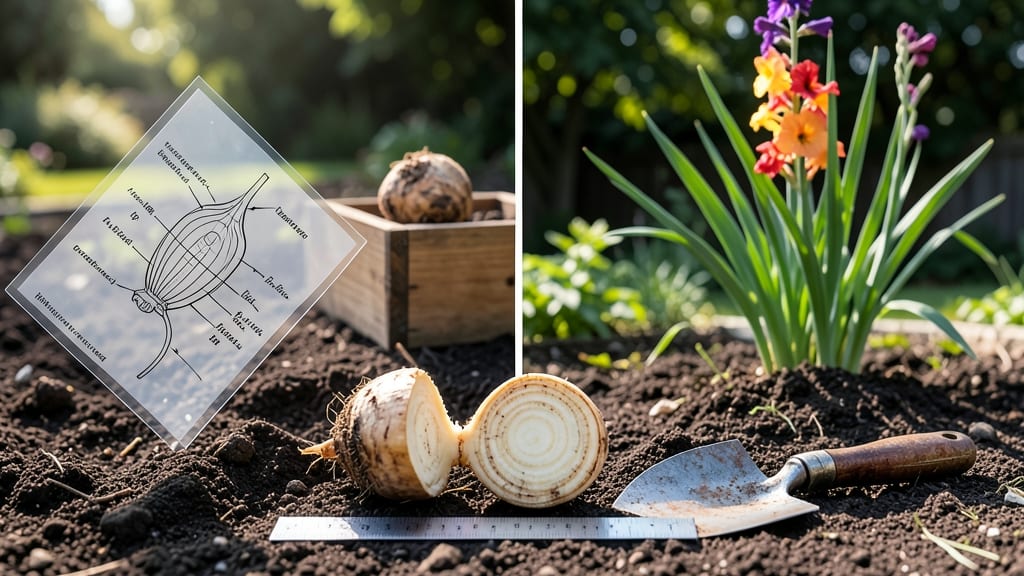
Gladiolus bulbs are not true perennials in most climates, as they die back to the ground each winter and require annual digging in colder zones (below USDA Zone 8). However, in warmer regions, they may persist for multiple seasons with proper care.
Gladiolus bulbs behave more like tender perennials because their corms (the bulb-like storage organs) lack the cold resistance of true perennials. In colder zones, frost can easily damage or kill them, which is why gardeners in USDA Zones 3-7 must dig them up each fall. 🌱 The good news?
With the right storage—like keeping them in a cool, dry place with peat moss—you can replant them the following spring and enjoy their dramatic blooms again. This annual cycle makes them feel like perennials in practice, even if they're not classified that way botanically.
In warmer areas like Zones 8-10, gladiolus bulbs often survive winter naturally, acting like true perennials. The key difference lies in the climate: where frost is rare, they can remain in the ground year-round.
This is why many gardeners in milder regions treat them as low-maintenance perennials, while those in colder areas must put in extra effort to protect them.
💡 In This Article
- Why Gladiolus Bulbs Act Like Tender Perennials
- How to Overwinter Gladiolus Bulbs in Cold Climates
Why gladiolus bulbs act like tender perennials
Gladiolus bulbs, or more accurately their corms, are classified as tender perennials because they lack the cold-hardiness of true perennials like peonies or daylilies. Their corms contain minimal stored energy compared to hardy perennials, making them vulnerable to frost damage.
When temperatures drop below 20°F, the corms' cells rupture from ice crystal formation, leading to irreversible damage. This is why gardeners in USDA Zones 3-7 must treat them as annuals unless they take special precautions.
The key difference lies in their growth cycle. True perennials like hostas develop deep root systems and thick rhizomes that insulate them against winter cold. Gladiolus, however, rely on their corms for survival—structures that are more like storage organs than protective root systems.
In Zones 8-10, where winters rarely drop below 10°F, these corms can survive underground, mimicking perennial behavior. The soil acts as natural insulation, keeping temperatures above the critical 20°F threshold.
Here's what happens when frost hits: The corm's outer layers dry out and crack, exposing the inner tissue to moisture loss and fungal invasion. Even a single hard freeze can reduce next year's blooms by 50-70%, as the damaged corms struggle to regenerate.
This fragility explains why gladiolus thrive as summer favorites—they bloom spectacularly but can't endure winter's harshness without human intervention. 🌱
Botanically, gladiolus belong to the iris family, which includes both hardy and tender species. Their cousins like crocus and iris have evolved thicker, more insulated rhizomes, while gladiolus prioritize rapid above-ground growth over winter survival.
This trade-off gives them their dramatic 6-foot spikes but makes them climate-dependent. In warmer regions, they behave like perennials because the environment naturally protects them.
Consider this comparison: In Zone 9, a gladiolus corm might survive 3-4 winters in the ground with proper mulching, while in Zone 5, it would die without digging.
The 30°F temperature difference between these zones creates this dramatic survival gap. This is why gardeners in colder areas must treat them as seasonal plants, despite their perennial-like growth habits.
The solution lies in understanding their biological limitations. Gladiolus evolved in Mediterranean and subtropical climates where frost is rare. Their survival strategy involves rapid growth during warm months rather than winter resilience. This adaptation explains why they flourish in summer gardens but require special care in colder regions. 💫