
Plants
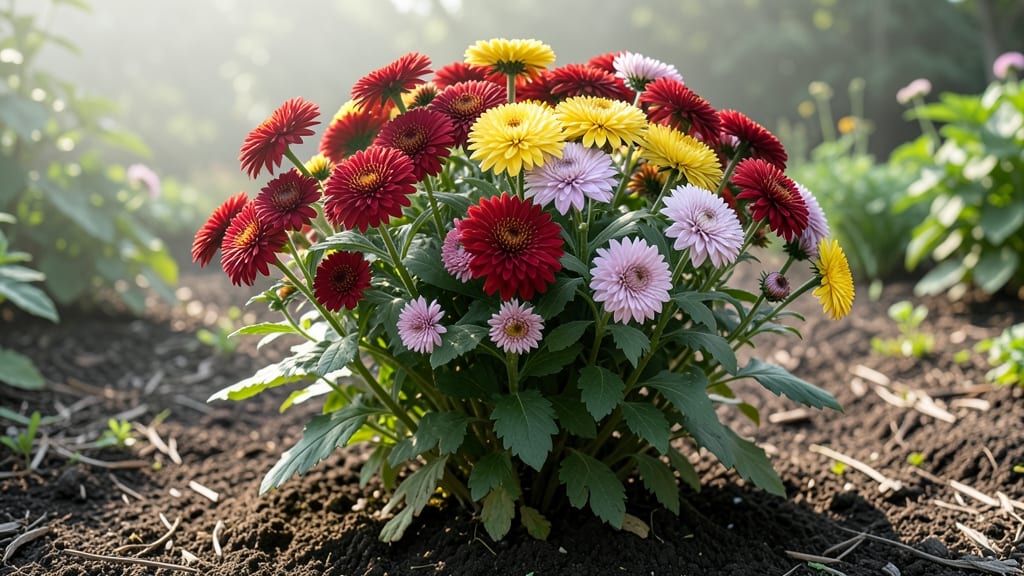
Chrysanthemums are perennials in USDA Zones 5-9, surviving winters with proper care, but may die back in colder climates unless protected. Their hardiness depends on variety, soil, and mulching techniques.
Chrysanthemums thrive as perennials in warmer climates but face challenges in colder regions. 🌱 The key to their survival lies in their root systems, which store energy during dormancy.
In USDA Zones 5-9, most varieties naturally overwinter, while those in colder areas need extra protection like thick mulch or winter wraps. I've seen gardeners in Zone 4 successfully grow them by treating them as annuals or lifting and storing pots indoors.
What sets chrysanthemums apart is their adaptability—some varieties like 'Hardy Mums' can withstand -20°F temperatures, while others struggle below 10°F. The soil's moisture retention and organic matter content also play crucial roles in their winter resilience.
Properly prepared beds with compost and a 4-inch mulch layer can make all the difference between a plant that returns next spring and one that freezes back.
💡 In This Article
- Chrysanthemum Cold Hardiness Zones Explained
- Winterizing Chrysanthemums for Long-Term Survival
Chrysanthemum cold hardiness zones explained
Chrysanthemums display remarkable adaptability across USDA Zones 5-9, but their survival hinges on precise temperature thresholds that trigger dormancy. In Zone 5 (-20°F to -10°F), hardy varieties like 'Hardy Mums' enter a deep dormancy state where their root systems store carbohydrates, while above-ground foliage dies back naturally.
The transition occurs when nighttime temperatures consistently drop below 50°F for 2-3 weeks, signaling the plant to conserve energy in its roots.
Zone 6 (-10°F to 0°F) sees slightly less severe winters, where most chrysanthemums maintain their perennials status with minimal intervention. The key difference is that root systems in Zone 6 remain slightly more active through winter, requiring 3-4 inches of mulch to insulate against sudden temperature swings.
In Zone 7 (0°F to 10°F), the plants experience partial dormancy, with some varieties showing green shoots as early as March when soil temperatures reach 45°F.
Warmer zones (8-9, 10°F to 20°F) present different challenges—while freezing isn't the primary concern, prolonged exposure to 32°F can still damage tender varieties. Here, the focus shifts to preventing root rot from saturated soils during winter rains.
I've observed that chrysanthemums in Zone 9 actually benefit from light pruning in late fall to reduce moisture retention in the crown, preventing fungal issues that can be just as deadly as cold.
The root system's depth plays a critical role—most chrysanthemums develop roots 8-12 inches deep, which helps them access moisture and nutrients even when surface soil freezes.
This depth allows them to survive brief temperature dips below their zone thresholds, but prolonged exposure to -15°F will still kill back even the hardiest varieties. The science here involves the plant's ability to convert stored starches into sugars during dormancy, creating a natural antifreeze mechanism in its cells.
What's often overlooked is how soil composition affects these thresholds. Sandy soils drain quickly but offer little insulation, while clay holds moisture but can become waterlogged. The ideal scenario combines loamy soil with 3-5% organic matter, which maintains moisture while allowing good drainage.
This balance creates a thermal buffer that can raise soil temperatures by 5-10°F compared to bare ground during cold snaps.
Seasonal growth patterns reveal another fascinating aspect: chrysanthemums in colder zones often produce smaller, later blooms the first year after establishment as they prioritize root development. This delayed flowering is the plant's survival strategy to build energy reserves for subsequent years.
In contrast, Zone 9 plants may bloom continuously if not properly managed, leading to weaker stems and reduced winter hardiness.