
Flowers
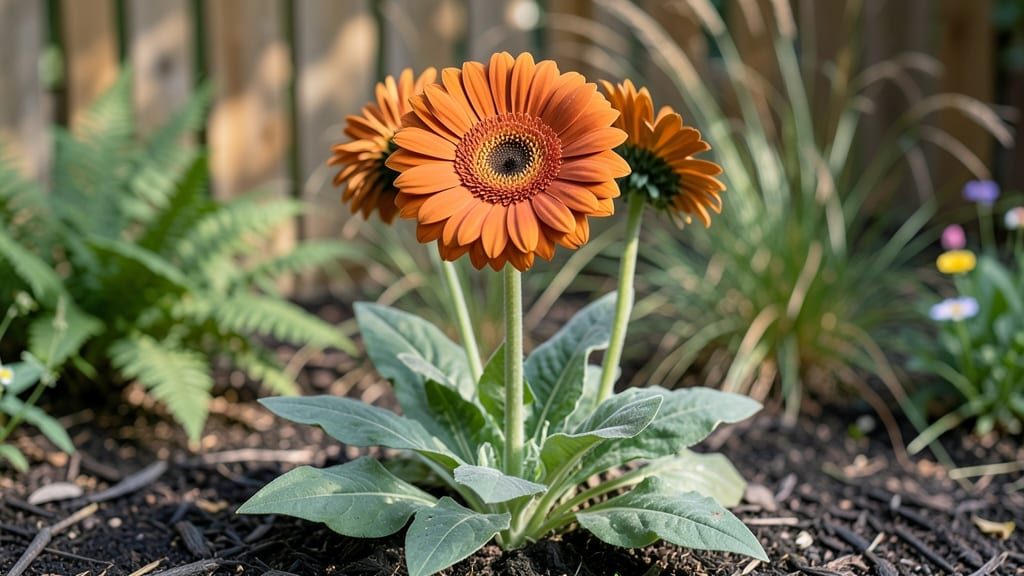
Gerbera daisies are not true perennials in most cold climates—their fleshy roots freeze in winter, though some varieties survive mild winters with protection. In warmer zones (USDA 8-11), they may rebloom yearly if roots stay intact, but they’re often treated as annuals or tender perennials elsewhere.
Gerbera daisies behave more like tender perennials than true hardy ones because their thick, fleshy roots store water but lack the protective insulation of woody stems. 🌱 In colder regions (USDA 7 and below), even a light frost can rupture these roots, killing the plant.
The good news? Some heat-tolerant varieties—like 'Honey' or 'Pavot' series—can survive winters in protected microclimates or containers moved indoors. Think of them as high-maintenance annuals that reward you with vibrant blooms if you give them the right conditions.
What sets gerberas apart from classic perennials (like hostas or peonies) is their tropical origin. They evolved in South Africa's warm climates, where freezing temperatures never occur naturally. That's why gardeners in cooler zones often treat them as seasonal plants, replanting fresh tubers each spring.
The key to extending their lifespan? Proper overwintering techniques—whether digging up roots or providing heavy mulch—can sometimes coax them back for another season.
💡 In This Article
- Why Gerbera Daisies Die in Cold Weather
- How to Overwinter Gerbera Daisies in Cold Climates
Why gerbera daisies die in cold weather
The fleshy roots of gerbera daisies store water like succulents, but this adaptation backfires in cold climates. These roots contain high moisture content (70-80%), which expands when frozen, causing cellular rupture.
Unlike hardy perennials with woody stems (like coneflowers), gerbera roots lack protective bark layers to insulate against 32°F or lower temperatures. 🌡️ A single frost can turn their roots into icy mush within hours, killing the entire plant.
Gerbera daisies also lack true dormancy mechanisms. Hardy perennials enter a metabolic slowdown during winter, but gerberas remain metabolically active until temperatures drop. Their tropical origins mean they've never evolved to withstand freezing—even light frosts (28-32°F) can trigger irreversible damage.
Compare this to daylilies, which survive -20°F winters by converting starches to sugars that act as antifreeze in their tissues.
The real culprit is their lack of cold-hardiness genes. Most perennials produce proteins that stabilize cell membranes during freezing, but gerberas don't. Their roots contain minimal lignin (a structural polymer)**—only about 5% compared to 20% in hardy perennials—making them structurally weak against ice crystal formation.
This is why even mulched gerberas often fail in zones colder than USDA 8.
Visual clues can help diagnose cold damage: brown, mushy roots instead of firm white tubers, and stems that snap like dry twigs. The plant may still look green above ground while its roots are already dead below.
This delayed symptom appearance is why many gardeners assume their gerberas are winter-hardy until it's too late. 🌱
What makes this worse is their slow regrowth habit. Even if roots survive mild winters, gerberas take 6-8 weeks to regenerate shoots in spring—longer than most perennials. This gives them less time to recover from winter stress before summer heat arrives.
Their ideal growing range (65-75°F) makes them particularly vulnerable to both cold snaps and late frosts.
For comparison, consider coneflowers: their fibrous roots contain air pockets that act as insulation, and their stems produce protective hairs. Gerberas have neither adaptation, making them about as cold-tolerant as impatiens—another tropical plant that dies with the first frost.
The key difference? Impatiens grow from seeds each year, while gerberas rely on their fragile roots to survive.