
Vegetables
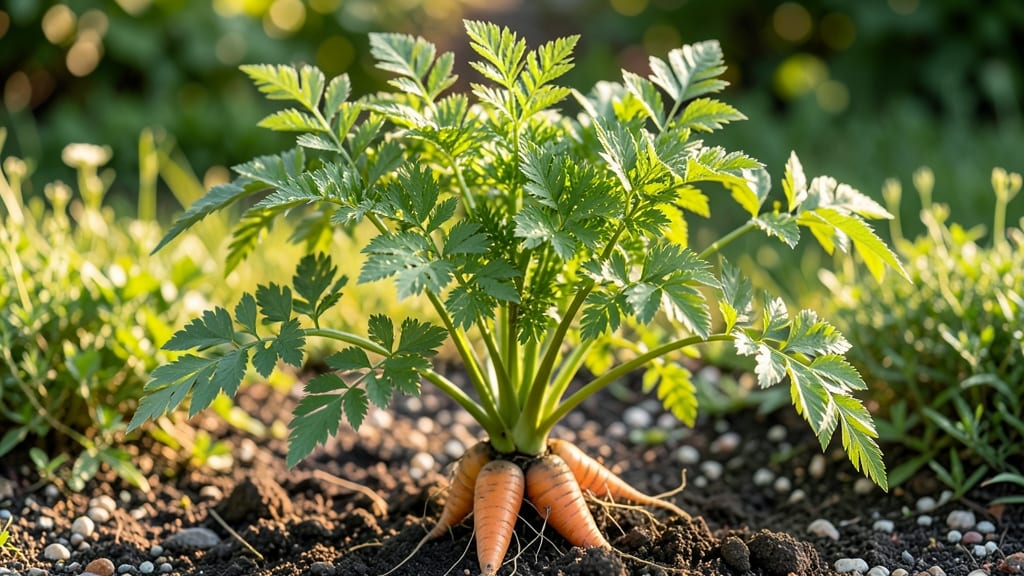
Carrots are not perennials—they follow a two-year biennial cycle, developing edible roots in their first growing season before flowering and producing seeds in their second year. This unique growth pattern means they rarely return year after year in most home gardens.
Carrots behave like annuals in practice because their taproot system matures quickly, making them vulnerable to frost or environmental stress by their second year. 🌱 In temperate climates, gardeners typically harvest and replant them annually rather than waiting for their natural biennial cycle to complete.
The key difference lies in their root development—perennials like asparagus regrow from the same crown, while carrots put all their energy into that first edible root before transitioning to seed production.
This biennial nature explains why you'll rarely find carrots surviving through multiple winters—they prioritize reproduction over longevity. For gardeners, this means planning harvests within the first year to enjoy their sweetest flavor and crispest texture before the plant shifts its focus to flowering.
💡 In This Article
- Why Carrots Are Biennials, Not Perennials
- Growing Carrots as Annuals: Practical Tips for Harvesting Success
Why carrots are biennials, not perennials
Carrots belong to the biennial category because their life cycle unfolds over two distinct seasons. In their first year, they focus entirely on developing that familiar orange taproot we harvest, storing energy in the form of sugars and starches.
This root system can grow up to 12 inches long under ideal conditions, with the top 1 inch being the most tender and flavorful portion. The key botanical trigger comes when daylight shortens in autumn—this signals the plant to shift from vegetative growth to reproductive mode.
The transition happens through a process called vernalization, where exposure to cold temperatures (typically 40-50°F for several weeks) breaks dormancy in the plant's meristem cells. Once vernalized, the carrot plant will bolt—sending up a 3-4 foot tall flowering stem in its second year.
This flowering phase produces tiny white flowers that develop into seeds, completing the biennial cycle. The trade-off? All that stored energy in the root gets redirected to reproduction, leaving little behind for regrowth.
Climate plays a crucial role in why carrots rarely behave as perennials in home gardens. In temperate zones, winter frosts often kill the plant before it can complete its second-year flowering.
Even in milder climates, the energy demands of producing flowers and seeds are so high that the root system collapses after seed production. This is why gardeners in USDA Zones 3-8 typically treat carrots as annuals—harvesting before the plant has a chance to bolt.
There's a fascinating exception with wild carrots (like Queen Anne's lace) that can self-seed prolifically, but cultivated varieties have been bred specifically for their first-year root development.
The domesticated carrot we know today has undergone thousands of years of selective breeding to maximize root size and sweetness, making the biennial cycle less relevant for most gardeners. The result? A plant that prioritizes immediate harvest over long-term survival.
Here's what this means for flavor and texture: First-year carrots develop their signature sweetness through photosynthesis, with sugar content peaking in late fall when days grow shorter. After vernalization, the starches convert to sugars again before flowering, but by then the root has become woody and less desirable.
This is why timing your harvest matters—wait too long, and you'll get a bitter, fibrous carrot instead of the crisp, sweet root you're after.
For comparison, true perennials like asparagus or rhubarb regrow from the same crown year after year. Carrots lack this ability because their energy goes entirely into that first taproot.
The biennial cycle is essentially a survival strategy—prioritizing reproduction over longevity, which explains why they rarely return in subsequent years unless you're growing them in a controlled environment with perfect conditions.