
Vegetables
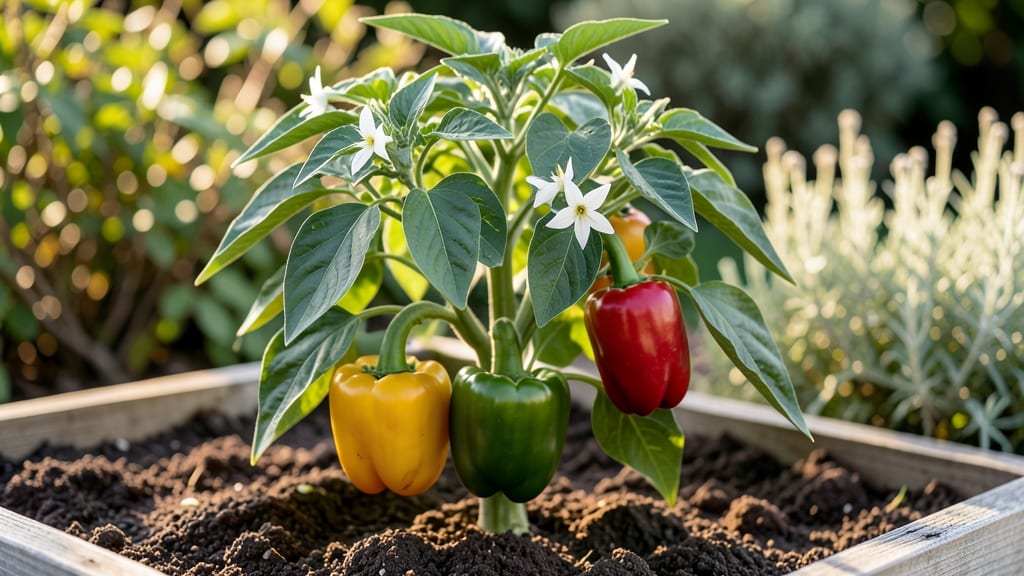
Bell peppers aren't perennial in most climates, meaning they'll die back after harvest when temperatures drop unless you protect them indoors or in heated greenhouses. Only in USDA zones 9-11 can they survive winter outdoors, while colder regions require replanting each spring—though some gardeners can coax regrowth from roots with careful overwintering.
Unlike hardy vegetables that return year after year, bell peppers are tropical plants that can't tolerate freezing temperatures. 🌱 The moment nighttime temps dip below 50°F, their growth slows dramatically, and frost will kill them outright.
In warmer zones like Florida or Southern California, they might persist through mild winters, but most gardeners in zones 8 or colder treat them as annuals.
What's fascinating is how some gardeners in marginal zones successfully overwinter them by digging up plants, trimming roots, and keeping them in pots near sunny windows—this can extend their life by a year or two with proper care.
The key difference lies in their tropical origins: bell peppers evolved in Central and South America where winters don't exist.
Their root systems are shallow and sensitive to cold, which is why they struggle to survive winter outdoors in most of the U.S. Even in ideal conditions, they'll only produce for one season unless you take active steps to protect them during dormancy.
This is why you'll see gardeners in colder climates treating bell peppers like annuals while still experimenting with overwintering techniques.
💡 In This Article
- Why Bell Peppers Die in Cold Weather
- How to Overwinter Bell Peppers for Next Year
Why bell peppers die in cold weather
Bell peppers originate from tropical regions where temperatures rarely drop below 50°F, making them extremely sensitive to cold. Their cells contain high water content (around 90%), which freezes at 32°F—causing ice crystals to rupture delicate membranes in leaves and stems.
This "chilling injury" triggers cell death, turning foliage black within hours. Even brief exposure to 30°F or below will kill the plant entirely, as frost disrupts the plant's vascular system, preventing nutrient transport.
The root system plays a critical role in this vulnerability. Bell pepper roots are shallow (typically 6-12 inches deep) and lack the protective insulation found in hardy perennials like asparagus. When soil temperatures drop below 55°F, root activity halts, starving the plant of water and nutrients.
In USDA zones 8-11, nighttime lows can fluctuate dramatically—even a single 28°F night in zone 8 will terminate growth permanently, while zone 10 might see survival with minimal damage.
What's fascinating is how temperature thresholds vary by maturity. Young seedlings can tolerate slightly cooler soil (50-55°F) than mature plants, which need consistent warmth to maintain metabolic functions.
This is why gardeners in marginal zones (like zone 9) often see peppers survive mild winters but fail to regrow in colder patches. The plant's survival hinges on maintaining core temperatures above 40°F—below this, even dormant plants risk irreversible damage.
Another key factor is the pepper's growth cycle. Unlike perennials that enter dormancy, bell peppers continue active growth until frost. This prolonged metabolic activity depletes stored energy reserves, leaving them vulnerable when cold arrives.
In contrast, hardy perennials like rhubarb slow growth in fall, conserving energy for winter survival. This biological difference explains why bell peppers can't persist through cold winters without human intervention.
Consider this comparison: A tomato plant in zone 7 might survive light frosts with protective mulch, while a bell pepper will die—even with the same care. The science lies in their genetic adaptations: tomatoes evolved in cooler climates than peppers, developing frost tolerance mechanisms like antifreeze proteins in their cells.
Bell peppers lack these adaptations, making them true annuals in most growing zones.
For gardeners in zones 9-11, the story changes dramatically. Here, winter temperatures rarely drop below 40°F for extended periods, allowing peppers to persist. However, even in these zones, peppers won't produce fruit during winter—they simply survive as dormant plants, ready to regrow when temperatures warm.
This explains why some gardeners in Southern California report peppers returning year after year without replanting.